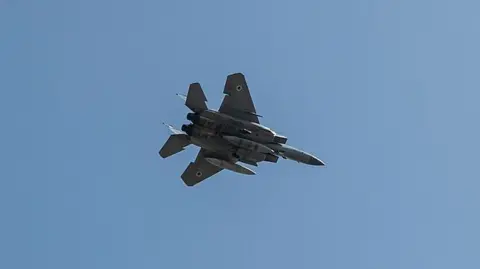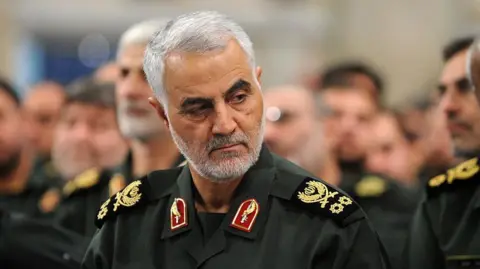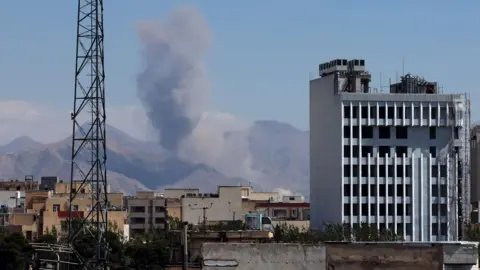
The clock is ticking on President Donald Trump's threat to wipe out much of Iran's civilian infrastructure if the country doesn't strike a deal by Tuesday evening in the US.
However, Trump has backed himself into a corner with threats that military experts assert the US military can't feasibly carry out all at once. Analysts warn that any new round of attacks is unlikely to force the Iranian regime to swiftly agree to a ceasefire.
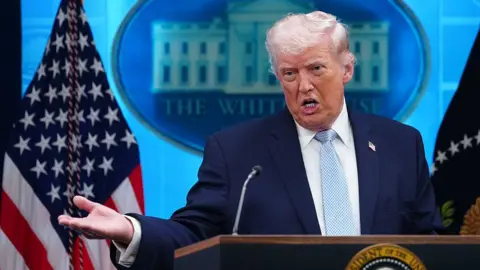
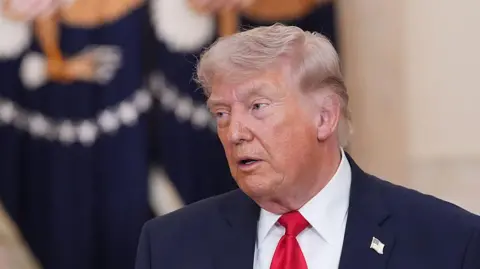
Trump vowed on Monday to destroy every bridge and power station in Iran within just four hours if a deal isn't reached by 20:00 EST (00:00 GMT Wednesday). He escalated his rhetoric further on Tuesday, warning that a whole civilization will die if Iran does not comply by his deadline.
These statements constitute an unprecedented threat from a sitting US president, with experts suggesting that targeting civilian infrastructure could amount to a war crime and potentially incite broader humanitarian crises. Yet, Trump dismissed these concerns during a press conference on Monday.
Former US defense officials and analysts point out the impracticality of destroying all critical infrastructure in a country the size of Iran within such a tight timeframe.
Iran, roughly one-third the size of the continental US, poses distinct challenges; the US may indeed know the locations of major nuclear sites but identifying and targeting thousands of potential sites simultaneously remains improbable.
Former senior officials question the strategic effectiveness of fulfilling Trump's demands, highlighting the difficulty of executing such expansive military threats.
Experts suggest that if the US chooses to act against Iran's power grid, it could create significant distraction but may not lead to desired negotiation results. Pakistan's Prime Minister Shehbaz Sharif has requested Trump to extend his deadline by two weeks to facilitate ongoing diplomatic discussions.
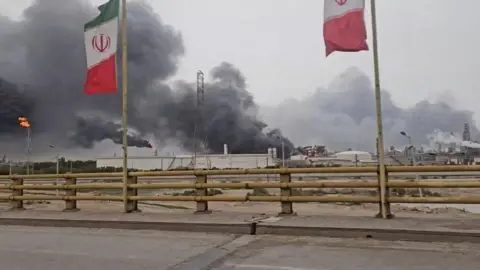
As tensions rise and military actions take place (including recent US-Israeli strikes), the dialogue between US and Iranian leaders is crucial yet complicated by lingering disagreements regarding critical issues like oil exports and nuclear capabilities. Trump bets that a humanitarian siege through attacks may push Iranian leaders to compromise, but given the pre-existing struggles in Iran’s energy sector, many predict little incentive will arise from increased blackouts.
With looming decisions and the situation unclear, the world watches closely as negotiations between the US and Iran enter a pivotal stage.
However, Trump has backed himself into a corner with threats that military experts assert the US military can't feasibly carry out all at once. Analysts warn that any new round of attacks is unlikely to force the Iranian regime to swiftly agree to a ceasefire.
Trump vowed on Monday to destroy every bridge and power station in Iran within just four hours if a deal isn't reached by 20:00 EST (00:00 GMT Wednesday). He escalated his rhetoric further on Tuesday, warning that a whole civilization will die if Iran does not comply by his deadline.
These statements constitute an unprecedented threat from a sitting US president, with experts suggesting that targeting civilian infrastructure could amount to a war crime and potentially incite broader humanitarian crises. Yet, Trump dismissed these concerns during a press conference on Monday.
Former US defense officials and analysts point out the impracticality of destroying all critical infrastructure in a country the size of Iran within such a tight timeframe.
Iran, roughly one-third the size of the continental US, poses distinct challenges; the US may indeed know the locations of major nuclear sites but identifying and targeting thousands of potential sites simultaneously remains improbable.
Former senior officials question the strategic effectiveness of fulfilling Trump's demands, highlighting the difficulty of executing such expansive military threats.
Experts suggest that if the US chooses to act against Iran's power grid, it could create significant distraction but may not lead to desired negotiation results. Pakistan's Prime Minister Shehbaz Sharif has requested Trump to extend his deadline by two weeks to facilitate ongoing diplomatic discussions.
As tensions rise and military actions take place (including recent US-Israeli strikes), the dialogue between US and Iranian leaders is crucial yet complicated by lingering disagreements regarding critical issues like oil exports and nuclear capabilities. Trump bets that a humanitarian siege through attacks may push Iranian leaders to compromise, but given the pre-existing struggles in Iran’s energy sector, many predict little incentive will arise from increased blackouts.
With looming decisions and the situation unclear, the world watches closely as negotiations between the US and Iran enter a pivotal stage.