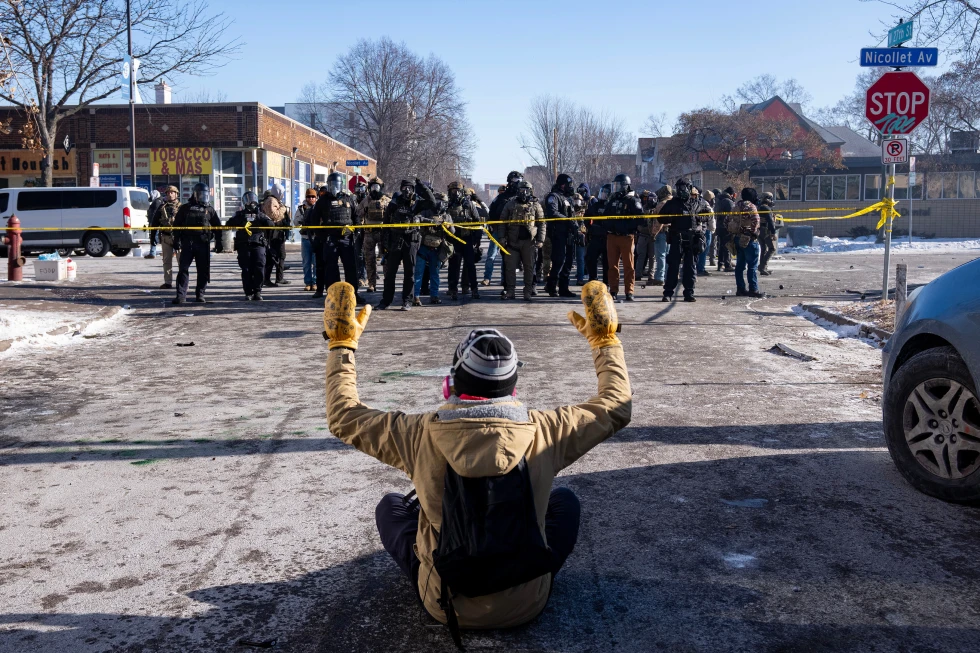
As unrest continues to grip Minneapolis, the Minnesota Star Tribune has risen to the occasion, bolstered by its commitment to local journalism and the community it serves.
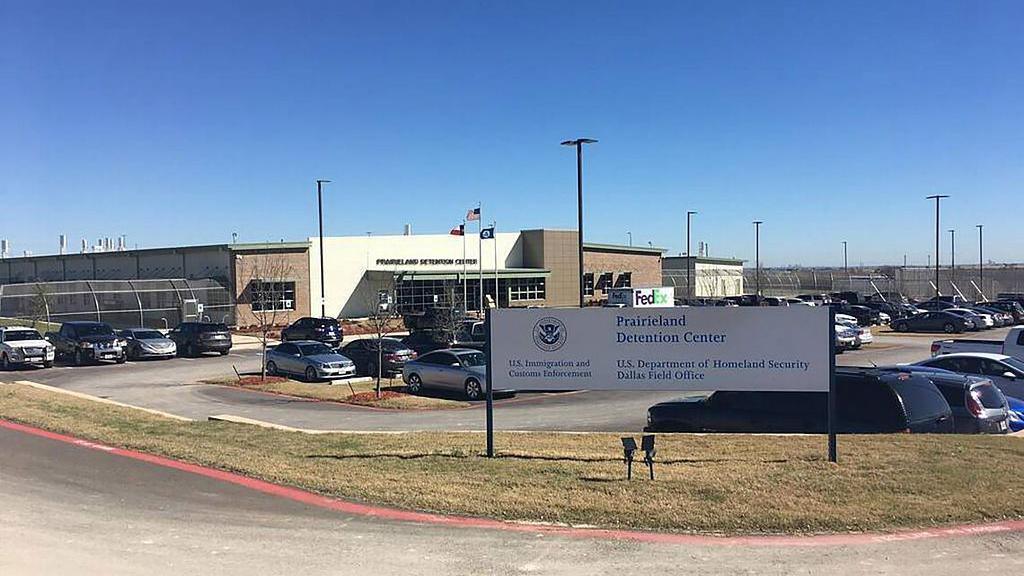
Over the past month, the outlet has broken critical stories, including the identity of an immigration enforcement officer involved in a controversial shooting and the impacts of various law enforcement actions. This level of reporting has become vital as local journalists have navigated an increasingly complex news landscape.
The Star Tribune stands out during a time when regional newspapers face significant challenges, having evolved under the ownership of billionaire Glen Taylor, who purchased the publication in 2014. The publication has not only maintained its staffing levels but has embraced digital transformation, allowing it to respond adeptly to local events.
Publisher and CEO Steve Grove emphasized that extensive investment in the newsroom has enabled the Star Tribune to react swiftly, stating, 'If you hadn’t invested in the newsroom, you wouldn’t be able to react in that way.'
A Thriving Ecosystem of Local Journalism
Minneapolis boasts a rich journalism tradition, with organizations like the Sahan Journal focusing on immigrant and diverse communities, enriching the overall media landscape. Editorial leadership acknowledges that the combination of strong local teams and national outlets has been beneficial for comprehensive reporting.
Star Tribune journalists, many of whom have deep ties to the community, leverage their local knowledge to report effectively on significant incidents. This familiarity aids in covering events such as the tragic shooting of ICU nurse Alex Pretti.
After learning about ICE operations targeting children’s areas from community connections, the Star Tribune has provided insightful reports, demonstrating the distinct advantages of local knowledge.
Impactful Reporting in Times of Crisis
The Star Tribune’s reporting has not shied away from difficult themes, providing critical insights into the experiences of vulnerable residents in the Twin Cities. Indeed, stories revealing the realities of immigrant communities and the impact of law enforcement tactics resonate deeply in a city fraught with tension.
In a collaborative endeavor, journalists delved into immigrant roundups across Minnesota, uncovering the complexities and backgrounds of those affected. Columnist Laura Yuen poignantly expressed the heightened anxiety felt by citizens, illustrating how personal documents that signify belonging have transformed in the current political climate.
As the newsroom shifted to cover ongoing protests and community responses, the Star Tribune increased its digital output, fostering a greater connection with its audience. The rise in website traffic and subscriptions signals a revitalized interest in local news.
Adapting to New Realities
The transition towards a digital-first approach highlights the Star Tribune's commitment to staying relevant in a changing media landscape. Grove, a former Google executive, has overseen significant staff transitions, reinforcing the new model while acknowledging the broader challenges facing local journalism nationwide.
As journalists continue to navigate a demanding news cycle, there is a palpable sense of exhaustion shared among reporters and community members alike. They strive to maintain a level of grace amidst this turmoil, capturing the struggles and stories that define their city.