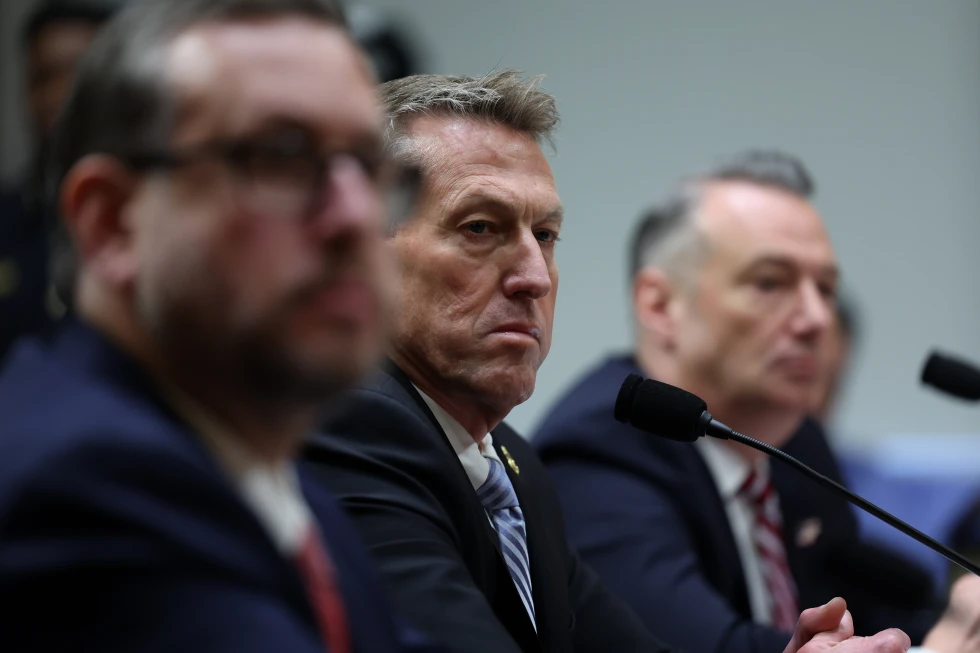
In a recent Senate hearing in Washington, Senator Rand Paul raised critical questions regarding the conduct of federal immigration officers following the controversial shooting death of ICU nurse Alex Pretti. The hearing, focused on the actions of Immigration and Customs Enforcement (ICE) and Customs and Border Protection (CBP), highlighted a significant disconnect between public sentiment and government enforcement strategies.
Paul's intense scrutiny was apparent as he presented a moment-by-moment analysis of the shooting incident, arguing that Pretti posed no threat to officers and expressed disbelief over the escalation leading to his death. He is retreating at every moment...and he's being sprayed in the face, Paul remarked, pointing to the aggressive tactics employed by federal officers.
Joining Paul in questioning the tactics were Democrat senators who condemned not only the shooting of Pretti but also broader force usage by immigration officers. In contrast, other Republican senators tended to avoid criticizing the officers, focusing instead on the dangers and challenges faced by immigration enforcement personnel.
The officials present at the hearing included Todd Lyons, acting director of ICE, and Rodney Scott, head of CBP. Lyons defended the agency's actions, noting that in the past year, several investigations of excessive force by ICE had occurred. However, the responses from congressional members reflect a growing concern over public trust in immigration enforcement, which Paul underscored must be rebuilt through transparency and accountability in agency practices.
As the hearing unfolded, the disparity in perspectives among the panel members underscored a complex issue at the forefront of national immigration policy. Public outrage following the deaths of Pretti and other protesters has prompted discussions on necessary reforms in how immigration enforcement operates on the ground.
Lyons defended the agency's use of administrative warrants, which have historically faced scrutiny for potentially violating Fourth Amendment protections against unreasonable searches. The legality of these warrants was a point of contention with Democrat Senator Richard Blumenthal, who likened them to insufficient permissions lacking judicial oversight.
The outcome of this hearing may influence future immigration policies as lawmakers deliberate on effective and just enforcement mechanisms that respect individual rights while addressing national security concerns.