As the Department of Homeland Security (DHS) prepares for a leadership transition, President Trump's immigration agenda is at a crossroads. This shift in management presents an opportunity to either refocus on his initial promise of mass deportations or to reconsider strategies that draw criticism from civil rights groups.
Recent discussions among White House officials indicate a potential pivot in emphasis toward targeting immigrant criminals rather than pursuing widespread deportations. House Speaker Mike Johnson described ongoing aggressive operations as a hiccup for the party, suggesting a course correction might be necessary.
Despite these discussions, evidence suggests that the mass deportation operations are not only continuing but escalating. Reports indicate billions of dollars are being allocated towards hiring Immigration and Customs Enforcement (ICE) officers and expanding detention facilities, with the administration aiming to remove up to one million undocumented individuals this year.
Sarah Mehta from the ACLU remarked, The public has finally seen what mass detention and mass deportation mean. The intensity of these policies has raised alarms among advocates for immigrant rights.
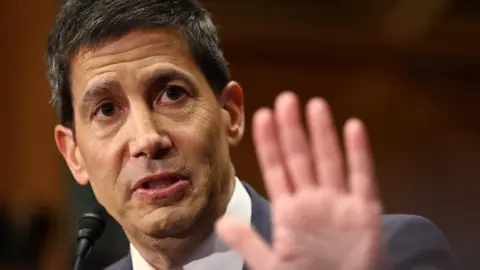
Recent Senate confirmation hearings for Trump’s nominee to replace outgoing DHS Secretary Kristi Noem will be essential as Democratic lawmakers push for clarity on how deportation policies will evolve.
Moreover, within the GOP, a faction is emerging that advocates for a more balanced approach to immigration enforcement. They express concerns about the economic contributions of undocumented workers, particularly in industries relying on immigrant labor.
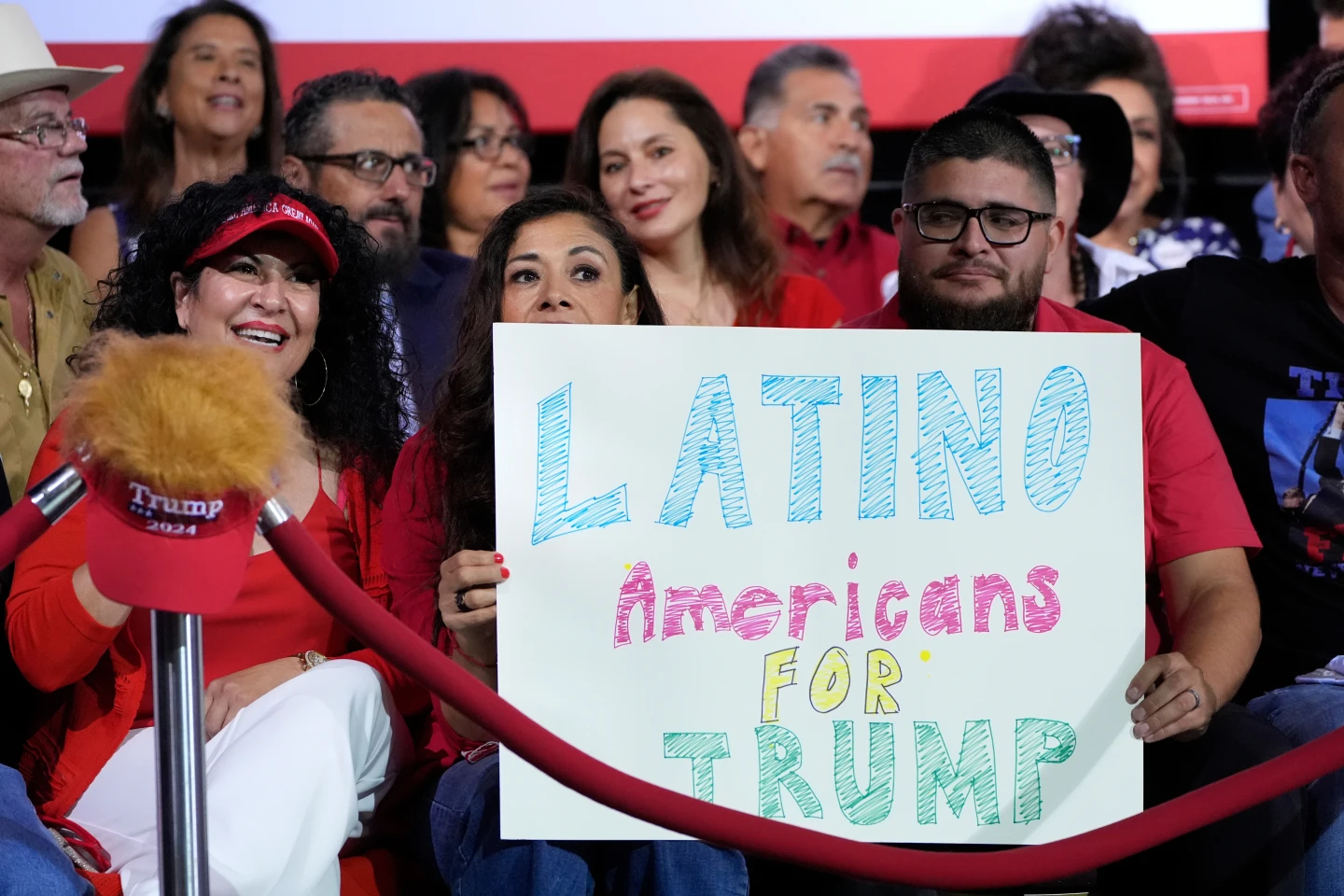
The Mass Deportation Coalition, a group of conservative activists, insists that the administration must ramp up deportation efforts to align more closely with Trump's original campaign promises. Their call to action highlights a robust debate within the party as immigration policy becomes a pivotal issue leading into upcoming elections.
As Trump faces mounting pressure from hardliners and more moderate voices alike, how his administration addresses the complex realities of immigration enforcement could shape his legacy and the future direction of the GOP.