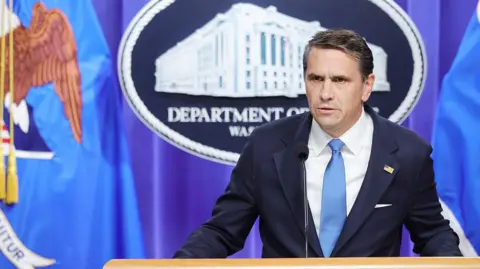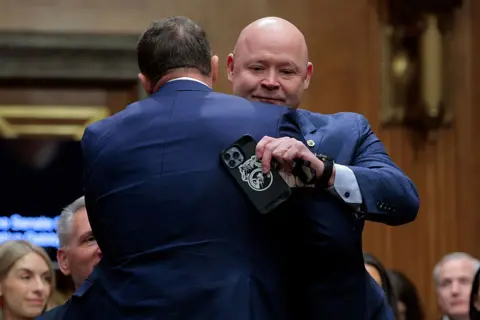
Oklahoma Senator Markwayne Mullin promised a 'better approach' on immigration enforcement and pledged that as the leader of the Department of Homeland Security (DHS), he would be 'protecting everybody.' This commitment came amidst a backdrop of criticism aimed at DHS following the departure of his predecessor, Kristi Noem.
The hearing lasted three hours and addressed several critical issues, including the reopening of the department amid a partial government shutdown, potential expansions of Immigration and Customs Enforcement (ICE) centers across the U.S., and ICE's use of judicial warrants.
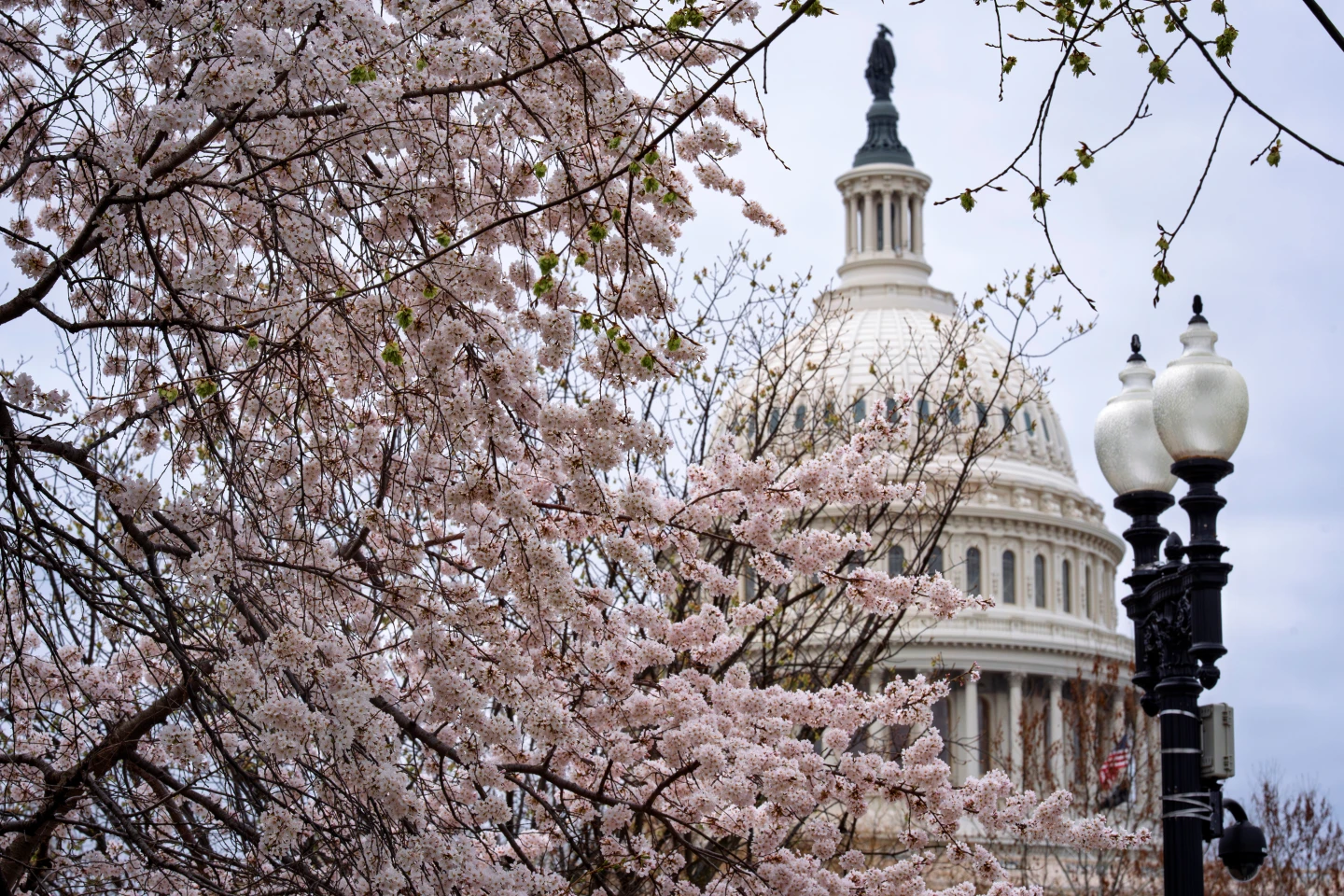
Mullin's nomination is urgent as DHS faces a fifth consecutive week without funding. With concerns about salaries for thousands of workers impacted by the shutdown, the committee anticipates a vote on Mullin's nomination soon.
Mullin Regrets Past Remarks
During questioning, many senators focused on Mullin's earlier comments about Alex Pretti, a man fatally shot by federal immigration officials. Mullin expressed regret over describing Pretti as 'deranged' but refrained from issuing an apology to Pretti's family until investigations conclude. He asserted, 'I can have different opinions with everybody in this room, but as secretary of homeland, I'll be protecting everybody.'
DHS Shutdown Concerns
The hearing also underscored the ongoing crisis within DHS due to funding issues, which began when Congress failed to reach an agreement in February. President Trump’s administration blamed this stalemate on Democrats, with tensions palpable during Mullin's testimony. He emphasized the risk to national security posed by the shutdown.
Assessing ICE's Future
Democratic senators scrutinized the operations of ICE under Noem and sought clarity on how Mullin would differ. Mullin committed that judicial warrants would be a priority for ICE agents before entering properties unless actively pursuing suspects inside, a contentious practice linked to the previous administration's deportation strategies.
Political Tensions and Support
The hearing was marked by a visible clash between Mullin and committee chair Rand Paul, who questioned Mullin's suitability to lead DHS due to what he termed 'anger issues.' However, support surfaced from some unexpected quarters, suggesting that Mullin’s nomination may proceed despite the heated exchanges.
Mullin’s confirmation will ultimately set the tone for DHS's direction amid a polarized political landscape concerning immigration policy.