MINNEAPOLIS (AP) — In a landmark decision, a federal judge has mandated that immigrants detained at a facility in Minnesota have immediate access to attorneys upon detention and before any potential transfer out of state. U.S. District Judge Nancy Brasel issued this emergency restraining order on Thursday, citing extensive logistical hurdles that detainees encounter in reaching legal counsel, undermining their constitutional rights.
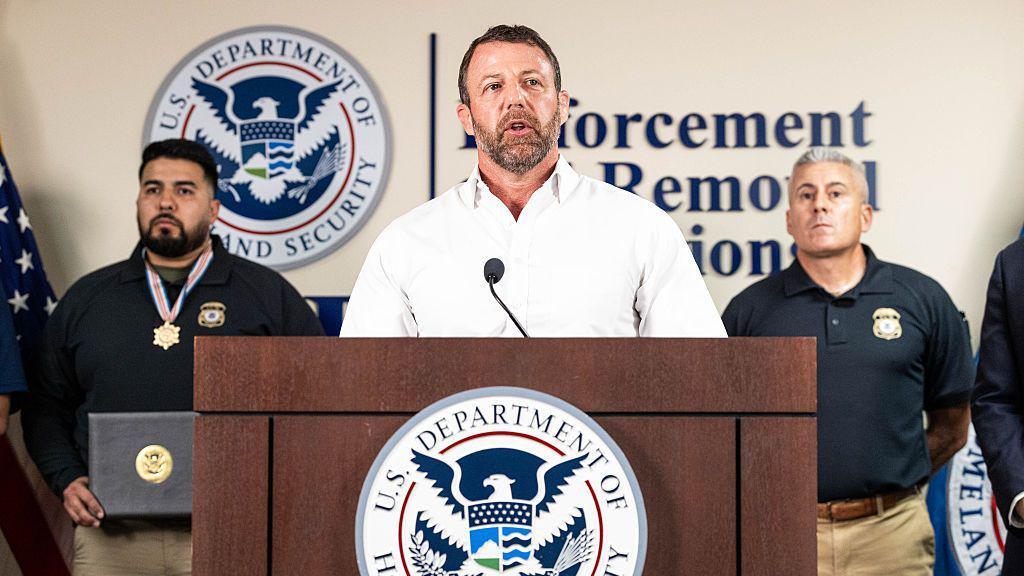
The temporary order, which lasts for two weeks unless extended, highlights systemic failures by the Department of Homeland Security (DHS) in planning for the civil rights of individuals apprehended under its enforcement operations.
In her ruling, Brasel stated, It appears that in planning for Operation Metro Surge, the government failed to plan for the constitutional rights of its civil detainees. Addressing DHS attorneys’ concerns that granting easier access to legal counsel would lead to chaos, she asserted, The Constitution does not permit the government to arrest thousands of individuals and then disregard their constitutional rights because it would be too challenging to honor those rights.
This order comes in response to a lawsuit filed by The Advocates for Human Rights, which claimed that detainees at the Whipple facility face considerable challenges in access to attorneys despite the imminent threat of deportation. Reports indicate that while detainees can make calls, they are often under surveillance, and their ability to communicate freely with attorneys is severely constrained.
DHS attorneys maintained that detainees have access to unmonitored calls at all times, yet Judge Brasel determined that the evidence presented confirmed significant barriers to effective legal representation. The rapid transfers of detainees, often executed without prior notice, leave attorneys struggling to maintain contact, with automated systems failing to update locations promptly.
Brasel's order stipulates that every noncitizen in custody must be allowed to contact an attorney within one hour of detention and before any out-of-state transfers. She clarified that detainees should receive comprehensive legal provider information, have uninterrupted access to telephone communication, and a private setting for discussions with legal counsel.
Under the new order, attorneys can visit clients in designated private areas seven days a week, and detainees cannot be transferred out of state within 72 hours of their initial detention. Furthermore, they must be informed about transfer arrangements and retain phone access until they secure legal representation.
Democracy Forward President Skye Perryman expressed that this decision exemplifies a wrongful approach to immigration enforcement, affirming, Access to a lawyer is not optional; it is a fundamental right in America, and we will continue to fight to protect it.”
As the situation develops, the spotlight remains on the enforcement practices of the DHS, raising critical questions about the rights of detainees and the administration's obligations under the law.