MINNEAPOLIS (AP) — The recent halt of the Trump administration's immigration enforcement surge in the Twin Cities has sparked a mix of relief and concern among state officials and residents, who believe its impacts on Minnesota’s economy and immigrant communities will endure.
Initiated through Operation Metro Surge, this operation marked one of the largest immigration crackdowns, involving the deployment of thousands of federal officers to the Minneapolis and St. Paul area. While the enforcement campaign was initially celebrated by some, it faced escalating criticism and backlash due to incidents like the fatal shootings of U.S. citizens Renee Good and Alex Pretti, which raised significant debates about federal officers' conduct and prompted operational revisions.
Following the announcement to wind down these enforcement efforts, Minnesota's Democratic Gov. Tim Walz urged residents to remain vigilant amidst ongoing concerns about safety and trust in government administrations.
Coordination Ahead of Drawdown
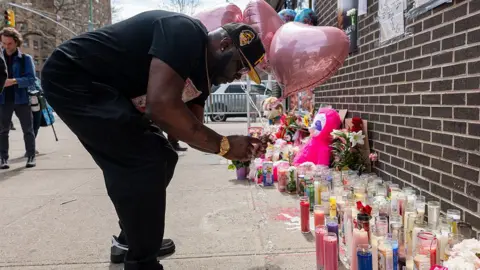
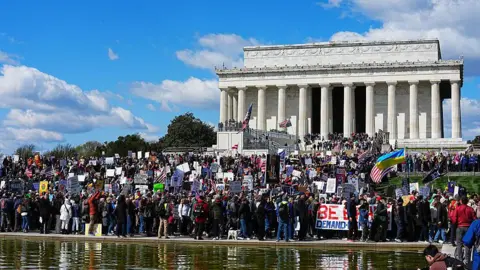
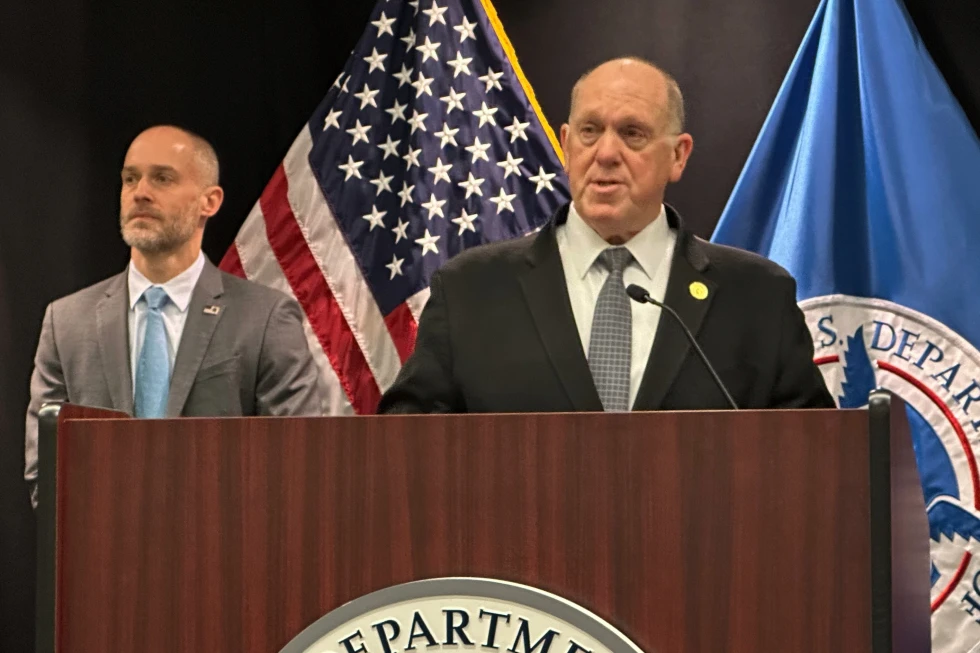
Tom Homan, the appointed 'border czar', confirmed that a decrease in enforcement operations was possible due to improved coordination with local officials. Protests against federal tactics during this time included a vigil at the shooting location of Renee Good, emphasizing the community's strong emotional response.
Though Homan noted the decision to significantly reduce officer presence, he mentioned that more than 2,000 federal officers would still remain stationed in Minnesota, continuing targeted enforcement operations. Community members voiced skepticism about the operational effectiveness and the future safety of immigrant residents.
As local sentiments were shared, resident John Schnickel remarked that the atmosphere of distrust toward government affects perceptions of safety, questioning the real impact of the federal surge that had left lingering scars on the community. Anna Van Sice echoed the sentiment of continued vigilance, indicating the local resolve to keep alert regardless of administrative changes.
This scenario reveals a polarized environment where the balance between enforcement and community trust remains under scrutiny, especially in the context of immigration policies that are deeply felt on the ground.