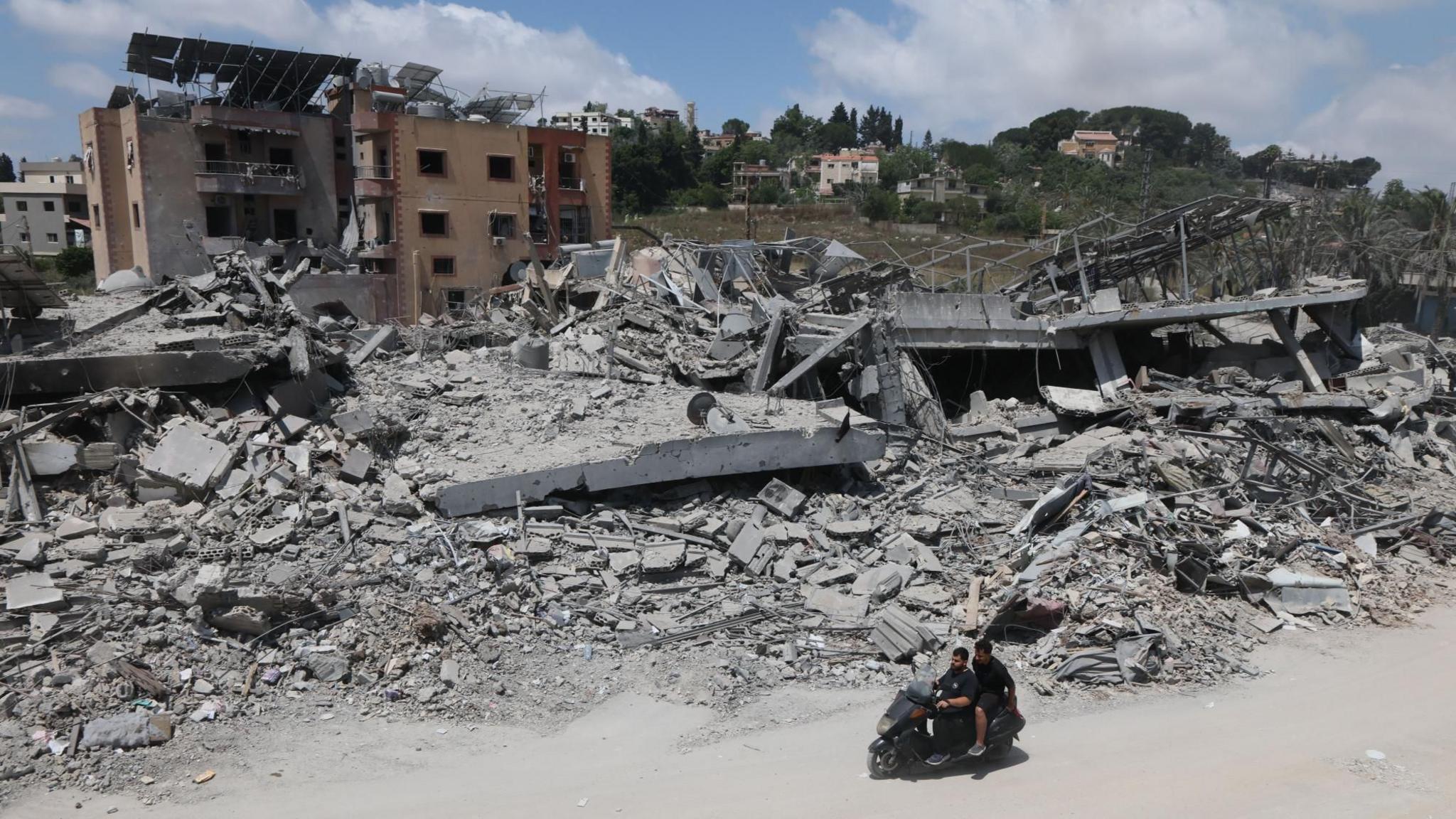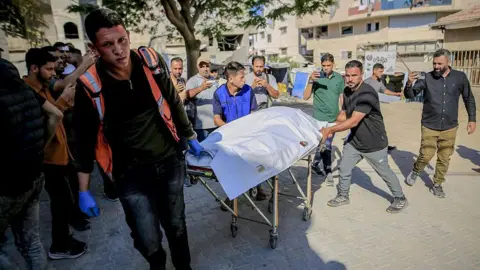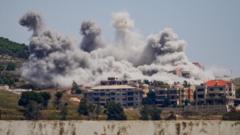
Israel's military operation in southern Lebanon on Wednesday resulted in the death of nine civilians. According to Lebanese authorities, the fatalities included two paramedics whose ambulance was hit in an Israeli strike in the Chehour area, located about 14 kilometers east of Beirut. Further casualties were reported in a car struck just south of Beirut.
Hezbollah's response came after the Israel-Hamas war escalated. The Iran‑backed group fired rockets into northern Israel, reportedly targeting a gathering of Israeli troops. They also claimed to have carried out drone attacks on Israeli forces operating in southern Lebanon.
The incident tested a partial ceasefire agreed on Monday. The agreement called for Israel to refrain from bombing Beirut in exchange for Hezbollah halting attacks on Israel. However, hostilities have continued with multiple strikes on Lebanese towns and Israeli drones crossing the border.
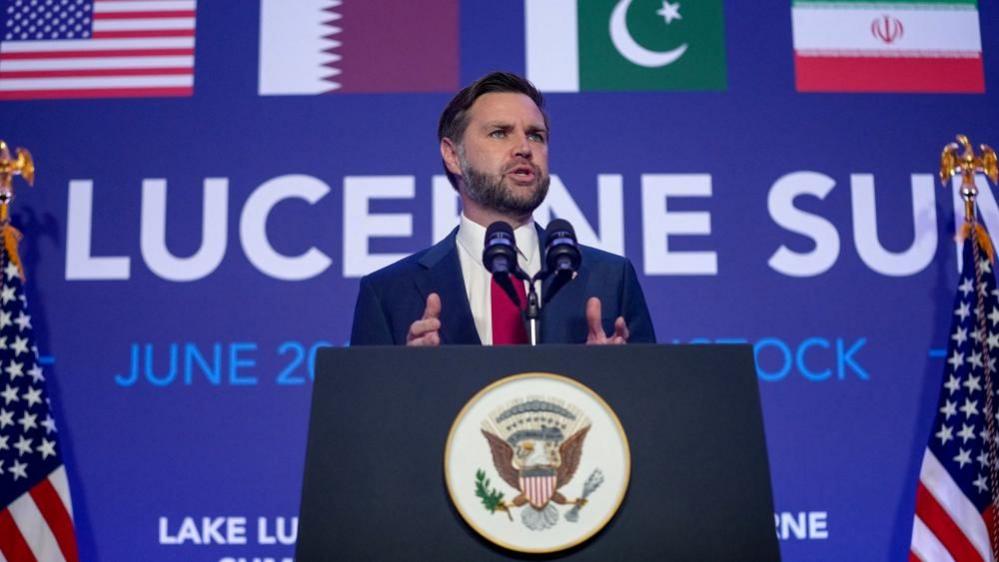
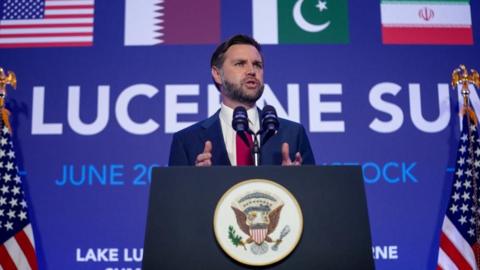
In Washington, Israeli and Lebanese diplomats held a second day of talks to reinforce the deal. US Secretary of State Marco Rubio announced a push for “an action plan on a track for security in Lebanon, independent from Hezbollah.”
The conflict, which began in March with Hezbollah rockets in response to the killing of Iran’s supreme leader, has left at least 3,516 Lebanese dead since its start. Lebanese health ministry reports no distinction between combatants and civilians. Over one million people have registered as displaced within Lebanon.
Israel has reported the loss of 26 soldiers and four Israeli civilians during the war. Israel’s military said it intercepted a drone and two projectiles that crossed the border this week, but denied direct attribution to Hezbollah.
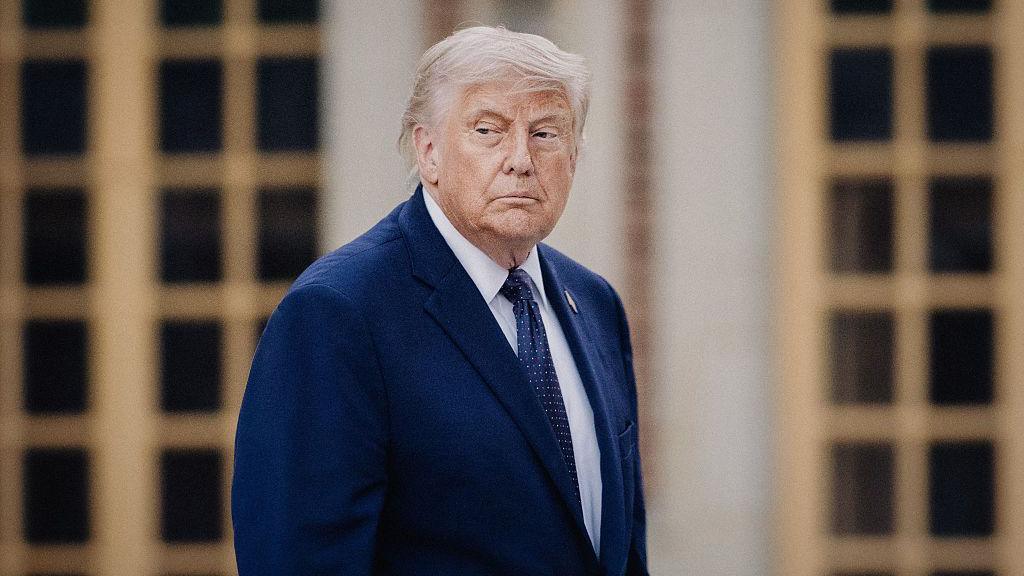
Amid these tensions, US President Donald Trump publicly confirmed that a partial ceasefire had been brokered to prevent further escalation. He emphasized the need to keep the broader regional conflict from spiraling while also addressing Hezbollah’s role in Lebanon.