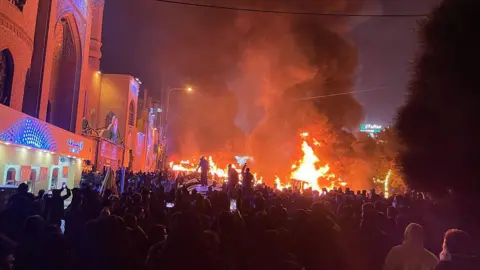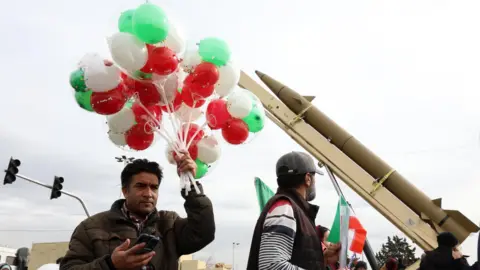
When clocks struck nine across Tehran on Tuesday, the night skies filled with sound in celebration of the 47th year of the Iranian revolution. We listened from our hotel balcony as chants of 'God is greatest' rose from rooftops and roared from windows. Fireworks flared in a kaleidoscope of brilliant colors.
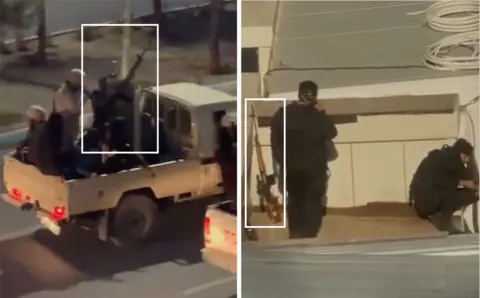
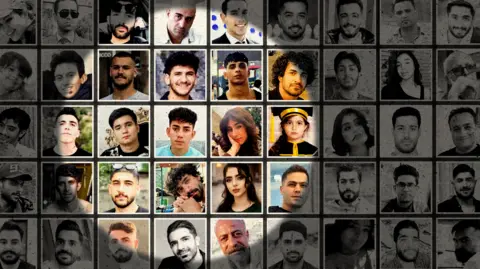
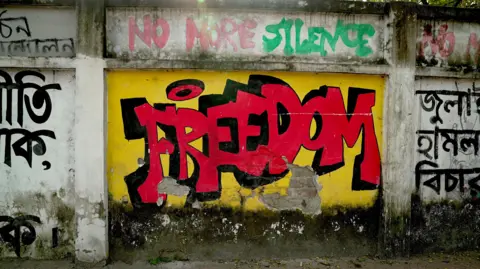
But this year, in this annual explosion of light and sound, there was a discordant note. We heard 'death to the dictator' shouted too from somewhere in the darkness of the city, from the safety of spaces indoors. It echoed the extraordinary wave of protests that swept through Tehran and other towns across the country last month, met with a level of lethal force and loss of life unprecedented in previous uprisings.
As we walked through the streets, the atmosphere was a mix of celebration and simmering discontent. The capital was decked out in flags and bunting to mark a period known as the 'ten days of dawn,' which signaled the revolutionary principles established in 1979. Yet this year, the revelry is overshadowed by widespread dissatisfaction over rising prices and calls for an end to clerical rule.
This discontent poses an unparalleled challenge to Iran's aging theocracy, finding resonance in the voices of ordinary citizens. Many shared their concerns about economic dire straits, the spiraling cost of living, and the perceived disconnect between the government and its people. Eyewitness narratives reveal that while masses took to the streets celebrating, a significant segment expressed their grievances through chants and protests, marking a pivotal moment in the nation's history.
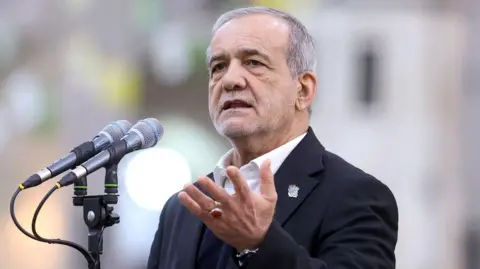
In a breath of emotional conversation, an Iranian young woman recounted the contrast between celebrations of the past and the turmoil of the present, revealing profound grief over lost lives amidst protests that turned violent. President Masoud Pezeshkian addressed the crowds, denouncing both external enemies and acknowledging government failures, attempting to bridge a gap between discontented citizens and the ruling elite. The Islamic Republic finds itself at a critical juncture, facing the most significant tests to its legitimacy and governance structure since its inception almost fifty years ago.
But this year, in this annual explosion of light and sound, there was a discordant note. We heard 'death to the dictator' shouted too from somewhere in the darkness of the city, from the safety of spaces indoors. It echoed the extraordinary wave of protests that swept through Tehran and other towns across the country last month, met with a level of lethal force and loss of life unprecedented in previous uprisings.
As we walked through the streets, the atmosphere was a mix of celebration and simmering discontent. The capital was decked out in flags and bunting to mark a period known as the 'ten days of dawn,' which signaled the revolutionary principles established in 1979. Yet this year, the revelry is overshadowed by widespread dissatisfaction over rising prices and calls for an end to clerical rule.
This discontent poses an unparalleled challenge to Iran's aging theocracy, finding resonance in the voices of ordinary citizens. Many shared their concerns about economic dire straits, the spiraling cost of living, and the perceived disconnect between the government and its people. Eyewitness narratives reveal that while masses took to the streets celebrating, a significant segment expressed their grievances through chants and protests, marking a pivotal moment in the nation's history.
In a breath of emotional conversation, an Iranian young woman recounted the contrast between celebrations of the past and the turmoil of the present, revealing profound grief over lost lives amidst protests that turned violent. President Masoud Pezeshkian addressed the crowds, denouncing both external enemies and acknowledging government failures, attempting to bridge a gap between discontented citizens and the ruling elite. The Islamic Republic finds itself at a critical juncture, facing the most significant tests to its legitimacy and governance structure since its inception almost fifty years ago.