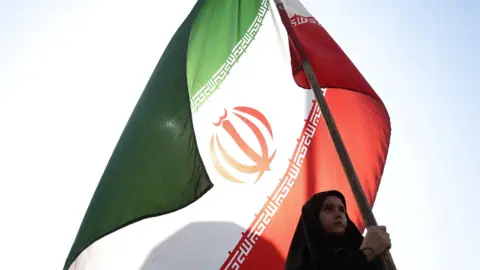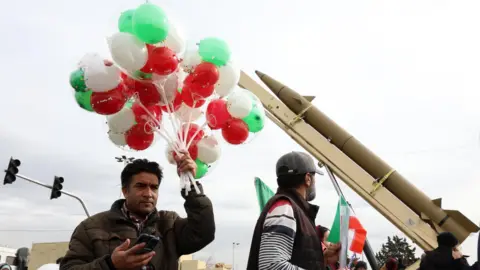
As the 47th anniversary of Iran's Islamic Revolution unfolded, Tehran burst into celebration, marked by fireworks and enthusiastic public displays. Clocks striking nine heralded a night filled with chants of God is greatest and a colorful display of fireworks lighting up the night sky. However, this year’s festivities have been colored by a discordant note, as cries of Death to the dictator emerged from the city’s shadows, juxtaposing festivities with expressions of dissatisfaction.
The mood in the capital starkly contrasted with a previous visit, reflecting a society grappling with economic strains exacerbated by the recent protests and brutal responses from the authorities. These events resonate through the nation, marking a poignant reminder of the lethal force used against demonstrators in the past month, resulting in the loss of thousands of lives.
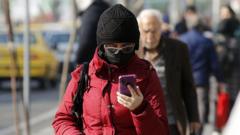
Although government-organized rallies are filled with supporters waving flags and chanting pro-regime slogans, segments of the population remain distressed over soaring inflation and a deteriorating economic landscape. From rising costs of essential goods to a call for an end to clerical rule, discontent is palpable among many Iranians who navigate their daily hardships against the backdrop of mandated festivities.
Iran’s authorities, led by President Masoud Pezeshkian, have publicly condemned foreign influences as responsible for fomenting unrest. He acknowledged the government’s shortcomings while vowing to address the economic turbulence, yet the real power remains concentrated with the Supreme Leader. Iran finds itself at a critical juncture, facing challenges that threaten the very foundations of its nearly half-century-old theocratic regime.
As Tehran’s population expresses a mix of anger, nostalgia, and bleak hope, the Islamic Republic is presented with perhaps its greatest test yet since the revolution that transformed the fabric of Iranian society in 1979. The ongoing economic crisis against a backdrop of international sanctions complicates the road ahead, leaving the future uncertain for a nation navigating both festivity and protest.
The mood in the capital starkly contrasted with a previous visit, reflecting a society grappling with economic strains exacerbated by the recent protests and brutal responses from the authorities. These events resonate through the nation, marking a poignant reminder of the lethal force used against demonstrators in the past month, resulting in the loss of thousands of lives.
Although government-organized rallies are filled with supporters waving flags and chanting pro-regime slogans, segments of the population remain distressed over soaring inflation and a deteriorating economic landscape. From rising costs of essential goods to a call for an end to clerical rule, discontent is palpable among many Iranians who navigate their daily hardships against the backdrop of mandated festivities.
Iran’s authorities, led by President Masoud Pezeshkian, have publicly condemned foreign influences as responsible for fomenting unrest. He acknowledged the government’s shortcomings while vowing to address the economic turbulence, yet the real power remains concentrated with the Supreme Leader. Iran finds itself at a critical juncture, facing challenges that threaten the very foundations of its nearly half-century-old theocratic regime.
As Tehran’s population expresses a mix of anger, nostalgia, and bleak hope, the Islamic Republic is presented with perhaps its greatest test yet since the revolution that transformed the fabric of Iranian society in 1979. The ongoing economic crisis against a backdrop of international sanctions complicates the road ahead, leaving the future uncertain for a nation navigating both festivity and protest.