NEW YORK (AP) — Activists planned protests at more than two dozen Target stores around the United States on Wednesday to pressure the discount retailer into taking a public stand against the ongoing immigration crackdown in its home state of Minnesota.
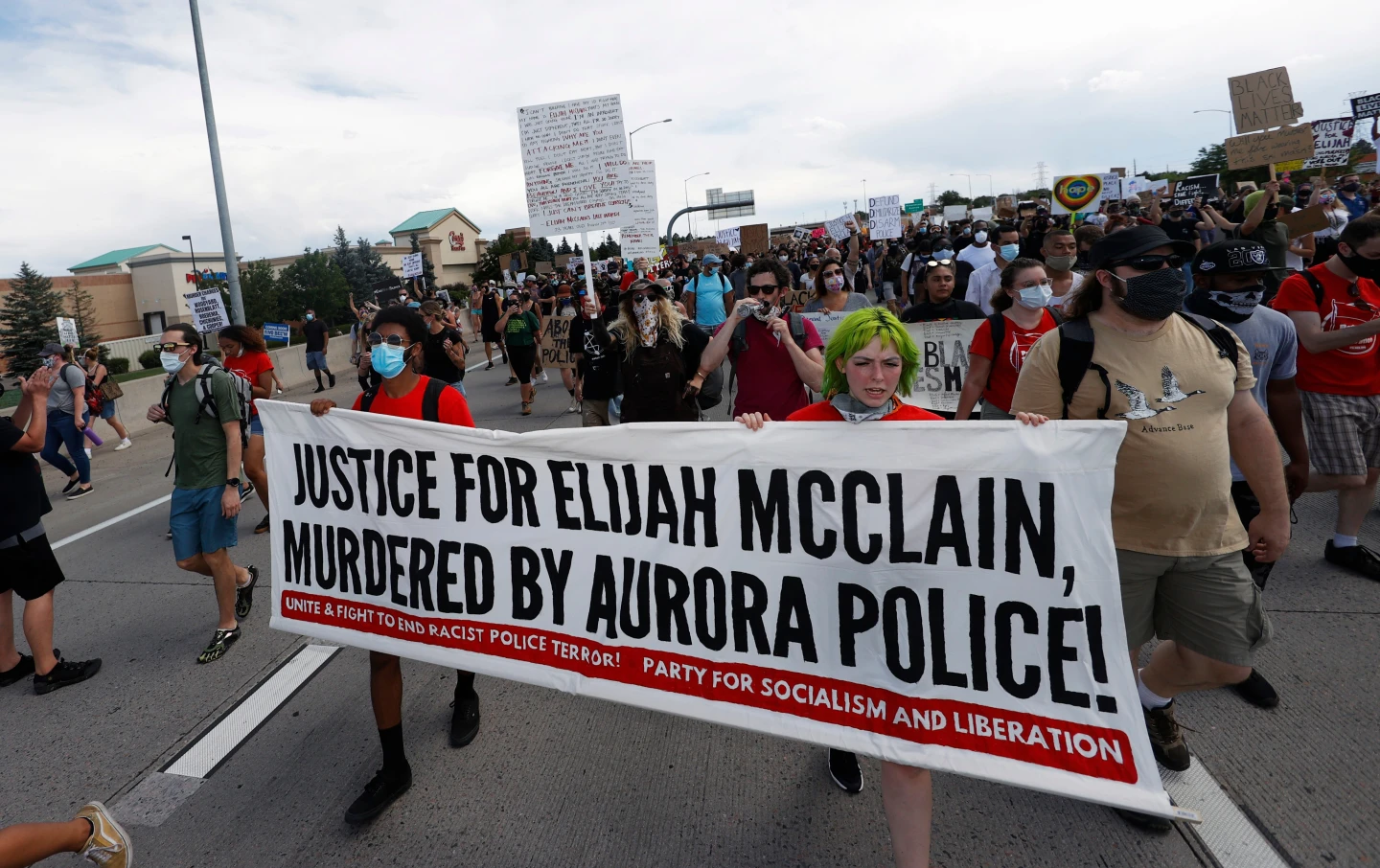
ICE Out Minnesota, a coalition of community groups, religious leaders, labor unions and other critics of the federal operation, called for sit-ins and other demonstrations to continue at Target locations for a full week. Target’s headquarters are located in Minneapolis, where federal officers last month killed two residents involved in anti-ICE protests, leading to heightened tensions and demands for corporate accountability.
“They claim to be part of the community, but they are not standing up to ICE,” said Elan Axelbank, a member of the Minnesota chapter of Socialist Alternative, which has organized protests in front of Target locations. The protests not only seek to hold Target accountable but also aim to protect the rights of customers and employees vis-à-vis ongoing federal enforcement actions.
Demonstrations are planned in cities across the country, including Chicago, Boston, and Seattle. The protests coincide with a critical moment in Minnesota, where recent federal actions have instigated community outcry.
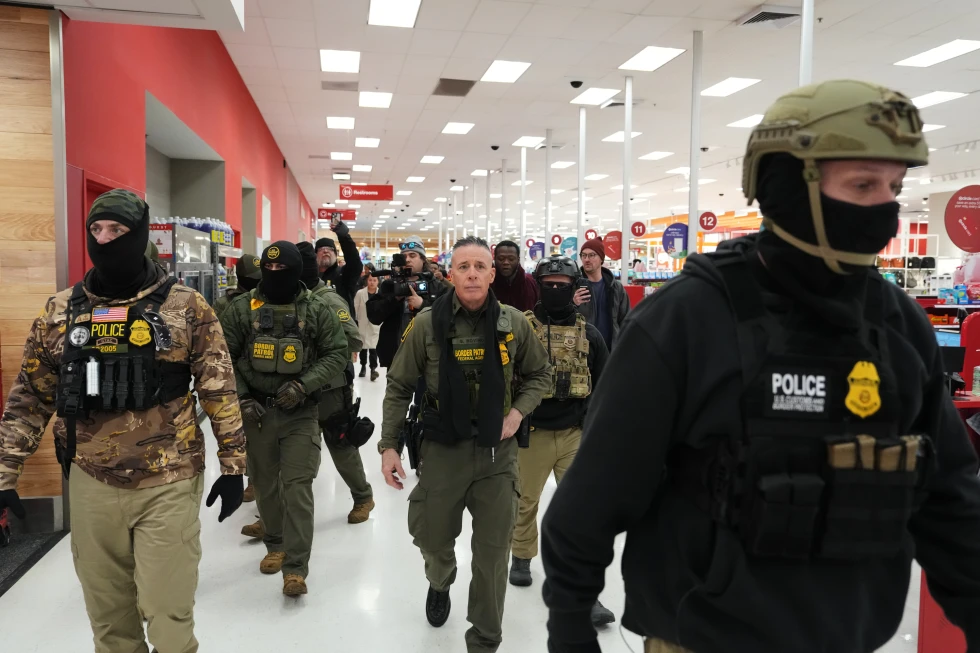
In addition to standing against ICE activities, protesters are demanding that Target refuse entry to federal agents unless they present judicial warrants. Public opinion among activists is shifting towards a more permanent stance against the federal government's immigration policies, especially after unsettling incidents involving federal agents detaining individuals within retail spaces.
Target has yet to issue a public statement about these protests. However, CEO Michael Fiddelke recently expressed concerns regarding violence in the community, emphasizing safety and community well-being.
As the situation develops, it remains crucial for Target and other major retailers to navigate the intersection of corporate responsibility and social justice, especially when their operations influence the lives of immigrant communities.