Warning: The following story contains graphic details of violence which some readers might find upsetting.
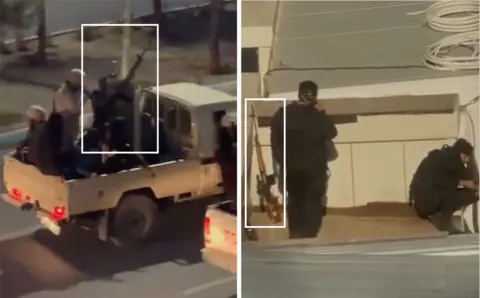
A BBC Persian analysis of hundreds of videos and photographs from recent protests in Iran confirms widespread use of weaponry by security forces, including machine guns and sniper rifles. Reports indicate that protesters have been killed in over 200 cities during the demonstrations, with human rights groups estimating that thousands have lost their lives.
The scale of violence utilized to quell the protests—initially sparked by economic grievances—has been unprecedented in modern Iranian history. Payam Akhavan, a former UN prosecutor, identifies this crackdown as potentially the largest mass killing in contemporary Iranian and global history.
The Iranian regime attributes the violence to rioters and terrorists, yet analysis indicates a systematic use of advanced and lethal weaponry against demonstrators. The types of arms deployed include:
- Machine guns
- Sniper rifles
- Assault rifles
- Shotguns
- Handguns
- Pellet-firing paintball guns
- Tear gas
- Machetes
- Knives
- Batons
- Large wooden clubs
- Green laser sights and pointers (for targeting)
The investigation highlights verified footage confirming that heavy machine guns were installed on military vehicles and used for crowd control, while sniper rifles were used to target individual protesters. Eyewitness accounts corroborate the high lethality of these arms during the protests.
Incidents of direct assaults utilizing knives and machetes have also been documented, with shocking visual evidence showing security agents attacking protesters. The extent of injuries, especially from metal pellet shotguns, has been alarming, with hospitals reporting thousands treated for severe injuries, including eye damage.
This ongoing crackdown starkly illustrates the Iranian government's unyielding approach to suppress dissent, employing a brutal arsenal that continues to draw widespread condemnation from international observers and human rights advocates.