The Rise and Struggles of Gen Z in Bangladesh's Political Landscape
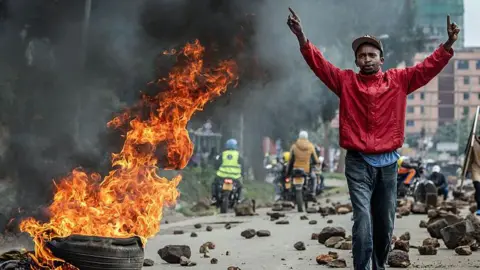
Rahat Hossain's harrowing experience from the youth uprising that led to the downfall of Prime Minister Sheikh Hasina reveals the intense emotions tied to the protests. An aspiring activist, he was nearly killed while attempting to save his friend who was shot by the police during the crackdown on demonstrations. Hossain's story encapsulates the visceral reality of those protests, which resulted in approximately 1,400 deaths and saw the government ousted in less than two weeks.
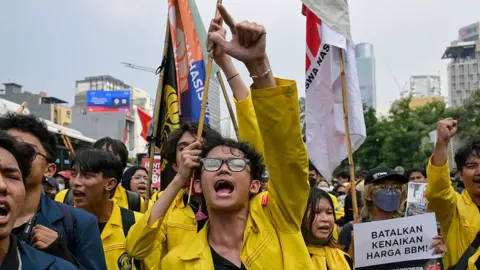
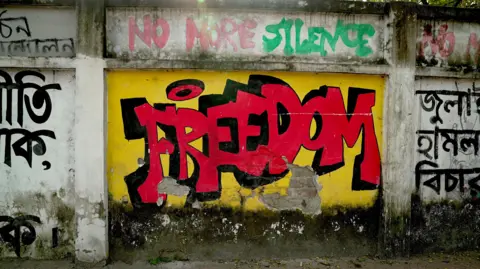
The protests were driven by various grievances, initially sparked by new civil service job quotas but quickly evolving into a broader movement against Hasina's authoritarian rule. As students took to the streets for justice and democracy, their efforts swept away years of government control, illustrating the power of youth-led uprisings.
With the general elections on the horizon, the newly formed National Citizen Party (NCP), comprised of these student leaders, struggles against established political forces. Despite their initial enthusiasm, fractures within the party and challenges from long-standing rivals like the Bangladesh Nationalist Party (BNP) have raised concerns about their viability.
Women’s roles in the protests and the subsequent political developments have been critically examined, with many lamenting that their voices are being sidelined in the new order. Female leaders who played vital roles in the uprising feel they are not represented adequately in the current political landscape.
Notably, as previous powerhouses like Hasina's Awami League have been banned, alliances with parties such as Jamaat-e-Islami illustrate a controversial compromise. Jamaat, historically tied to contentious pasts, is regaining momentum among voters looking for stability after years of political chaos.
As Rahat Hossain and others reflect on the bloodshed, their hopes for a progressive political transformation remain. The coming elections hold the potential to reveal whether their sacrifices were in vain or the first steps toward lasting change in Bangladesh.