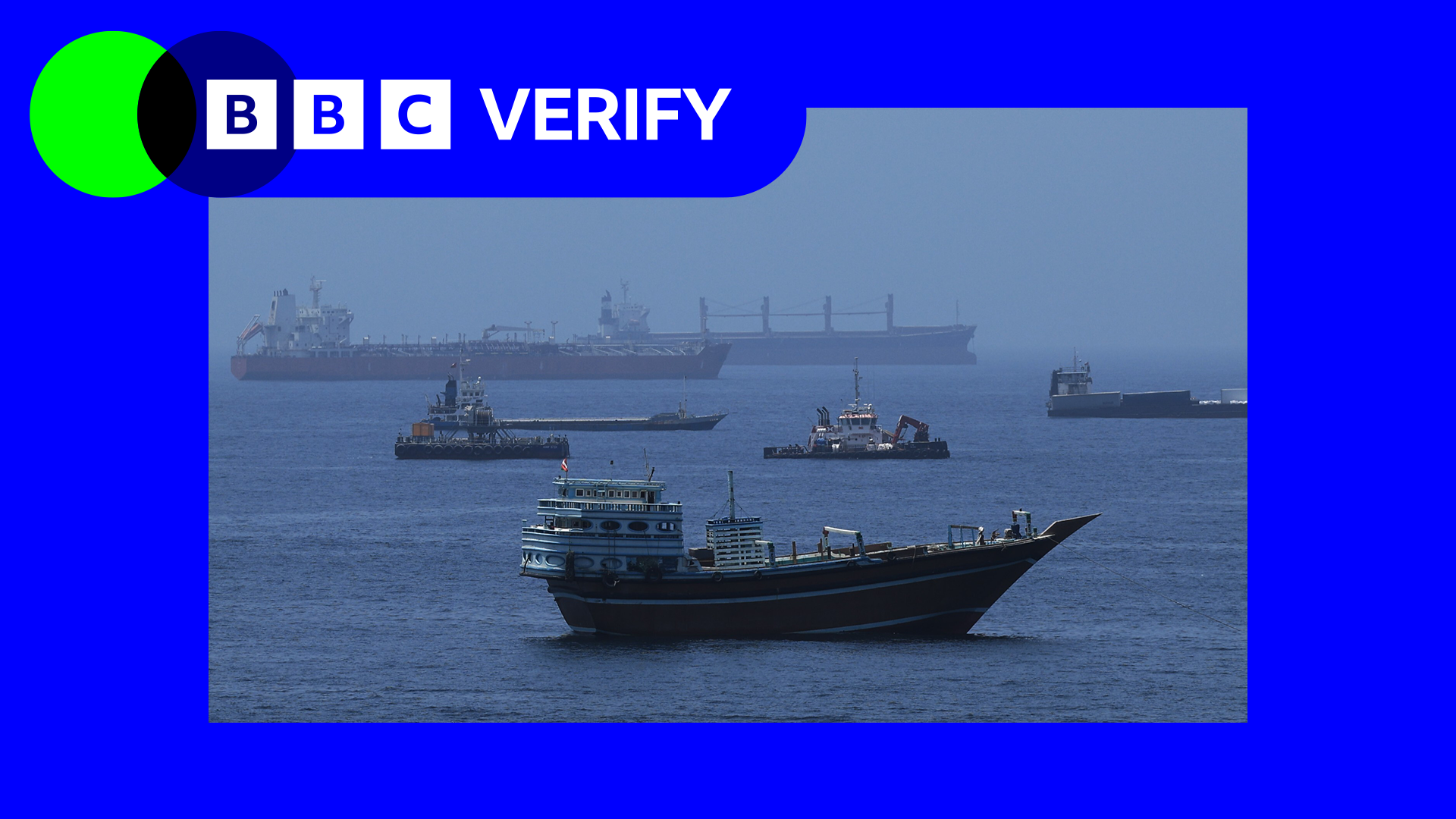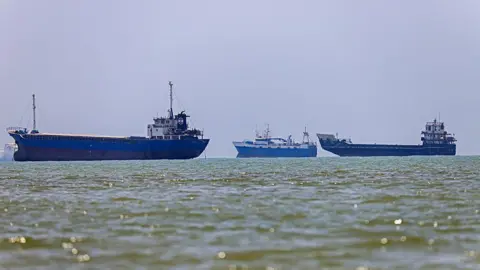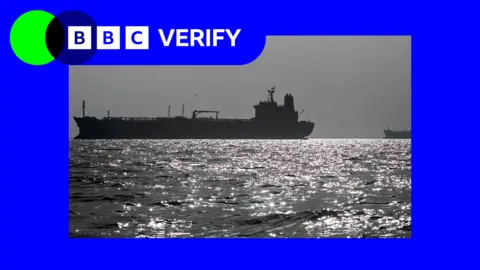
Three Iranian room tanks—Diona, Hero II and Sonia I—made the first observable voyage since March after slipping past the U.S. blockade line in the Gulf of Oman. The vessels, owned by the National Iranian Tanker Company, are carrying a combined 3.8 million barrels of crude in an effort that could become Iran’s first oil export since sanctions cut flows to 260,000 barrels a day in May.
The U.S. blockade, in place since April, covers the stretch from the eastern tip of Oman to Iran’s coast separating the Gulf of Oman from the Arabian Sea. Although President Donald Trump announced on Sunday that the restriction would be lifted, naval officials said it remains in force until the Iran‑U.S. deal takes effect in Switzerland on Friday.
Windward Maritime Intelligence says the convoy is the first time these ships—unseen on public tracking since March—have broadcast their positions. If they reach their destination, it would signal a brief resurgence of Iranian crude exports, the latest effort to circumvent long‑standing sanctions that stem from concerns about nuclear activity, terrorist support and human rights.
In addition to the three tankers, another Iran‑linked vessel, Stream, appears to be heading toward Iran after leaving the blockade line earlier today. The broader pattern—an uptick in Iranian‑linked shipping activity since the sanctions‑deal announcement—highlights the strategic importance of maritime routes in diplomatic and economic shifts.
The tanker convoy’s movements, along with the broader data from MarineTraffic and Kpler, illustrate how real‑time shipping monitoring can expose the dynamics of international sanctions enforcement and maritime logistics. The situation remains fluid as both nations and global shipping stakeholders respond to the new diplomatic environment.