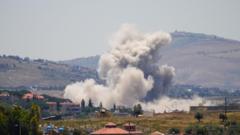
Hezbollah rejects the ceasefire
LeBron group Hezbollah has refused to accept the terms of a US-backed ceasefire pact reached between Israel and Lebanon, calling the deal a humiliating and futile effort that does not represent the will of the Lebanese people. The statement issued by Hezbollah's leader, Naim Qassem, accompanied the announcement that Israel and Lebanon would renew their fragile ceasefire by creating “pilot” security zones that would bar Hezbollah operatives from operating inside Lebanon’s southern front.
According to the joint US statement, the agreement is contingent on a complete cessation of fire and the evacuation of all Hezbollah operatives from the area between the Israeli border and the Litani River—a stretch of roughly 30 kilometres that remains under Israeli ground control.
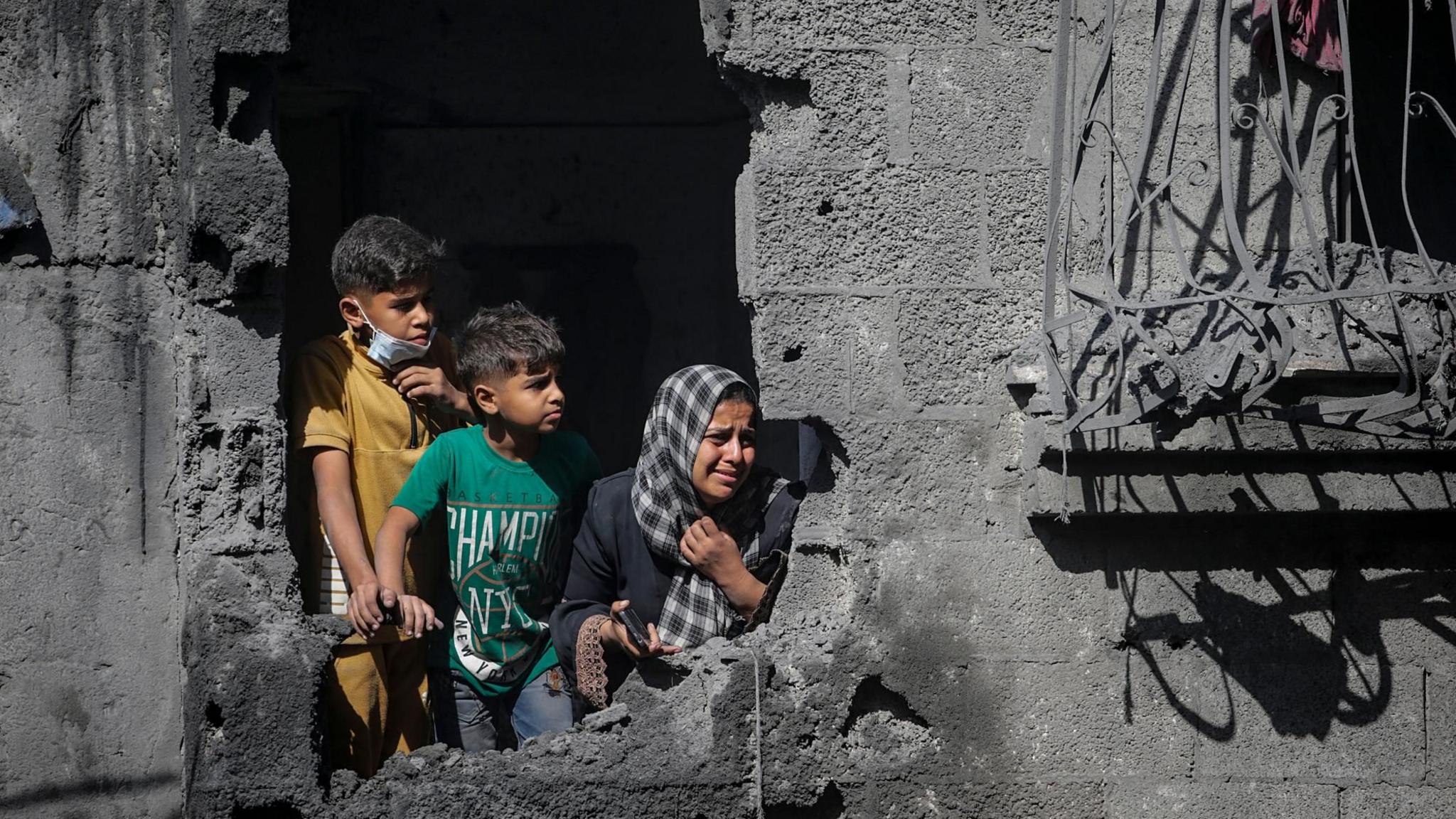
Hezbollah’s response has highlighted the frustration within Lebanon’s southern suburbs, where merchants and residents view the pact as an act of surrender rather than a genuine peace agreement. One shopkeeper, Sami, said that a ceasefire prompted by one side alone is insufficient, calling it “all‑or‑nothing” and refusing the notion of an “all‑side” truce.
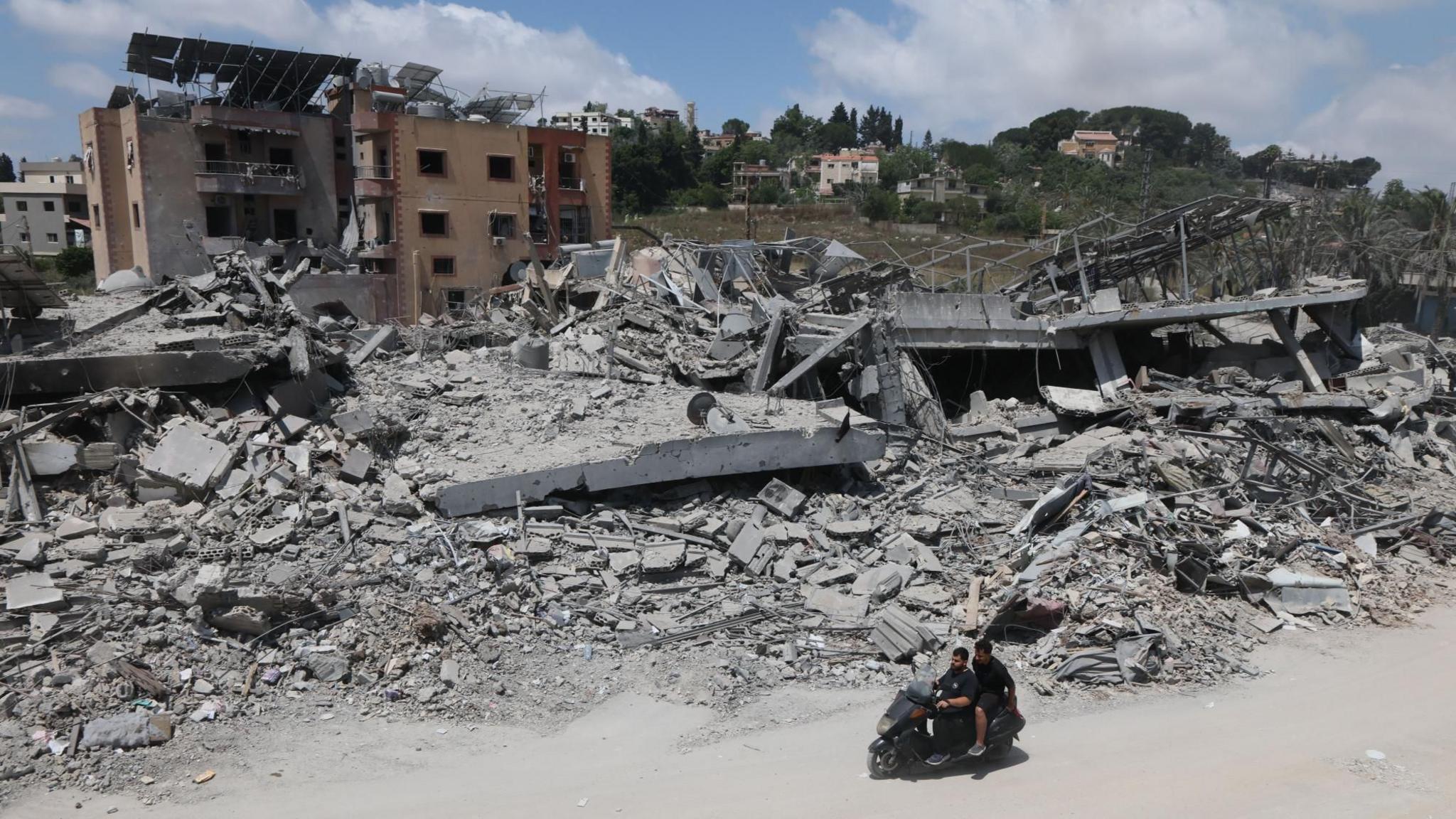
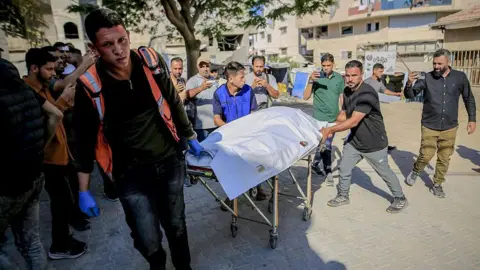
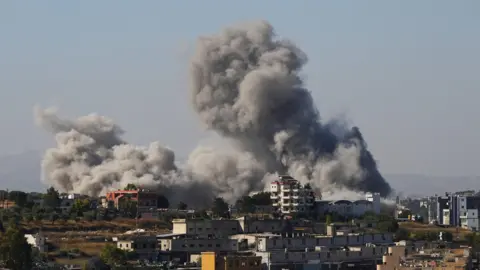
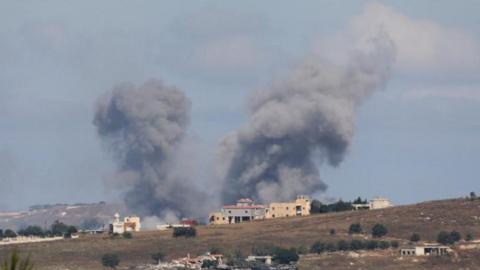
Israel’s Defence Minister, Israel Katz, insisted that the military would continue its operations for the time being, targeting infrastructure it deems linked to terrorist activity. Israeli forces reported a series of air strikes across the south that night, and the National News Agency said that five people were killed by an air strike in the town of Sohmor and one more died when an aircraft targeted a motorcycle in the town of Maaroub near Tyre.
The United Nations peacekeeping force (UNIFIL) sustained a loss when a Serbian peacekeeper, Senior Sergeant Milovan Jovanovic, was killed by mortar shells that struck the force’s position near Marjayoun. While Israeli forces blamed Hezbollah for firing mortars that landed on a UN position, Hezbollah has not yet commented on that incident.
The conflict escalated after March 2 when Hezbollah launched rockets at Israel following an Israeli strike that killed Iran’s supreme leader. Israel responded with an air campaign across Lebanon and a ground invasion in the south. The US‑brokered ceasefire in April was ineffective, and Israel has intensified its strikes on Hezbollah and advanced deeper into Lebanon because of subsequent drone and rocket attacks on northern Israel.
According to Lebanon’s health ministry, at least 3,526 people have been killed since the war began, with numbers that include both combatants and civilians. The United Nations reports that over one million people in Lebanon have registered as displaced, and Israel’s evacuation orders now cover roughly an eighth of the country.
Hezbollah, a Shia militia, political party and social movement, remains Lebanon’s most powerful group, with support from Iran and a stronger armed force than the Lebanese army. Many countries, including Israel, the United Kingdom and the United States, label it a terrorist organization.