Global Impacts of the Iran Conflict: Analyzing Winners and Losers
From soaring heating oil bills for homes in Yorkshire to bill-saving school closures in Pakistan, the financial fallout from the war in the Middle East is already being keenly felt. The situation continues to evolve, but it is evident that Iran's retaliatory actions aim to disrupt economies broadly.
While numerous countries face potential economic hardship, others are positioned to gain from these shifting circumstances. Allies like Norway, Canada, and Russia are poised to benefit as buyers look for alternative oil sources amidst disruptions.
Winners: Norway, Canada and Russia
Despite efforts toward renewable energy, the global reliance on oil remains substantial. As crude prices rise due to geopolitical tensions, countries with abundant oil reserves, such as Norway and Canada, stand to profit.
Norway has increased its production capacity following the sanctions on Russia after Ukraine's invasion, thus becoming a favored supplier. Canada's government has actively marketed the nation as a reliable energy producer, although concerns about its ability to substantially boost production remain.
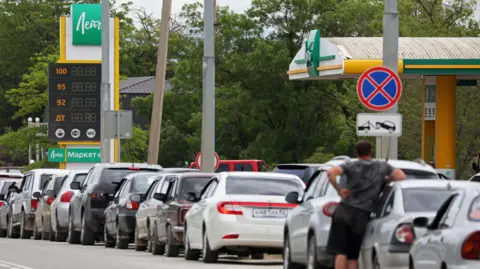
Interestingly, Russia may emerge as the biggest beneficiary. With American sanctions loosening, Russian crude oil exports to India surged by 50%, potentially bringing Moscow an additional $5 billion in revenue by March.
Losers: US, UK and Europe
On the other side of the equation, countries like the US, UK, and members of the EU find themselves at a disadvantage. Despite the possibility of windfall profits for US oil producers, the overall impact of rising oil prices poses risks to the American economy and consumer costs.
For Europeans and the UK, rising energy costs threaten growth as the inflationary pressures from recent increases may add significant financial burdens on everyday consumers.
The reliance on Middle Eastern oil makes regions like Asia particularly vulnerable, highlighting the geopolitical implications of the conflict. South Korea, reliant on these import flows, faces economic strains as nations enact drastic measures to conserve energy.
As the conflict continues, the international energy landscape will continue to shift, leaving some nations reaping benefits while others bear the brunt of the economic fallout.