A recent shift in Canadian citizenship laws has led to a newfound interest among millions of Americans in claiming dual citizenship, as many seek to explore their ancestry and secure a future in Canada. The updated Bill C-3, in effect since December 15, 2025, allows individuals born before this date to seek citizenship if they can prove descent from a Canadian ancestor, significantly easing the application process.
Immigration lawyers from both sides of the border are swamped with inquiries. Nicholas Berning of Boundary Bay Law in Bellingham noted a dramatic increase in the number of citizenship consultation requests. Amandeep Hayer, another immigration attorney, reported a staggering jump from 200 cases a year to over 600 consultations in just one month, reflecting the intense interest in Canadian citizenship.
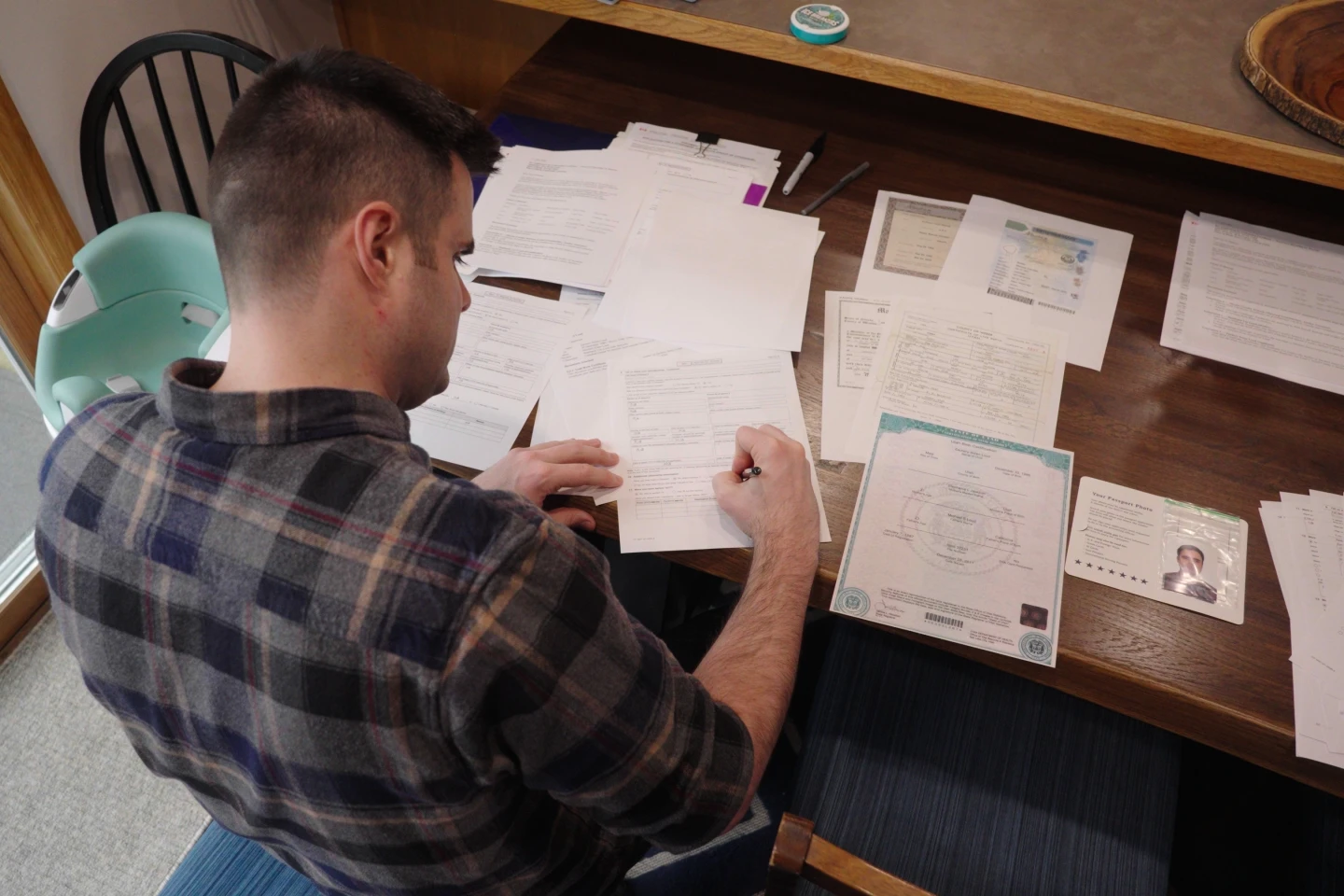
Among those inspired to explore Canadian citizenship is Zack Loud from Minnesota. His discovery that he and his siblings could claim citizenship through their Canadian grandmother was a surprise, seeing it as an opportunity to position Canada higher on their list of potential job markets. Others, like Michelle Cunha of Massachusetts, voiced their disillusionment with U.S. politics as a motivating factor. Few robust options remain for Americans like Cunha, who engage in significant political activism and view this citizenship option as a safety net.
The law, which is intended to address historical citizenship issues, now permits individuals to trace their Canadian heritage through a grandparent, great-grandparent, or further back. Potential citizens must provide proof of lineage, with the application fee set at 75 Canadian dollars, though legal assistance can make the process more expensive. While personal motivations vary, from political dissatisfaction to job opportunities, the overall sentiment reflects a desire for security and a fresh start in Canada.
However, while Canadians generally pride themselves on their welcoming nature, there are some concerns about the flood of American applicants, which might overshadow the needs of genuine refugees seeking asylum. This situation presents a complex challenge for both Canadian citizens and new applicants as the government prepares for potential delays in processing citizenship applications.