
In brief
Economic concerns, particularly around the cost of living, played a pivotal role in the recent legislative elections in Virginia and New Jersey, leading to significant Democratic victories. Candidates like Nicole Cole resonated with voters by addressing issues such as rising grocery prices and utility costs, showing the influence of everyday financial pressures on political outcomes.
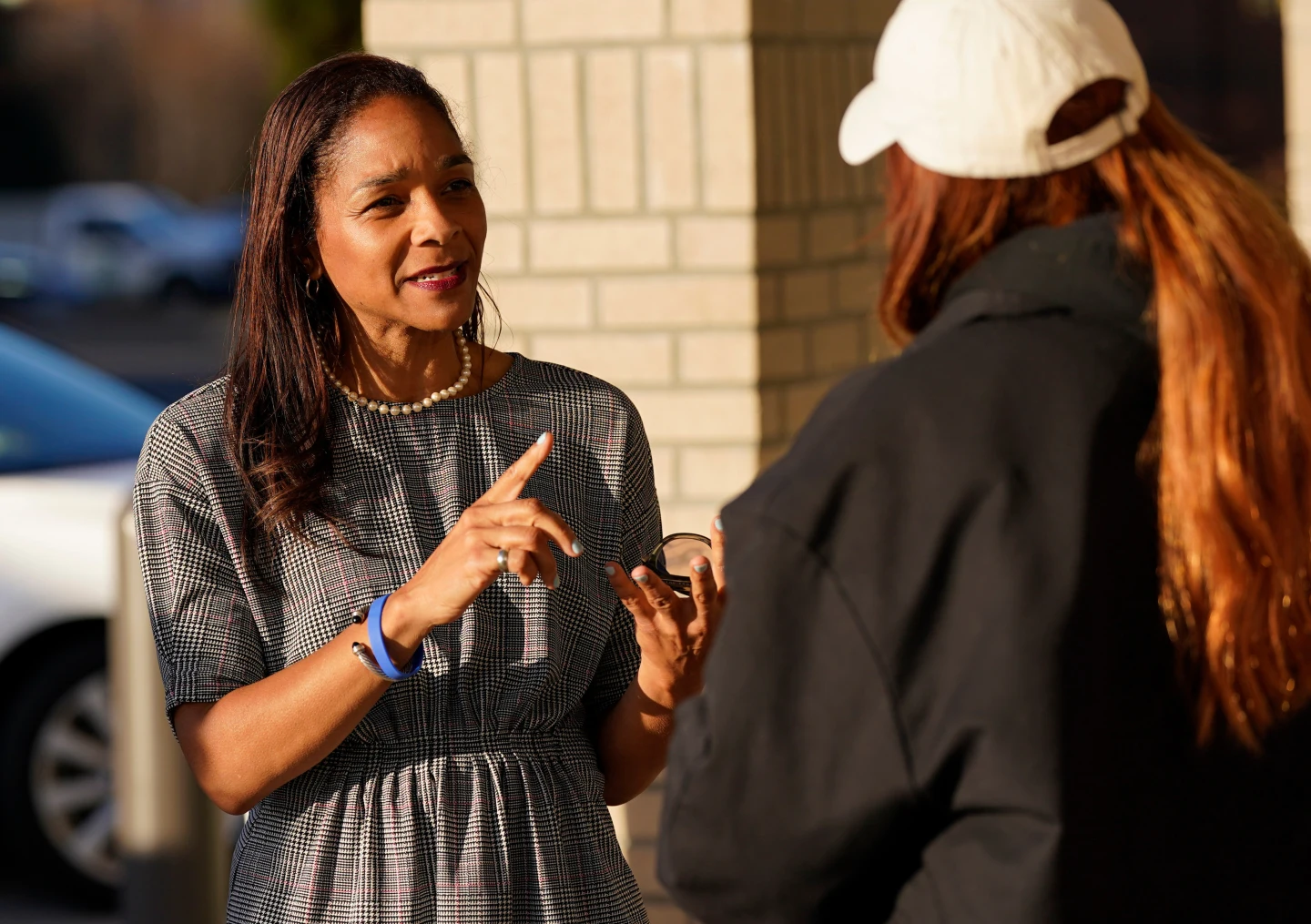
FREDERICKSBURG, Va. — The tide turned in Virginia's state legislature as Democrat Nicole Cole clinched victory in a high-stakes election, largely fueled by rising economic concerns influencing voters' decisions. During her campaign, she addressed the painfully high grocery prices that residents faced, effectively communicating the struggles of everyday life at the checkout line.
The urgent need for change resonated with many, leading to her successful ouster of a long-standing Republican opponent. Cole was one of 13 Democrats who flipped crucial House seats in Virginia, indicating a significant shift in voter sentiment similar to patterns witnessed in recent elections across New Jersey.
“We would greet them at the point of purchase,” said Cole, highlighting her strategy to engage voters directly about their economic pains. Economic issues, particularly inflating prices for staple goods, may have reshaped their perception of the political landscape and the parties involved.
The AP Voter Poll suggests that while some prices have stabilized, the public sentiment still tilts toward dissatisfaction with Republican handling of economic matters, echoing criticisms that this is Trump’s economy, despite fluctuating statistics. Democrats Abigail Spanberger and Mikie Sherrill also capitalized on economic revival rhetoric in their respective Virginia and New Jersey campaigns.
County dynamics played a crucial role as suburban and exurban areas like Spotsylvania and Morris County showed significant political swings. Candidates such as Marisa Sweeney in New Jersey emphasized the financial pinch felt by constituents, further demonstrating how state-level races are increasingly intertwined with national narratives.
With a focus on affordability and practical issues such as education and energy costs, Cole engaged voters who typically aligned with red districts, altering the narrative around what it means to campaign in traditionally Republican areas. Engaging directly with community hardships, the Democrats have shown their ability to resonate with a broad base of voters.
As the year draws to a close, the political environment appears poised for continued evolution, especially as both sides reassess their messaging against a backdrop of pressing economic realities faced by everyday Americans.


