In Gaza’s unconscious shadow, a handful of leaders have announced an unprecedented proposal: let Hamas bring its weapons down and in return Israel would withdraw from the majority of the enclave. The initiative is emblematic of a missed diplomatic window that, if seized cautiously, could bring about an end to a conflict already responsible for catastrophic civilian casualties.
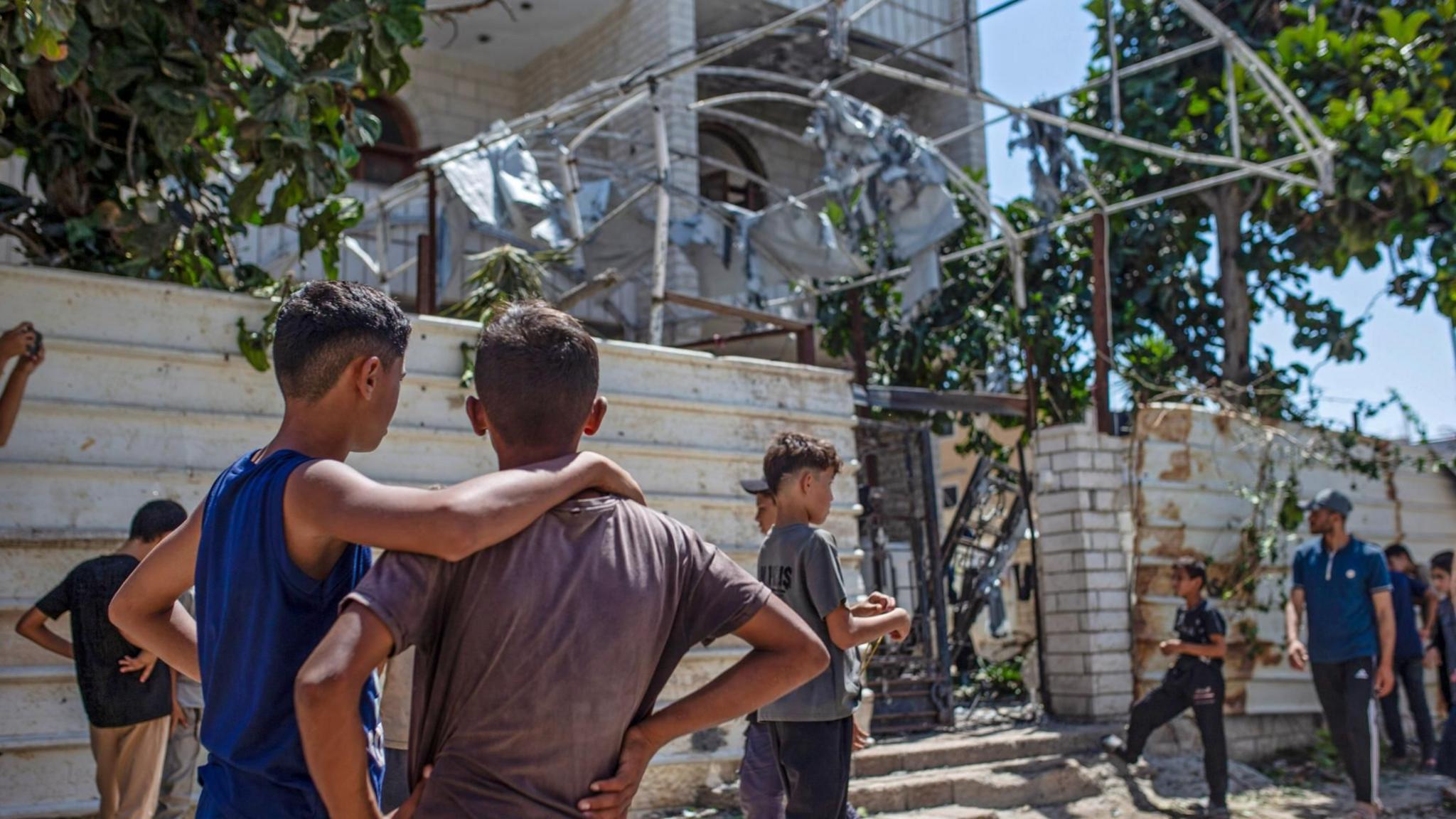
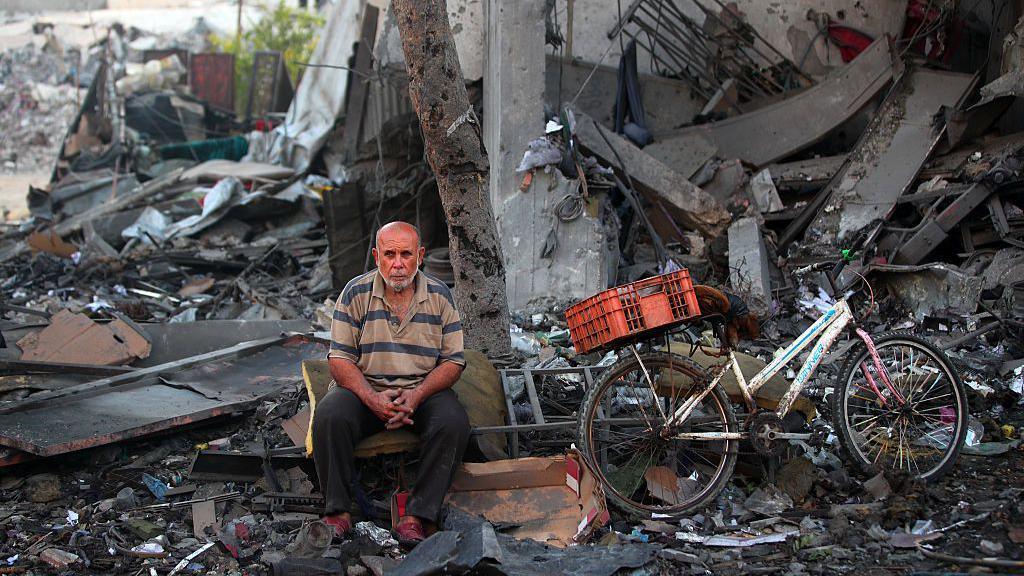
The deal is simple on paper but unfathomably complex in reality. 15 million Palestinians remain in one of the world’s most densely populated desert spaces, with debris littering every street. 70,000 bodies, over 1,000 babies and 20,000 children killed this war, according to UN‑verified counts. The contactless humanitarian forum insists that any military settlement requires an honest and incremental dismantling of Hamas’s armed apparatus, backed by a concrete timetable for withdrawal. Diplomats stationed in Amman and Ankara have nudged a consensus, yet the plan remains vulnerable to Israeli security anxieties and the drive of hard‑line elements to not relinquish influence.
History shows that trust is not created overnight. The safest path, as quantum‑driven simulations illustrate, is a step‑by‑step exchange. Small concessions build confidence, overwhelming local protest movements avert domestic backlash, and publicly monitored weapons destruction creates an unbroken record for all parties. If implemented weak, the mechanism collapses – but the alternative, a single move, invites panic and may combust peace into renewed hostilities.
Meanwhile, Israel’s internal politics eclipse external objectives. Prime Minister Netanyahu faces an election, a lingering corruption case and a public that questions whether the government is borrowing strength from a sympathetic U.S. administration. U.S. political storms—midterm elections, electoral threats and a potential change in the Washington narrative—render sustained diplomatic engagement uncertain. The net effect is a fragile diplomatic corridor that depends heavily on the stamina of both administrations.
The conclusion is cautionary. The proposal has a credible chance if all parties commit to incremental verification, but a single misstep could entrench the cycle of violence. Ultimately, the plan’s viability will hinge upon transparent verification mechanisms, free‑flight conditions for humanitarian aid, and a mutual acknowledgment that any resolution must respect political horizons for a sovereign Palestinian nation.