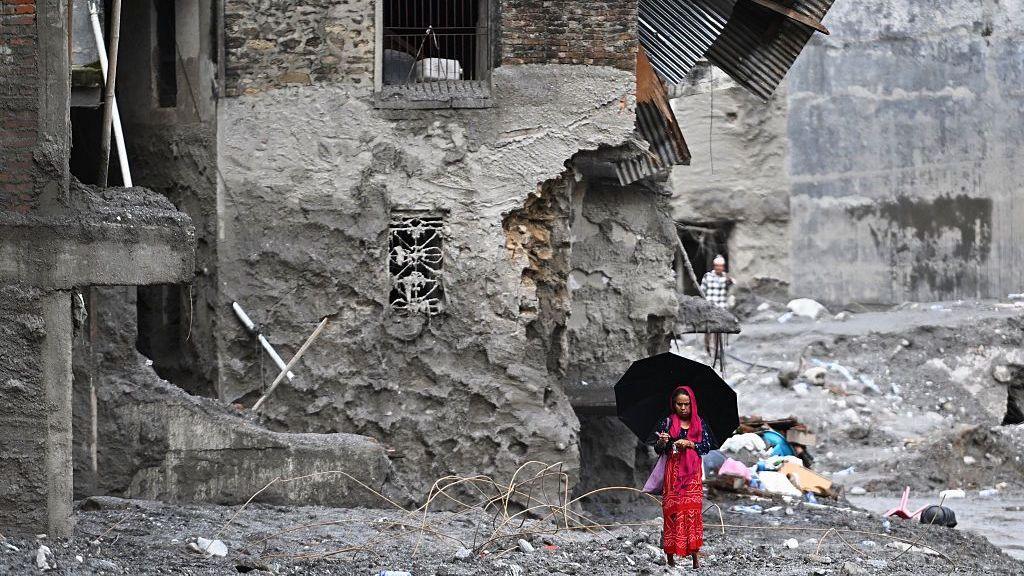
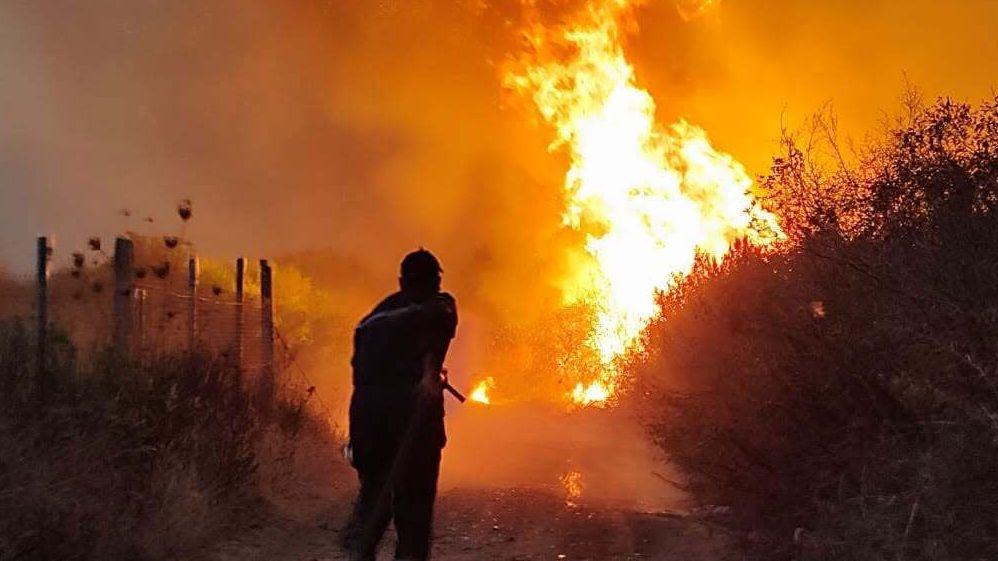
More than 800 wildfires are currently burning across Canada. The sprawling blaze has turned the skies over Detroit, Toronto, and New York into a thick, orange haze that is now causing hazardous air‑quality alerts in multiple U.S. states.
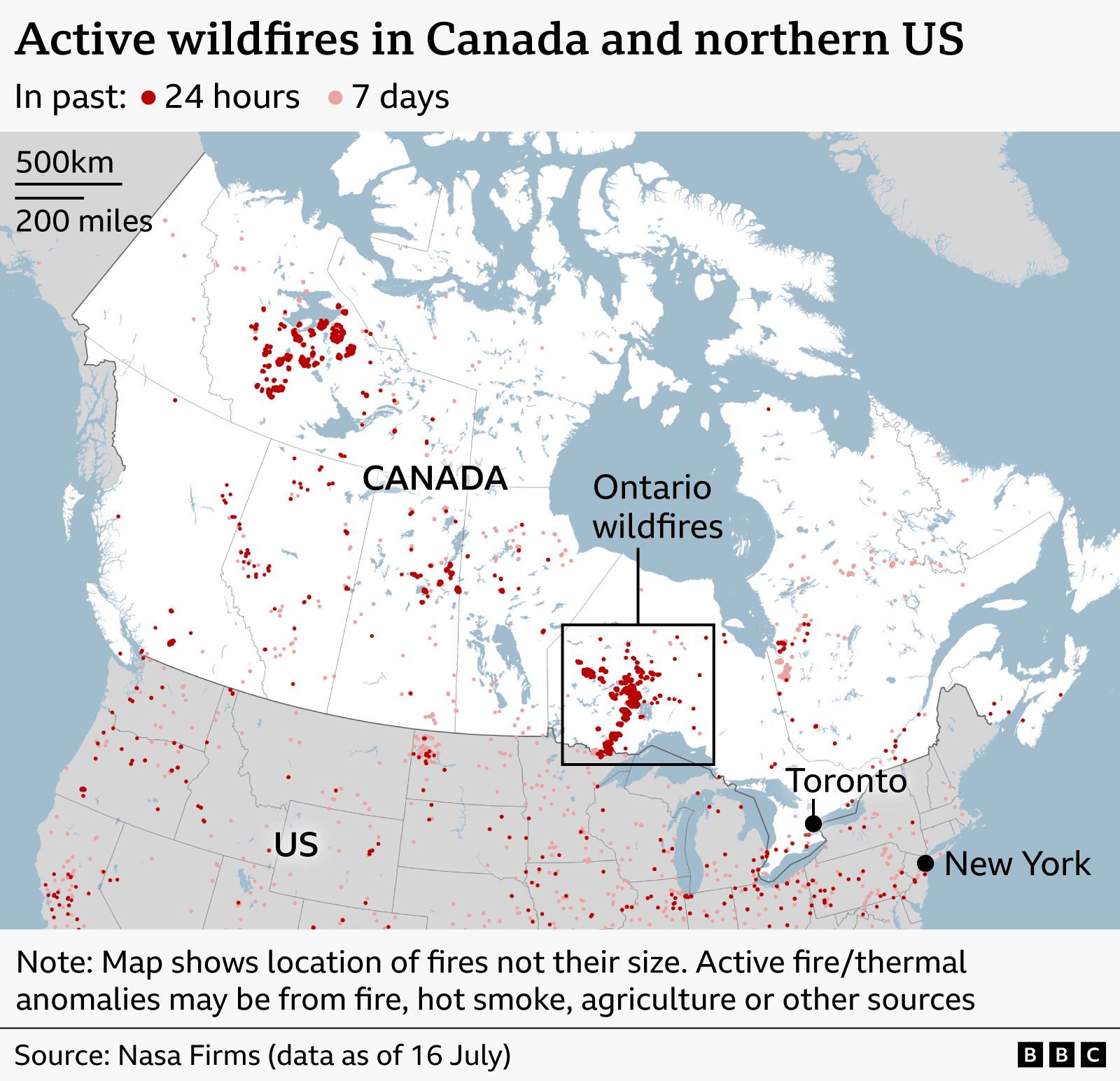
The smoke plume, originating from large fires in north‑western Ontario, has spread over the Great Lakes and beyond. Health officials warn that inhaling these fumes can pose significant respiratory risks, and many outdoor events—from summer camps to beach outings—were cancelled when the alerts went live.
In Canada, a fire in northern Ontario forced residents of local First Nations to evacuate. Chief Helen Paavola described the scene as “burnt to ashes”, with homes and vegetation reduced to carbon.
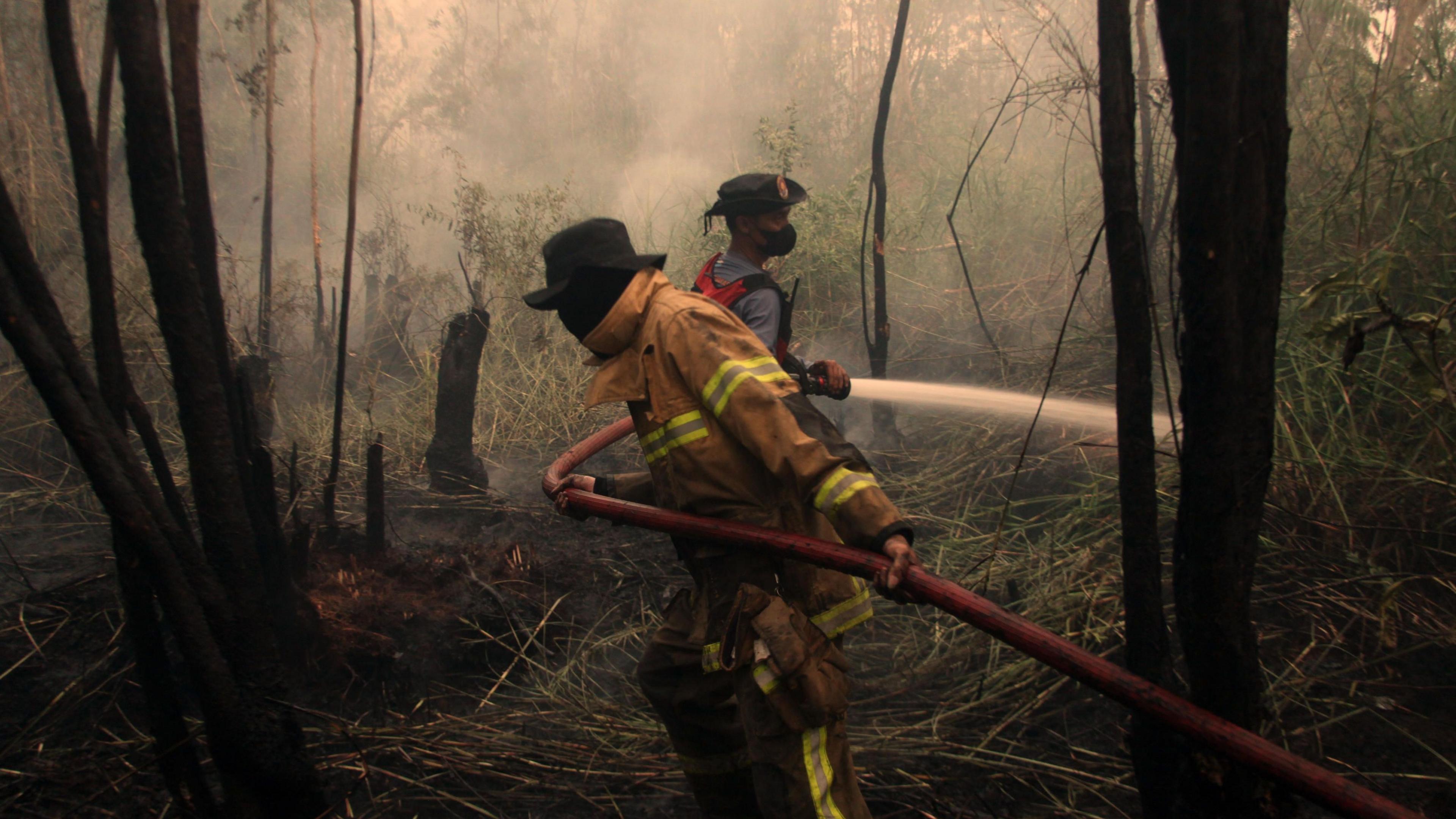
According to the Canadian Wildland Fire Information System, 858 fires are actively burning, 30 of which ignited Thursday alone. The majority are still out of control, concentrated in Ontario, Quebec and the Atlantic provinces—regions that have historically seen fewer and smaller fires.
Air‑quality alerts have been issued for cities such as Chicago, Grand Rapids, Pittsburgh, and Toledo. In New York, Gov. Kathy Hochul declared a “very serious health situation”. Residents in the city have been encouraged to stay indoors, wear masks, and rely on city‑wide cooling centres and free KN95 masks.
The slow change in wind direction is expected to gradually lift pollution levels in the southern U.S. this week, though thunderstorms in Ontario are unlikely to clear the haze promptly, leaving northern states exposed until the weekend.
Wildfires are a natural part of Canada’s boreal forest ecology, but experts say they have become more frequent since 2015 due to climate warming and atmospheric drying. Dr. Laura Chasmer of the University of Western Ontario notes that the fires now cluster further east, stressing firefighting resources and increasing the risk to populated areas.
In response to criticism from U.S. lawmakers, Prime Minister Mark Carney emphasized that both nations share a responsibility to combat climate change. He cited ongoing communication with provinces and local communities to manage the blazes.
The Ontario Premier, Doug Ford, assured that over 150 fire crews are campaigning to contain the blaze. "We will spend whatever it takes," he said, while denying criticism of the government's handling of the fires.
• Key statistics: 858 active fires in Canada; hazardous air quality alerts in Detroit, Toronto, New York, Chicago, and Pittsburgh; 150+ fire crews deployed in Ontario; smoke reaching New Jersey ahead of a World Cup final.• Impact on communities: Evacuations for First Nations communities in northern Ontario; cancellation of outdoor events across the U.S.; increased demand for shelters and masks.
For more on the unfolding crisis, follow updates on forecasts of air quality and the response of both Canadian and U.S. governments to this unprecedented wildfire season.