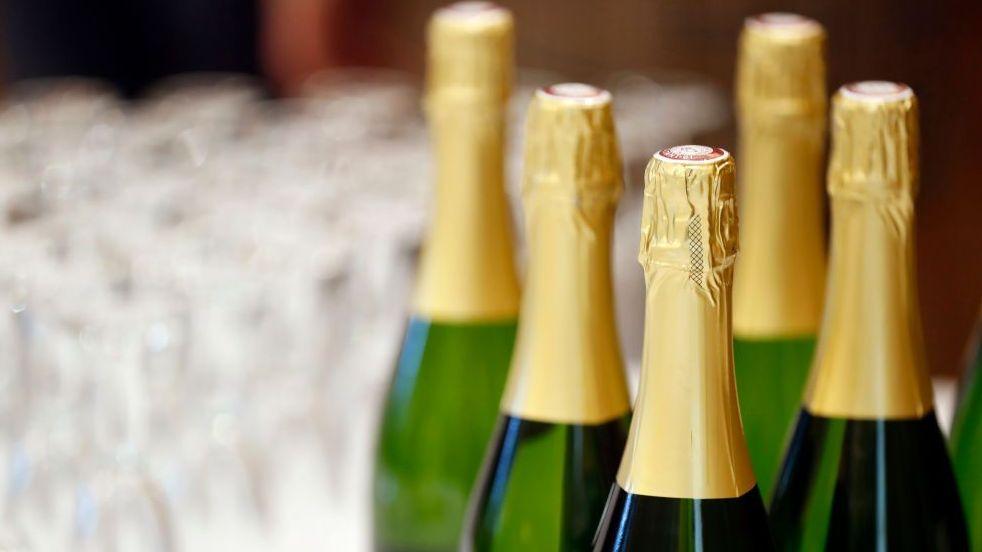
Heatwaves Make Champagne Stricter
The summer of 2026 was hotter than any French Champagne cellar has ever seen, and the result was a temporary lift on the region’s safety‑regulated alcohol content of 13 % to as high as 15 % in a steady stream of bubbly on the market.
In an environment that jammed millions of tonnes of sugar into ripe grapes, winemakers found that yeast would naturally convert that sugar into a higher alcohol output during the second fermentation, the step that turns Champagne into a sparkling effervescence.
According to the Comité Champagne, the 2026 harvest began in mid‑August – the earliest ever recorded – and the heat, combined with a severe spring frost and five heatwaves, pushed farmers and regulators to a short‑term regulatory relaxation.
The change, stipulated by a spokesperson for the Comité, will only affect a very small number of bottles. “A very small number of wines from this harvest could have slightly exceeded the regulatory limit of 13%, reaching around 13.1% or 13.2%, so we temporarily raised the cap to 15% for this year,” she said.
Stéphane Vignon, a Verzenay producer, warned in the Times that “the Mediterranean climate is moving north. This is year one of a new cycle – it will not be every year, but it will happen again.”
Wine columnist Jane Anson cautioned that the higher‑strength Champagne will not be an obvious selling point. She said, “Today people increasingly prefer lower‑alcohol wines, and the battle between what consumers want and what nature provides must be very stressful for producers.”
While the 2026 vintage isn’t expected to reach retailers until 2028 – after a minimum 15‑month ageing period – the forced sale of higher‑proof bottles could foreshadow a shift in the wine supply chain as hotter summers become common, according to Maxime Toubart, co‑chair of the Comité.
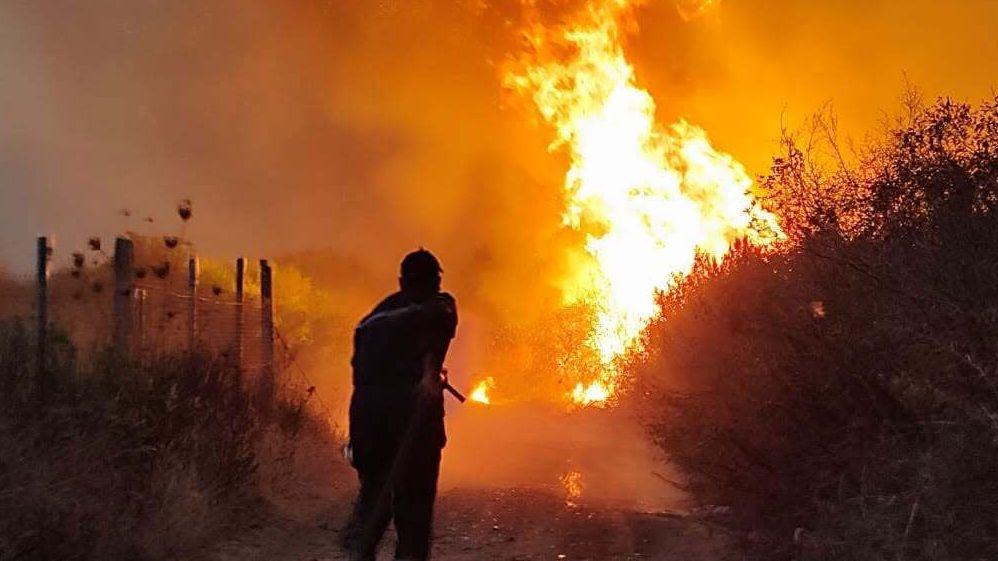
Climate commentators noting that Europe is now warming twice as fast as the global average flag the region’s sensitivity to heatwaves, wildfires and drought as part of a bigger trend that could permanently alter vineyard calendars.

For more on how climate change is impacting food and wine, see related coverage at BBC News Europe and BBC Wildfires Blog.