Eternal Snow of Papua’s Sudirman Range Vanishes Amid Climate Change
In the green, equatorial kingdom of Papua on the island of New Guinea, a mountain shrine keeps its snow‑covered peaks a source of scientific gold. But the glaciers that have sat there for centuries are melting at a frantic pace, leaving scientists and indigenous communities scrambling to record what remains.
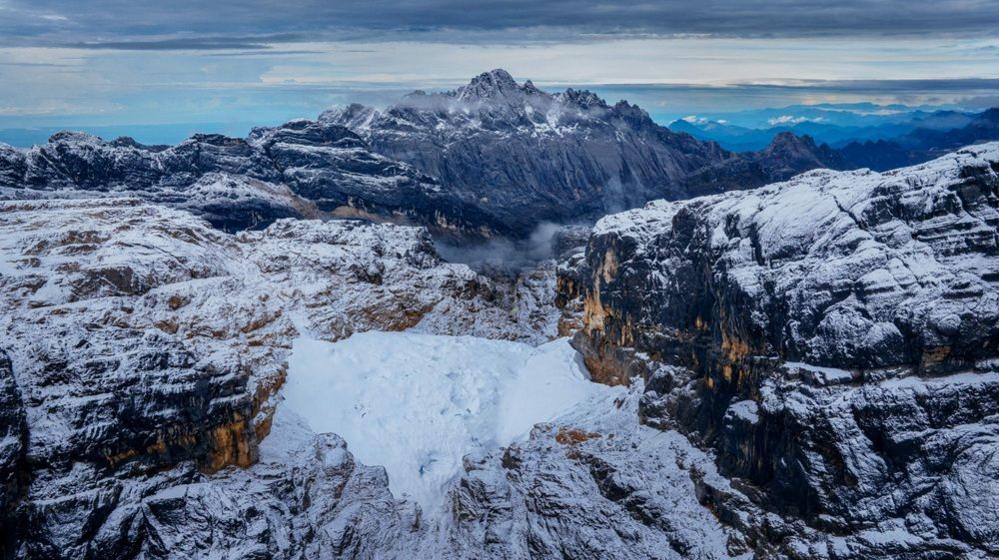
Rapid Retreat: The 300 km stretch of the Sudirman Range once wore a blanket of snow on all four main summits. Today, only a sliver around Carstensz Pyramid (Puncak Jaya) still receives any ice, and those traces are slated to vanish in one to two years. The glacier area has collapsed from almost 1,900 hectares in the 1800s to a mere 16 hectares now – a 95 % loss recorded by drone and 3‑D mapping between 2000 and 2025.
Scientific Treasure: Researchers drill ice cores that store centuries of atmospheric data, revealing past climates and helping model future change. The loss of these cores means a permanent gap in our understanding of tropical climates and the behavior of the warm Pacific Warm Pool.
Climatic Drivers: Warming from fossil‑fuel emissions pushes the freezing line higher, turning snowfall into rain. El Niño events speed up this shift. Even a modest temperature rise can change the fate of glaciers perched just 450 km from the equator.
Cultural Loss: For the Moni, Amungme, and other tribes, Puncak Jaya is a living symbol of moral integrity and ancestral protection. With the ice gone, these communities feel as if a foundational root is being uprooted, threatening identity and tradition. The comparison to the potential destruction of Mecca or the Vatican underscores the gravity of their loss.
Broader Disruptions: Mining projects around present-day glaciers have already carved roads and altered valleys. While providing jobs, the Grasberg mine and others have sparked environmental degradation and displaced many indigenous livelihoods. The melting glaciers now add another layer of ecological collapse to this complex landscape.
Answering the call of urgency, scientists Klaus Thymann and Marie Šabacká are racing to digitize every remaining ice packet before it disappears, using 3‑D aerial scans to produce a comprehensive model of the region’s diminishing freeze. Their findings serve as stark evidence that “eternal” may be a name not a promise, and that climate change is reshaping not only the physical but also the cultural world.