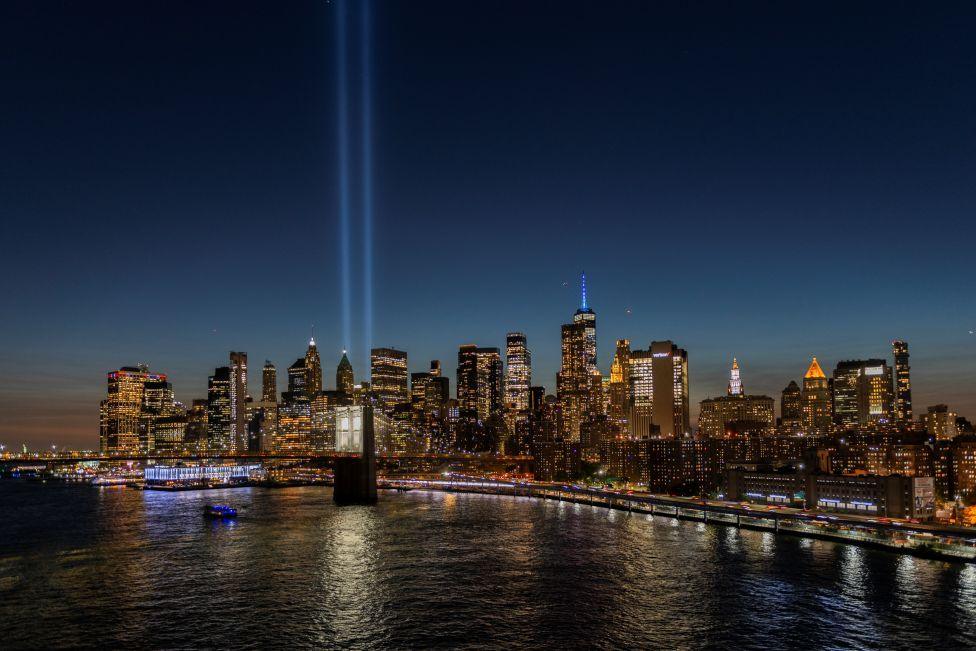
Twenty‑five years after the September 11 attacks, the United States is still holding a trial for the alleged mastermind of the attacks, Khalid Sheikh Mohammed, at Guantanamo Bay. The case has been stalled by years of pre‑trial hearings, allegations of torture and a controversial plea deal that has denied a public trial to the families of the victims.
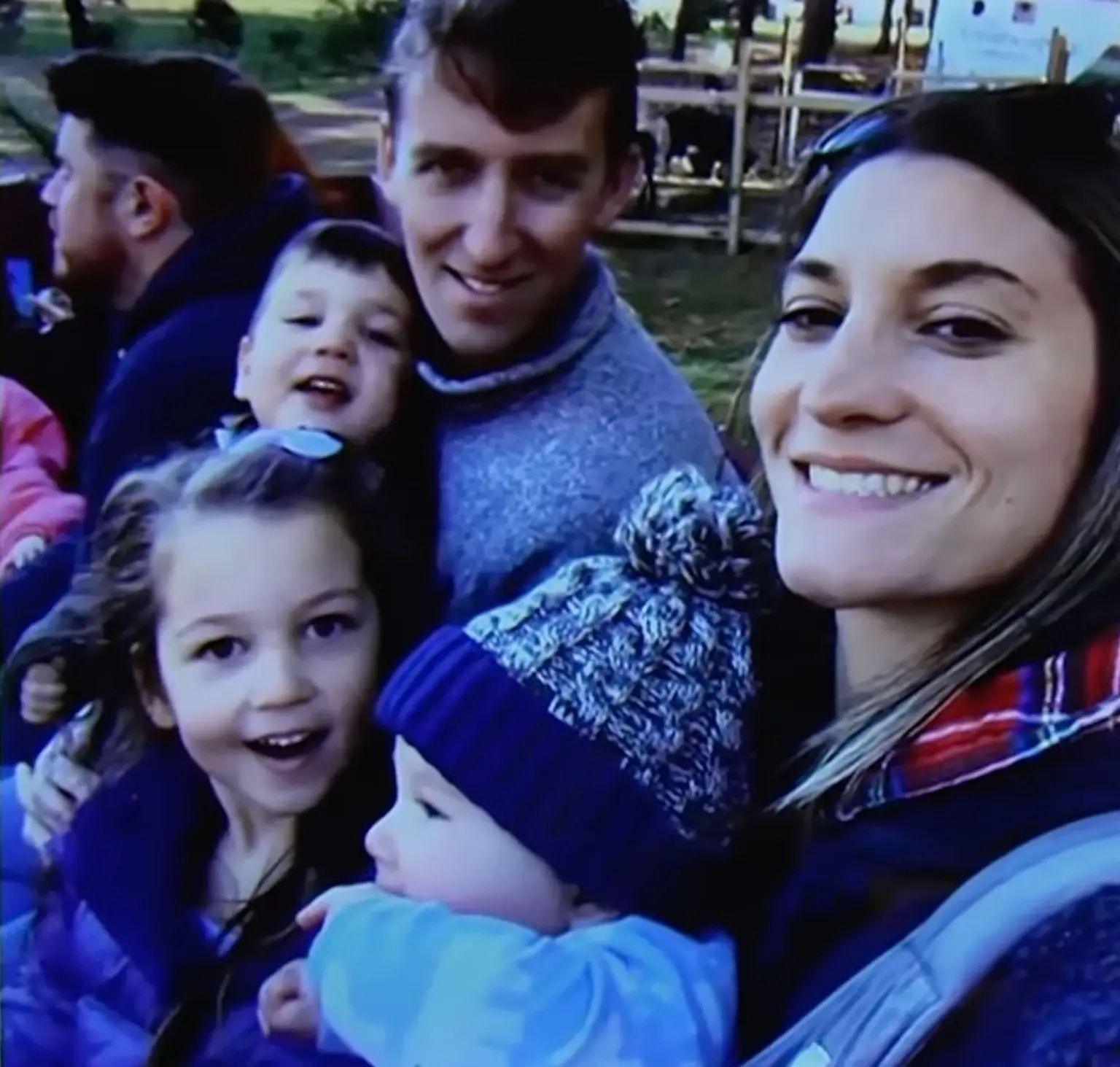
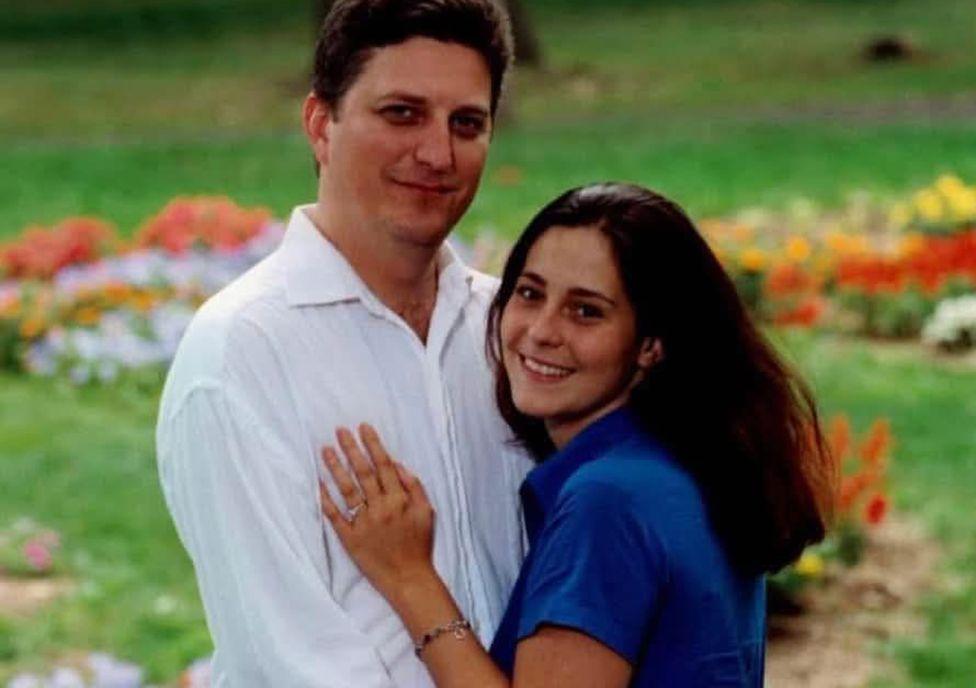
John Resta and his wife Sylvia, who were on the 92nd floor of the North Tower on the day of the attacks, were among the almost 3,000 people killed when the hijackers flew planes into the Twin Towers. Resta has travelled to Guantanamo four times to watch the proceedings, describing them as "laborious and tedious". His wife was seven months pregnant, and they had been preparing a nursery for the unborn child at the time of the hijackings.
"After all this time, it still chokes me up," Resta said. "It was almost constantly on my mind."
The pre‑trial process has been so prolonged that five different military judges have presided over it. A military judge recently set a trial date for Mohammed for June 2028, but the ruling also threw out confessions made by Mohammed to FBI agents at Guantanamo and described them as evidence obtained through "extraordinary physical and mental abuse".
Relatives of victims, including Stephan Gerhardt, who travelled to Guantanamo in early 2025, argue that torture of the defendants has blocked their right to justice. Gerhardt stated, "I want to concentrate on the memories … I still have Ralph's car. I am trying to restore it and get it in pristine shape again… The emotion behind it is that it's just some old stuff, but it belonged to my little brother."
The plea offer that the U.S. government had attempted to secure for Mohammed and two co‑defendants was paused at the last minute because prosecutors feared that denying a public trial could cause "irreparable" harm to the public. The debate over the validity of the deal continues, with some families supporting it as a way to secure convictions and others arguing that the full trial is essential for transparency and closure.
Brett Eagleson, whose father was killed on the attacks, said the situation at Guantanamo was a "mess" and he declined to attend the pre‑trial proceedings. "My overall feeling is a sense of betrayal from the U.S. government and a sense of extreme frustration," he told the BBC. "They've botched every single part of this trial."
Despite the passage of time, many families continue to view 9/11 as more than a historical event. As the trial approaches, victims’ relatives expect the proceedings to last about a year. If a public trial finally takes place, it could bring a end to the unresolved grief that has lingered for a quarter of a century.