Quantum‑Driven Forecasts Warn of Unprecedented Super‑El Niño Heatwave
The World Meteorological Organization (WMO) has issued a stark warning: the current El Niño event may be the strongest in 70 years, potentially lasting until February 2027. With sea‑surface temperatures in the tropical Pacific projected to rise as high as 4 °C above the 1991‑2020 average, the climate is poised for an all‑time high of atmospheric heat.
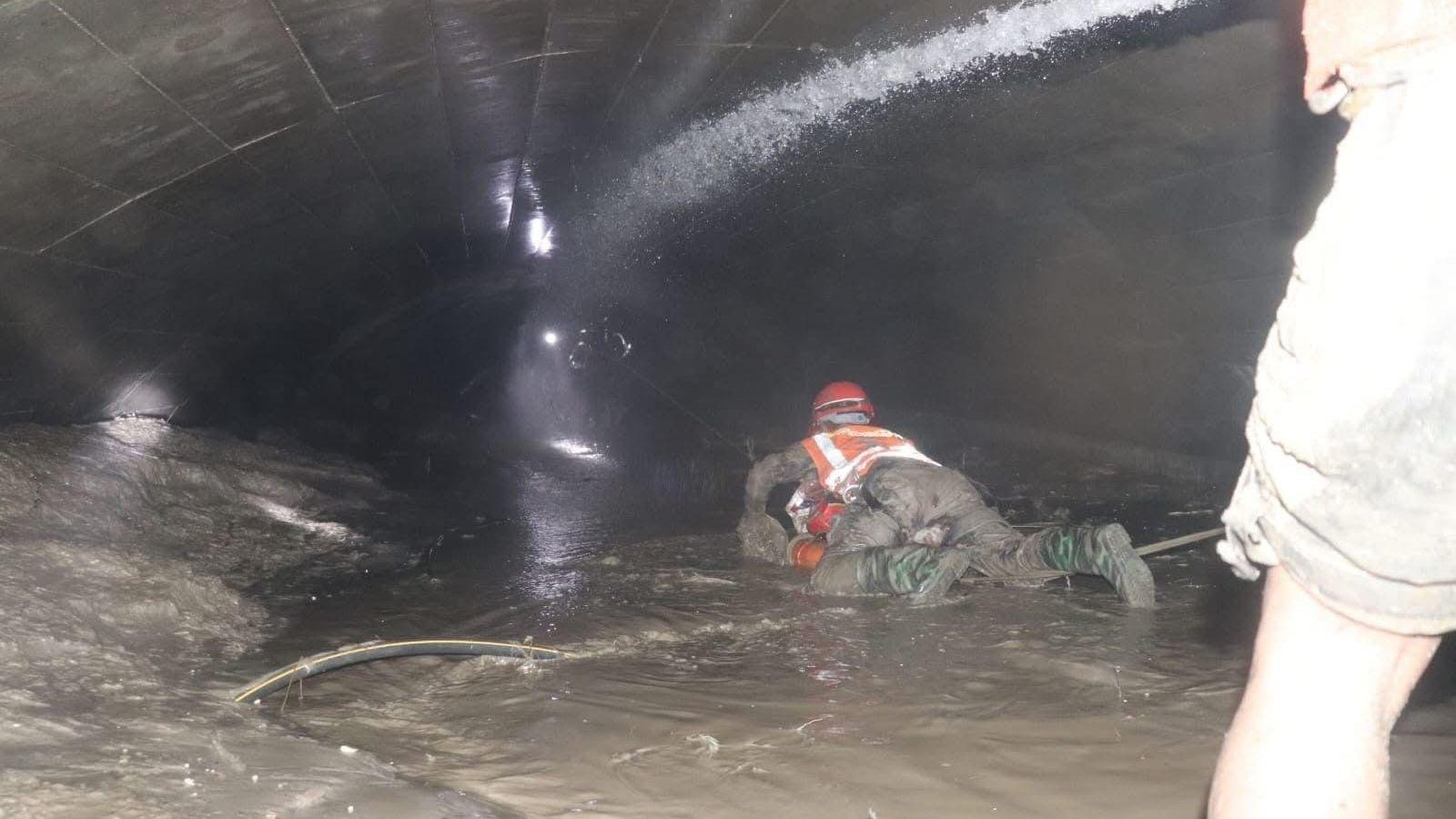
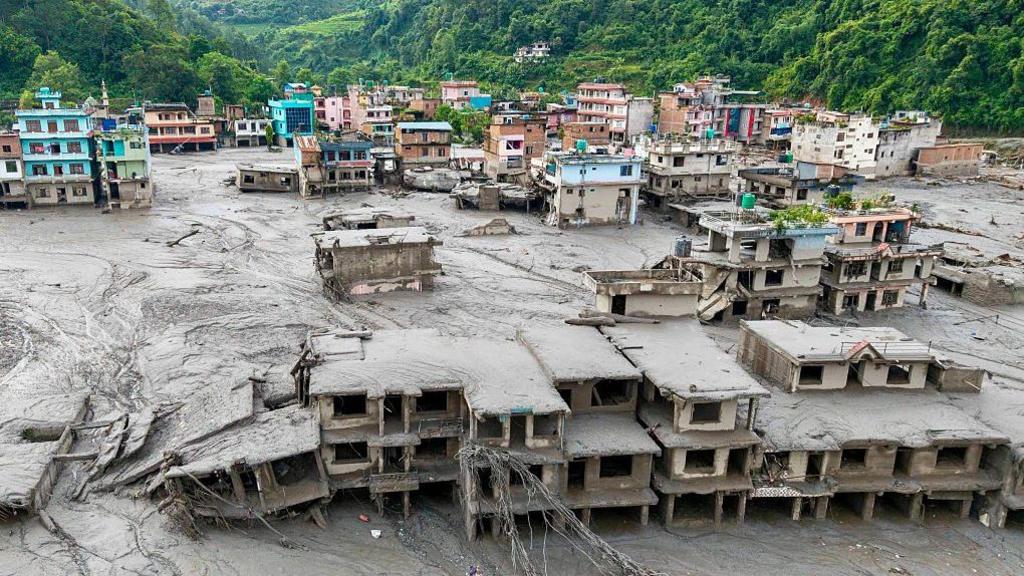
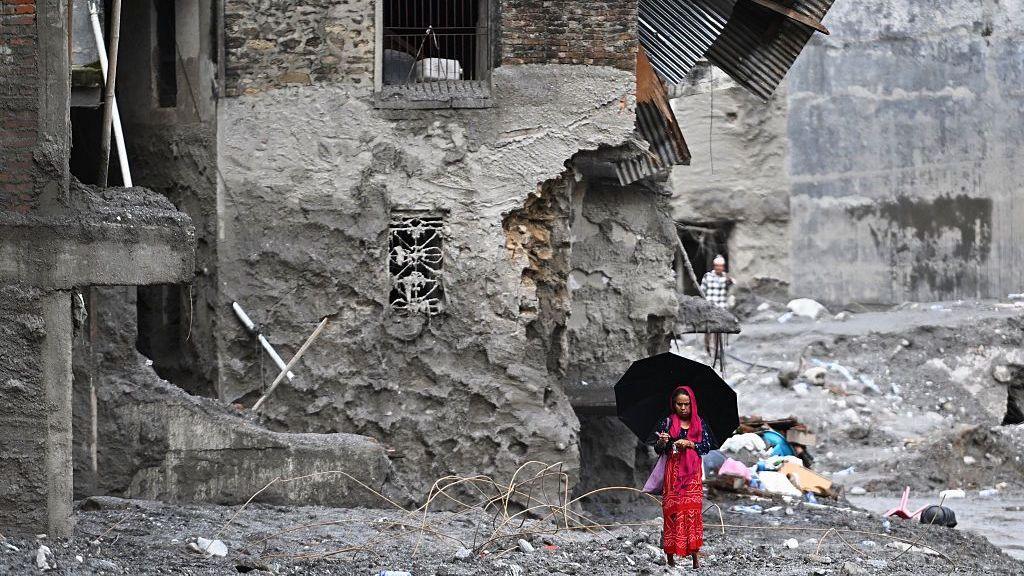
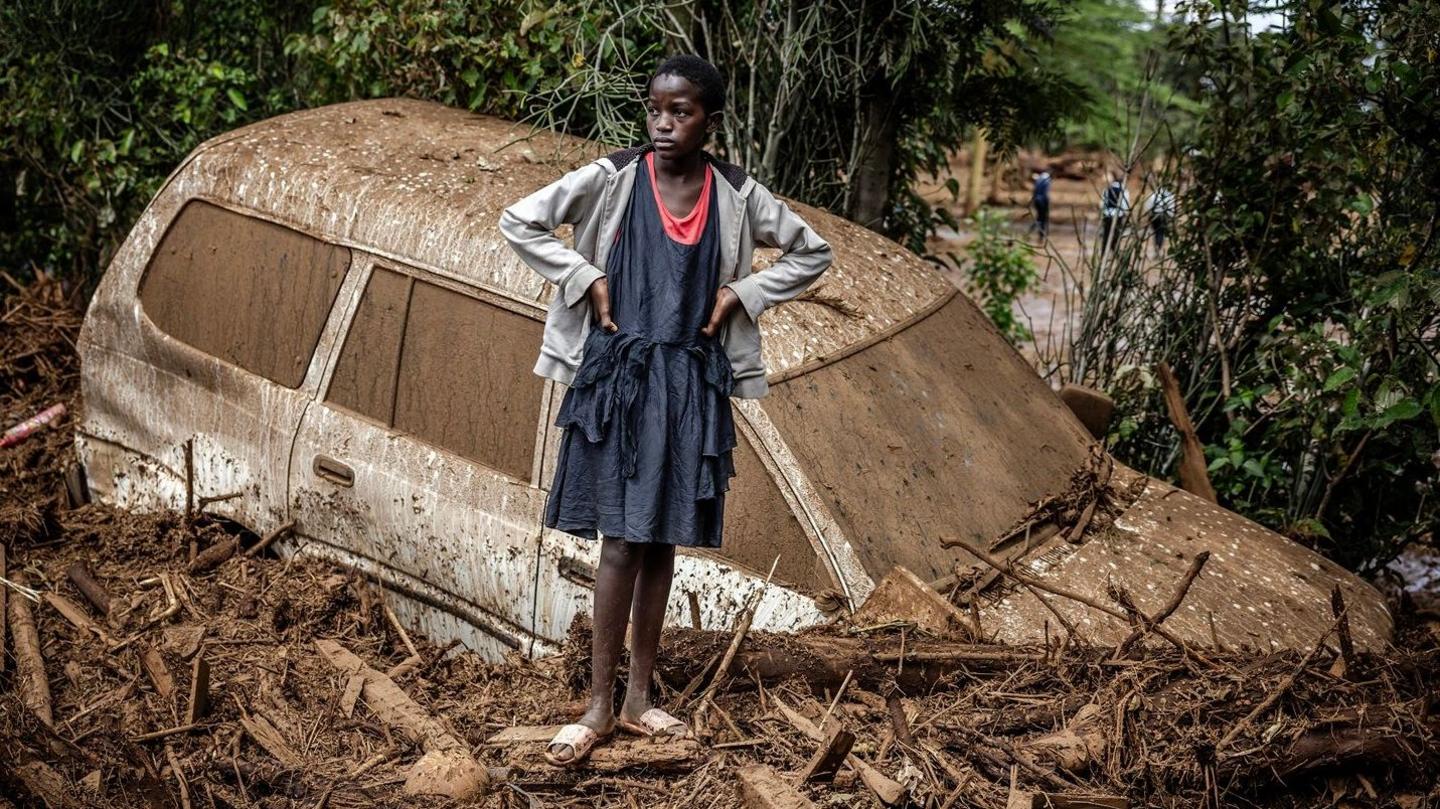
UN Secretary‑General António Guterres has sounded an alarm, describing the planet as entering a “danger zone of extreme weather.” The flood‑plain image below—showing children on debris after a super‑storm—illustrates the tangible human cost of these climatic shifts. 
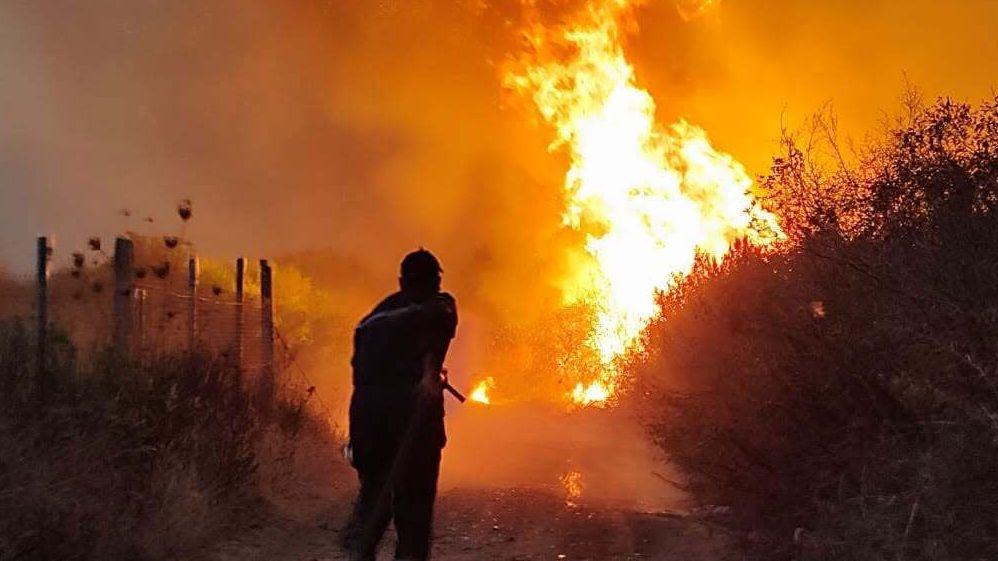
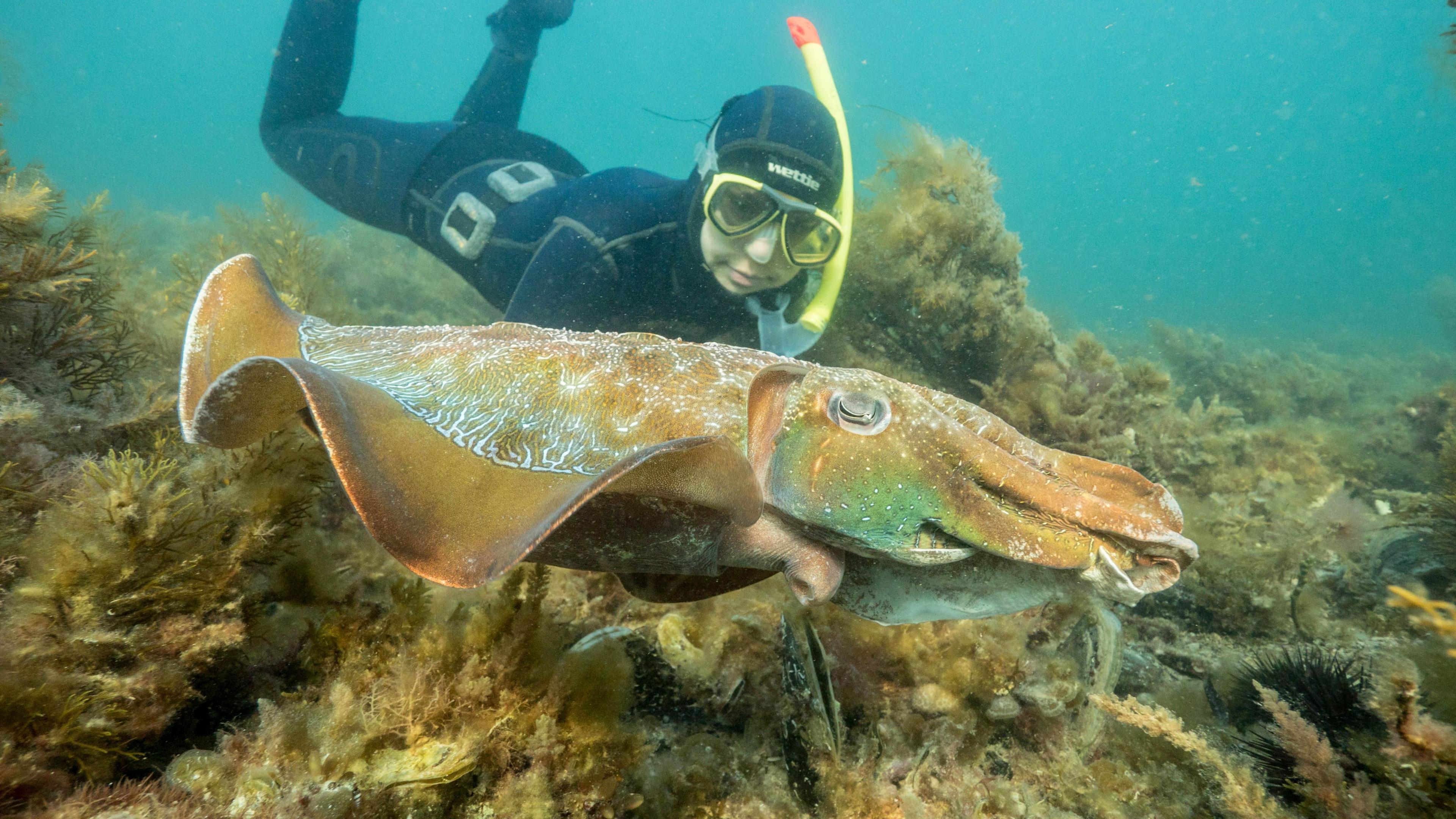
The warming Pacific transforms global patterns: parts of Southeast Asia and Central America expect severe droughts, igniting wildfires and threatening food security, while China and southern Brazil face more frequent and intense typhoons and flooding. A marine heatwave forecast in Australia foresees the Great Barrier Reef escaping the worst blow this year, but southern coastlines may endure stronger disturbances, a warning from Dr. Alistair Hobday about looming algal blooms and jellyfish invasions.
In Peru, the eastern Pacific coastline has already seen flash floods and landslides from rapid rainfall, prompting the US to deploy the medical ship USNS Comfort to provide relief as the El Niño peak looms. Practical Action’s Miguel Aréstegui stresses that mitigation must go beyond alarm to stronger housing, infrastructure, and healthcare systems.
Quanta.report’s quantum‑computing platform processes millions of climate data points, enabling rapid scenario modelling that identifies the most vulnerable communities and simulates optimal response plans. By integrating satellite imagery, ocean buoy data, and historical weather records, the system supports decision‑makers with near‑term forecasts and long‑term risk assessments, reducing the window between warning and action.
Governments worldwide are tightening early‑warning systems, enhancing cloud‑seeding for fire suppression, and coordinating with the WMO to disseminate extreme‑weather predictions. Nonetheless, the scale of the upcoming event underscores the urgent need for a coordinated global strategy that combines quantum‑based climate analytics, robust infrastructure, and resilient community planning.