The fentanyl crisis continues to wreak havoc on American society, revealing the dark underbelly of a highly lucrative drug trade that thrives along the US-Mexico border. Inside a nondescript safe house in Mexico, operations run by a cartel steadily infiltrate American streets, with devastating consequences.
Jay, a pseudonymous dealer based in Los Angeles, illustrates the ever-present demand for fentanyl. Witnessing firsthand the logistics behind shipments, Jay discusses the preparations made by cartel operatives as they rigorously conceal synthetic opioids, stashing them cleverly in fuel tanks to evade detection by authorities.
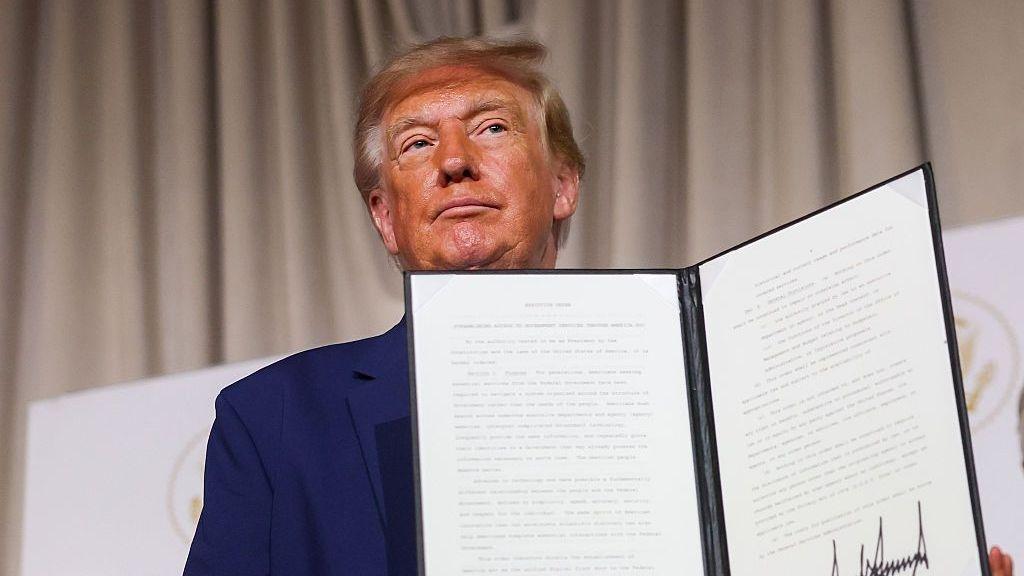
The opioid epidemic has reached alarming proportions in the US, igniting debates surrounding governmental policies. The Trump administration identified fentanyl smuggling as a catalyst for increasing tariffs on goods from Mexico, aiming to mitigate illegal drug trafficking and halt the flow of narcotics. Jay, however, remains skeptical about any positive outcomes stemming from this approach. "There's always going to be a demand," he remarks, noting the drug's current price drop in LA—a reflection of its overwhelming supply.
Fentanyl, a synthetic opioid reported to be significantly more potent than heroin, has overtaken the market due to its ease of production and transport. The staggering statistics paint a grim picture: in the past year, the US has seen approximately 87,000 overdose deaths linked predominantly to opioids. Despite signs of decline in fatalities, the pandemic of addiction continues to claim lives across the nation.
In Mexico, governmental efforts to combat drug trafficking have been intensified. President Claudia Sheinbaum has mobilized National Guard troops to the border and made notable arrests in Sinaloa, the heart of drug operations. Meanwhile, authorities have also restricted the import of crucial fentanyl precursors, which might reduce the strength of pills and possibly save lives.
Despite these developments, the realities on the ground tell a different story. American citizens often act as couriers for the cartels, with dealers like Jay and drivers like Charlie illustrating a troubling indifference to the suffering caused by their trade. The demand remains insatiable, feeding the cartels as they relentlessly pursue profit—often at the cost of countless lives.
On the frontlines, individuals like Rosalind Pichardo are grappling with the fallout of the opioid epidemic. At her drop-in center in Kensington, Philadelphia, she chronicles the overdose reversals made possible through Naloxone, a drug that saves lives but underscores the magnitude of the crisis. With her methodical documentation, she emphasizes the urgency for a supportive and understanding approach to those struggling with addiction.
Though Pichardo fights valiantly against the tide of addiction in her community, she recognizes that simply disrupting the supply of fentanyl will not solve the underlying issues driving the crisis. "When one drug is cut off, another emerges," she asserts, emphasizing the cyclical nature of addiction and the need for a more comprehensive understanding of the crisis.
As the terrain along the border continues to evolve, the battle against fentanyl highlights the intertwined fates of communities across North America. Law enforcement efforts, political rhetoric, and grassroots initiatives must all converge to confront the enormity of the opioid epidemic—a fight that resonates far beyond the confines of cartel-run safe houses in Mexico.