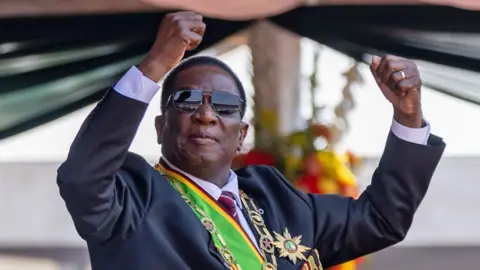

EPA‑EFE
Zimbabwe’s lower house of parliament has approved a constitutional amendment that will extend the presidential term from five to seven years, allowing President Emmerson Mnangagwa to remain in office until 2030.
The bill passed with 216 votes in favour, exceeding the required two‑thirds majority, while 42 lawmakers opposed it. The amendment also abolishes direct presidential elections and transfers the task of electing a new president to the parliament.
Key provisions include:
- Scrap of direct presidential elections.
- Parliament elects the president.
- Extension of presidential and parliamentary terms to seven years.
- Delay of the next parliamentary election from 2028 to 2030.
- Presidential term extensions for Mnangagwa, whose first term began in 2017.
The move comes after a campaign by the ruling Zanu‑PF coalition, which has been in power since independence, and follows Cabinet approval in February.
Opposition parties, civil society groups and constitutional lawyers argue that a national referendum should have decided such structural changes. They worry the amendment weakens democratic accountability and could entrench Mnangagwa’s rule.
Zimbabwe’s Constitutional Court has already dismissed a legal challenge that sought to block the bill, and the amendment is now heading to the Senate for further approval before it can be signed into law.