Countries across Africa are taking measures such as diluting petrol and restricting electricity consumption to cope with the fuel crisis triggered by the US and Israel's war in Iran. South Sudan has started to ration electricity in its capital, Juba, while Mauritius has imposed restrictions to reduce wastage especially in high-power consumption areas.
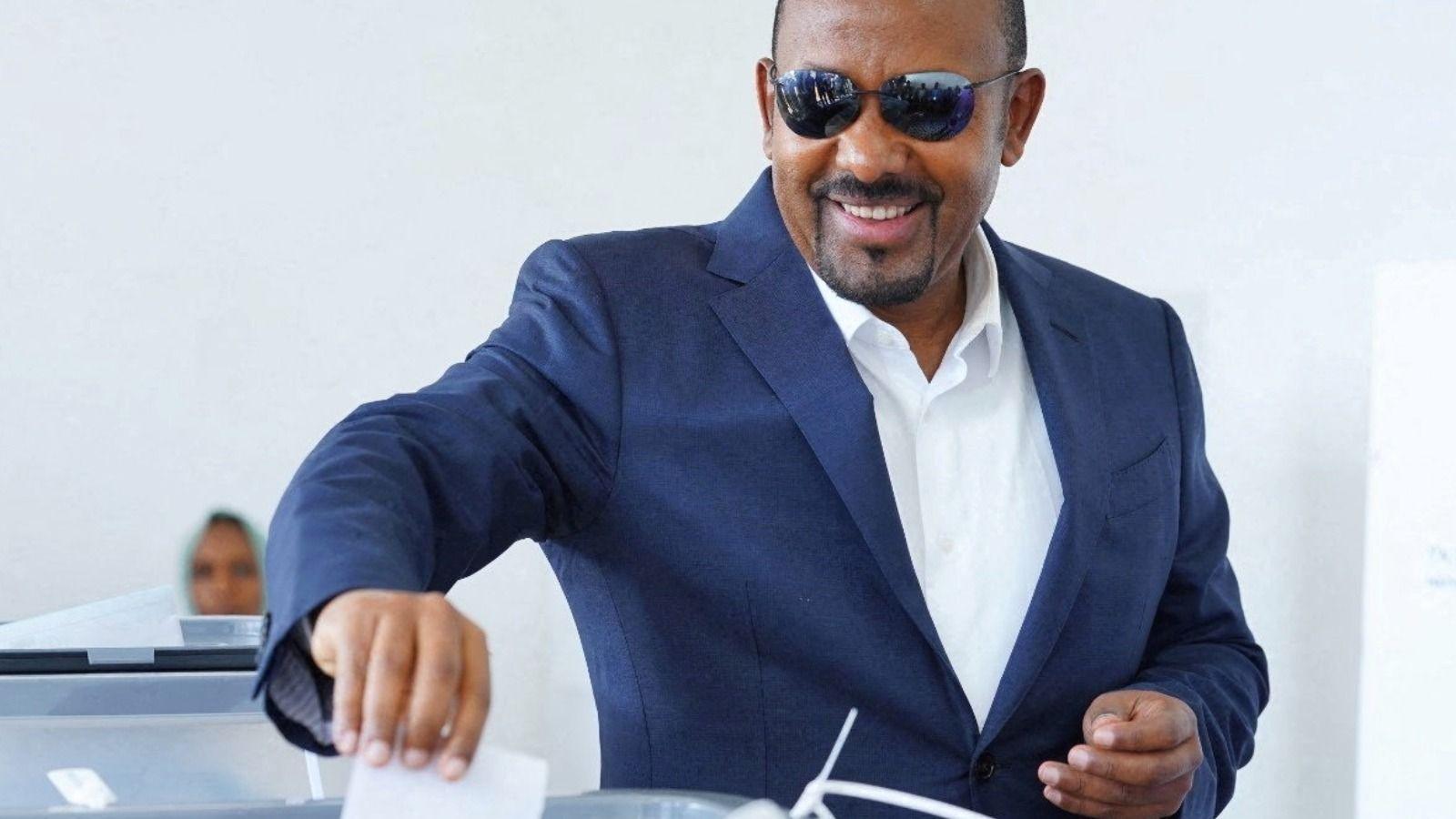
As governments scramble to find alternative sources of fuel, Ethiopian authorities have ordered suppliers to prioritize specific sectors such as security, while Zimbabwe is increasing the ethanol content in its petrol. However, some nations such as Nigeria and South Africa could potentially benefit from new business as a result of the conflict.
South Sudan holds some of East Africa's largest oil reserves but imports the refined products needed for fuel. The ongoing power rationing is compounded by intermittent electricity cuts that have plagued the country due to maintenance operations. Juba’s main electricity distributor, Jedco, indicated that parts of the city will start experiencing daily power cuts on a rotational basis in light of the conflict.
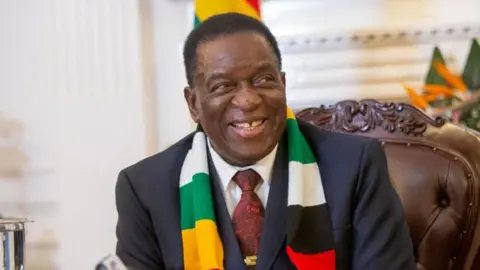
In Mauritius, reliant on oil imports for electricity generation, a recent shipment delay raised alarms regarding an energy emergency, leading the government to seek higher-cost alternatives from Singapore. Zimbabwe’s government is addressing rising fuel prices by increasing ethanol content in petrol and scrapping some import taxes.
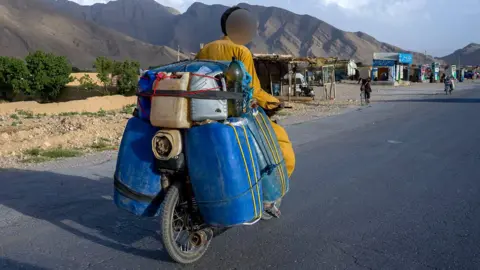
Street vendors in Harare report significant increases in transportation costs, which they are unable to relay to their customers, further straining their businesses.
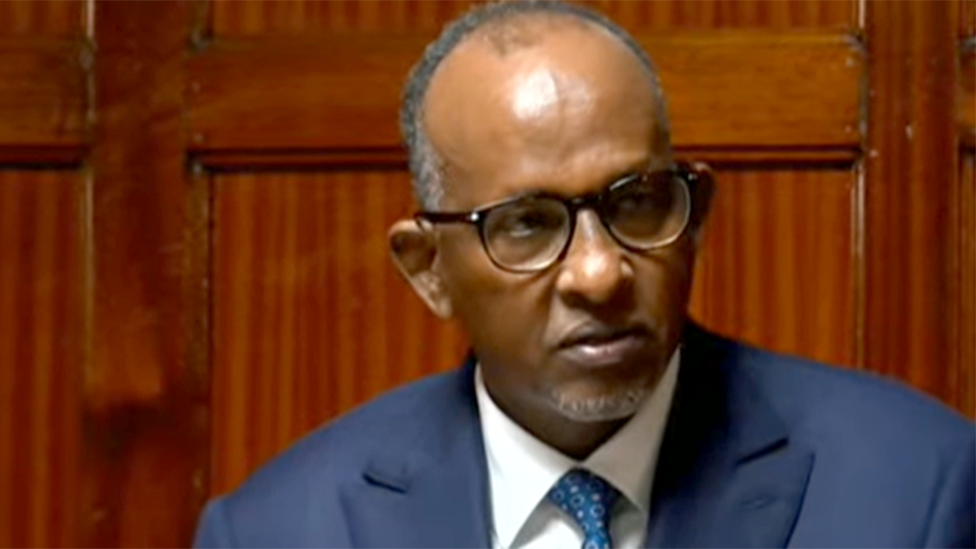
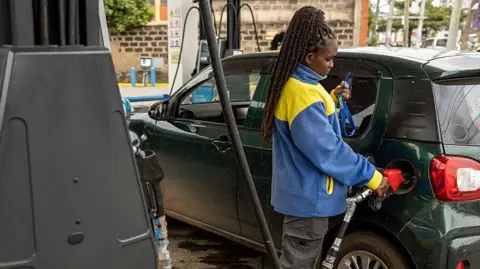
Ethiopia has restricted fuel supply prioritization to essential sectors, while Kenya is experiencing supply issues due to panic buying among consumers. Each country's response reflects a combination of resource management and economic survival amid a complex geopolitical crisis.
As governments scramble to find alternative sources of fuel, Ethiopian authorities have ordered suppliers to prioritize specific sectors such as security, while Zimbabwe is increasing the ethanol content in its petrol. However, some nations such as Nigeria and South Africa could potentially benefit from new business as a result of the conflict.
South Sudan holds some of East Africa's largest oil reserves but imports the refined products needed for fuel. The ongoing power rationing is compounded by intermittent electricity cuts that have plagued the country due to maintenance operations. Juba’s main electricity distributor, Jedco, indicated that parts of the city will start experiencing daily power cuts on a rotational basis in light of the conflict.
In Mauritius, reliant on oil imports for electricity generation, a recent shipment delay raised alarms regarding an energy emergency, leading the government to seek higher-cost alternatives from Singapore. Zimbabwe’s government is addressing rising fuel prices by increasing ethanol content in petrol and scrapping some import taxes.
Street vendors in Harare report significant increases in transportation costs, which they are unable to relay to their customers, further straining their businesses.
Ethiopia has restricted fuel supply prioritization to essential sectors, while Kenya is experiencing supply issues due to panic buying among consumers. Each country's response reflects a combination of resource management and economic survival amid a complex geopolitical crisis.