In brief
Countries in Africa are facing an energy crisis due to the ongoing war in Iran, with South Sudan and Mauritius announcing electricity rationing. Zimbabwe has increased ethanol content in petrol to mitigate fuel shortages. The situation is exacerbated by delays in oil shipments and rising fuel costs, forcing governments to seek alternative energy sources and implement emergency measures.
As the US-Israel war in Iran escalates, its repercussions are being felt far beyond the Middle East, particularly in Africa, where nations are grappling with growing energy and fuel crises. Countries such as South Sudan and Mauritius are introducing measures to manage electricity consumption amid shortages triggered by the conflict.
In South Sudan, the capital Juba is experiencing rationed electricity supply, with daily power cuts now common. The city's main electricity distributor, Jedco, stated that a strategic approach to rationing was necessary due to limited energy reserves amid the ongoing conflict.
Mauritius, reliant on oil imports for electricity generation, is also facing an energy emergency after a delayed oil shipment left the country with just 21 days of supply. To address the situation, the government has sought alternative fuel sources from Singapore, albeit at increased costs.
Zimbabwe is responding to the crisis by increasing the ethanol content in its petrol from 5% to 20% to extend its fuel supplies and has temporarily scrapped some taxes on fuel imports to alleviate rising prices, which have surged by 40% in recent weeks.
In South Sudan, despite having abundant oil reserves, the country relies heavily on imported refined products for fuel, necessitating ongoing measures to cope with the power supply issues that have worsened since last May.
Reports indicate that local businesses are struggling under the weight of high transportation costs, as detailed by street vendor Nicole Mazarura in Harare, who noted that her transport expenses have doubled due to fluctuating fuel prices. This situation is prevalent across various sectors in the region.
In response to the fuel crisis, Ethiopia has mandated fuel supply companies prioritize security institutions and essential industries, while Kenya is facing stock shortages at about 20% of its petrol stations amid increased panic buying.
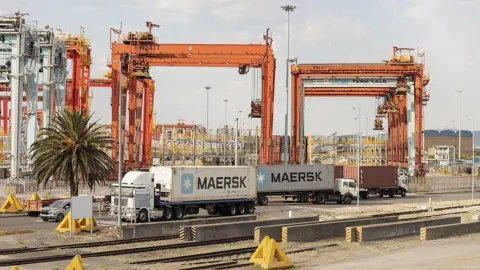
While Uganda assures its citizens of adequate fuel, South Africa's officials claim stability in supply but warn that prolonged conflicts could affect availability and prices in the long term. The war and the resulting diversion of shipping routes may present both challenges and opportunities for African ports as vessels navigate around the Cape of Good Hope to avoid the disputed waters of the Strait of Hormuz.
Countries like Nigeria, Africa's second-largest oil producer, are poised to benefit from rising global oil prices but must ensure that local economic pressures do not negate potential gains for ordinary citizens.