Zimbabwe's Parliament Extends President Mnangagwa's Tenure to 2030
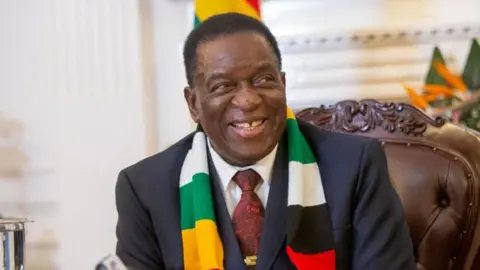
Zimbabwe’s lower house of Parliament has passed a bill that extends presidential terms from five to seven years. The move would allow President Emmerson Mnangagwa, who took power in 2017, to remain in office until 2030.
The draft legislation received the votes of 216 lawmakers, reaching the two‑thirds threshold required to amend the constitution. A total of 42 legislators voted against the proposal, while 42 abstained, according to the Speaker of Parliament Jacob Mudenda.
Key elements of the amendment include the removal of direct presidential elections, the election of future presidents by Parliament, a schedule that shifts parliamentary elections from 2028 to 2030, and an extension of both parliamentary and presidential terms to seven years.
Opposition parties, civil society groups and constitutional lawyers argue that such sweeping changes should be decided by a national referendum, as the 2013 Constitution requires voter approval for any extension of presidential limits. Critics claim the bill risks eroding democratic accountability, while supporters argue it restores stability and continuity after years of economic challenges and contested elections.
The Constitutional Court rejected a legal challenge against the bill in a recent ruling, clearing the way for the Senate to consider its approval and for the president to sign the amendment into law.
Analysts note that the move follows a campaign by the ruling Zanu‑PF party to amend the constitution and extend term limits, a strategy backed by the cabinet since February. The changes, if enacted, will lock in Mnangagwa’s presence in Zimbabwean politics for the next two years.