In a decisive move that could reshape Hungary’s political landscape, the national parliament approved a constitutional amendment that caps any prime minister’s tenure at a maximum of two terms—or eight years in total. The change was part of a broader effort by the newly elected TISZA party, which won a two‑thirds majority in the April elections, to forestall the return of long‑time leader Viktor Orbán.
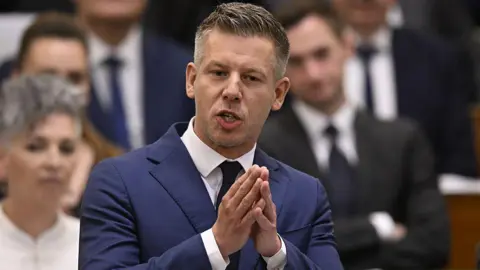
Orbán had ruled without interruption for sixteen years, until the TISZA coalition ousted him in the latest elections. The new amendment prevents any leader—including those who previously served— from exceeding two terms, even if those terms are separated by years. The law now requires only the president’s signature to be formally adopted.
The provision also revokes the existing Sovereignty Protection Office, an agency created in 2023 to guard against “foreign political interference.” That move signals the dismantling of a key tool that formerly monitored the influence of foreign interests on Hungarian politics.
Critics, including Fidesz‑aligned political director Balázs Orbán, have accused the reform as an attempt to squeeze political opponents out of democratic competition. He warned that the policy would create uncertainty for thousands of Hungarian students and educational institutions tied to the former regime.
While the amendment could theoretically be repealed by a future super‑majority, the new constitution also limits Magyar’s term as prime minister to 2034. As part of the same overhaul, a batch of state assets—particularly the Mathias Corvinus Collegium, a vocational college closely aligned with Fidesz—are slated for return to state control or funding cuts.
The changes also bolster Hungary’s Integrity Authority, an anti‑corruption watchdog, as the European Commission has conditioned the release of 16.4 bn € in pledged funding on reforms that strengthen rule‑of‑law structures. These appointments have hardened the country’s standing in the EU’s corruption rankings, where it has consistently topped the list of most corrupt members.
During the session, the prime minister marked the anniversary of the 1956 revolution’s conclusion, referring to dismantling Soviet influence. Historical gestures served as a backdrop to the fierce debate, where Balázs Orbán confronted the cabinet over student prospects and institutional futures.