The ongoing conflict in Iran is sending ripples through the global economy, affecting everything from oil prices to international trade dynamics. With the conflict escalating, various countries are beginning to feel the financial impacts, some benefitting while others face significant challenges.
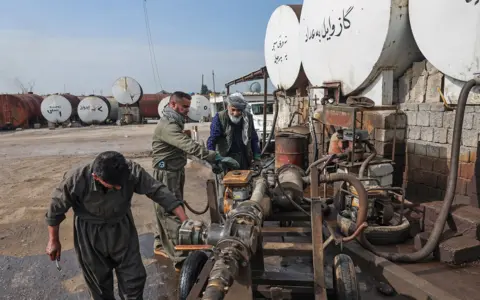
Homeowners in Yorkshire are encountering soaring heating oil prices, while in Pakistan, schools are closing to cut costs amid rising energy concerns. Tehran's responses have shown that the effects will not be fleeting, creating economic disruptions that are unevenly distributed worldwide.
The situation is starkly defined among the players within the oil market. Norway, Canada, and Russia emerge as winners, benefiting from the turmoil as countries seek alternative energy sources following disruptions in the Middle East. Particularly, Norway has ramped up its oil production following the global shift triggered by the Ukraine crisis, positioning itself advantageously in this new landscape. Canada, under the guidance of its Energy Minister Tim Hodgson, is busy marketing itself as a reliable energy provider, though the scale of production increases remains uncertain.
Conversely, Russia could see considerable financial gains as its oil exports to nations like India have surged, predicted to earn nearly $5bn more by the end of March. This unforeseen windfall undercuts the interests of traditional Gulf allies affected by conflict and sanctions.
The United States, UK, and European nations find themselves amid the ranks of the losers in this geopolitical chess game. While American oil producers may make increased revenues, the broader economic picture paints a less favorable outlook. High oil prices pose threats that could lead to economic shrinkage and burgeoning inflation, impacting household expenditures and growth rates across the board.
Additionally, Asia is heavily reliant on crude oil imports from the Middle East, with countries like South Korea facing dire economic forecasts in light of recent disruptions. As nations across the continent negotiate energy supplies and shifts, China and India have found ways to strategically navigate this crisis, securing resources despite the escalating tensions.
As the situation evolves, the ramifications of the conflict will continue to reveal themselves, promising ongoing fluctuations in the global energy market and beyond. The longer the fighting persists, the higher the stakes become, threatening to broaden the impacts far beyond the original conflict zone.