Navigating Leadership in Iran Amidst War Turmoil
The question hanging over Tehran since the opening strikes of Iran's current war with the US and Israel is simple: Who is in charge?
Formally, the answer is clear. Mojtaba Khamenei has assumed the role of supreme leader following the killing of his father, Ali Khamenei, on the first day of the war on 28 February. In the Islamic Republic's system, that position is meant to be decisive. The leader has the final word on almost anything important: war, peace, and the state's strategic direction.
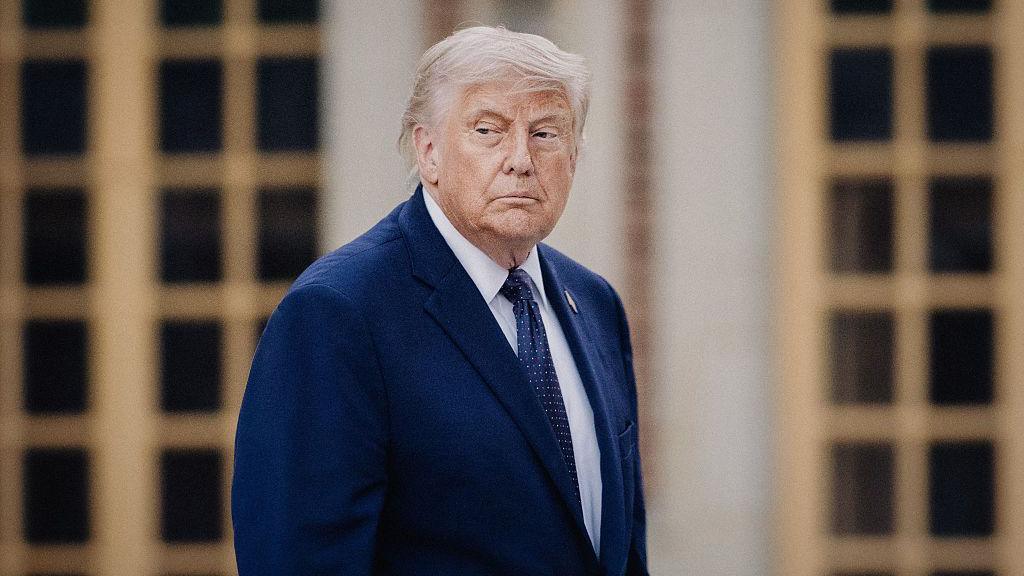
But in practice, the picture is far murkier. Donald Trump has described Iran's leadership as fractured and suggested the US is waiting for Tehran to produce a unified proposal.
Unity was certainly on the minds of Iran's leaders when they distributed a message to Iranians on their mobile phones on Thursday night saying there was no such thing as a hardliner or moderate in Iran - there was just one nation, one course.
Invisible Leader
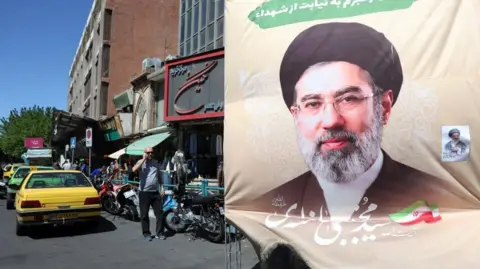
Mojtaba Khamenei has not been seen in public since taking power. Beyond a handful of written statements, including one insisting the Strait of Hormuz remains closed, there is little direct evidence of his day-to-day control.
Iranian officials have acknowledged that he was injured in the initial strikes but have offered few details. According to reports, he may have suffered several injuries that have made it difficult for him to speak.
That absence matters. In Iran's political system, authority is not just institutional - it is also performative. Khamenei's late father signalled intent through speeches and visible arbitration between factions. That signalling function is now largely missing.
Some argue that Mojtaba Khamenei's wartime elevation has simply not allowed him to establish authority on his own terms. Others question whether he is able to actively manage the system at all.
Diplomatic Channels Open but Only Just
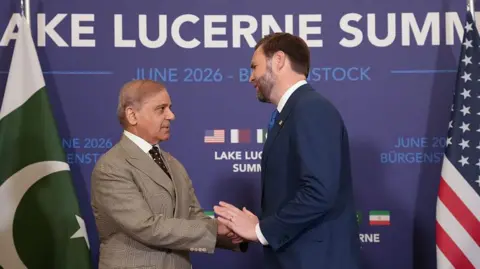
On paper, diplomacy sits with the government. Foreign Minister Abbas Araghchi continues to represent Tehran in talks, but neither appears to be setting strategy, as the Iran delegation is headed by Parliament Speaker Mohammad-Bagher Ghalibaf.
Araghchi's role looks operational rather than directive, often revealing the lack of control the diplomatic track has over military decisions.
A Military Expanding Remit
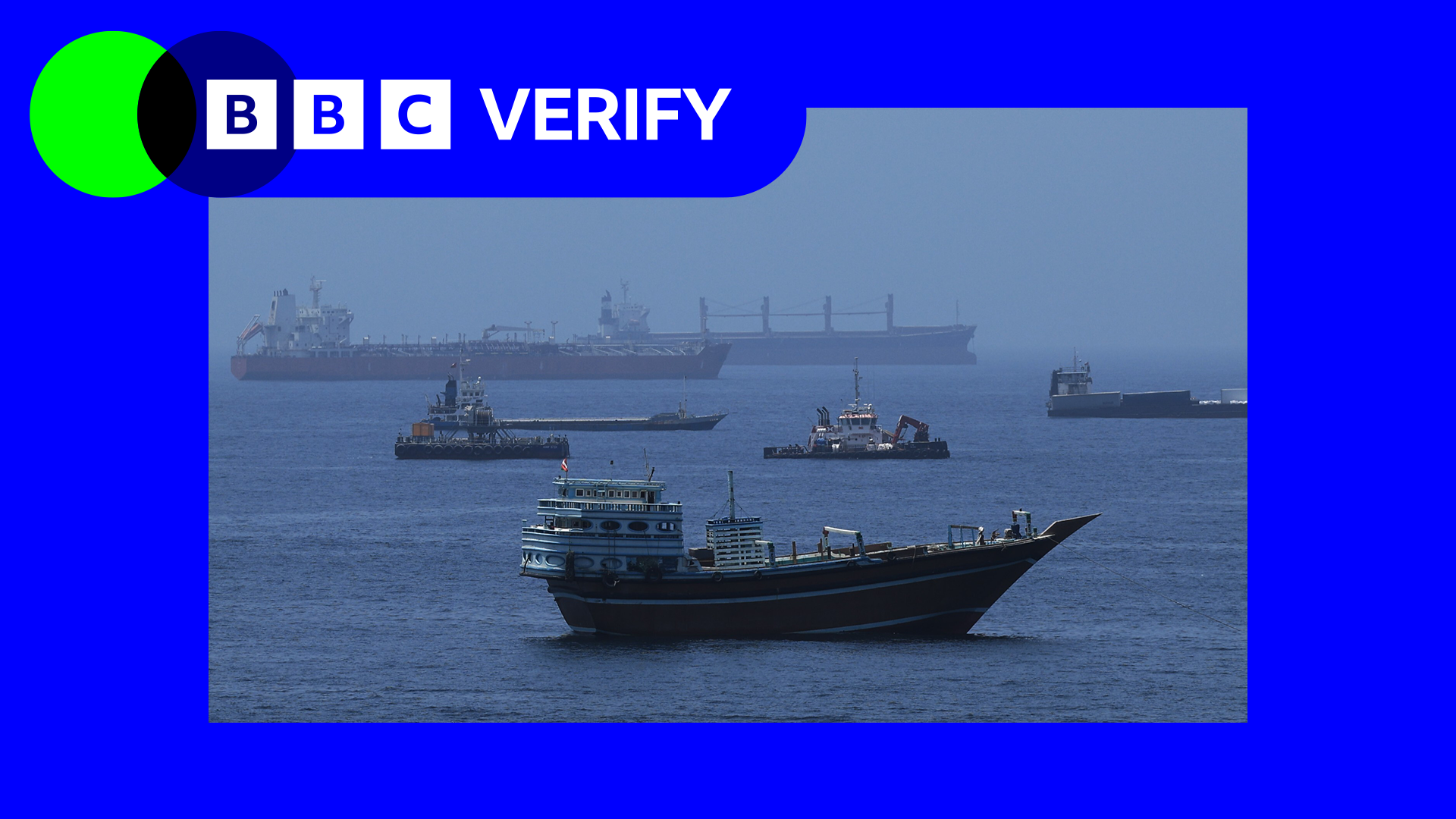
Control over the Strait of Hormuz is Iran's most immediate source of leverage. But decisions over its closure sit with the Islamic Revolutionary Guard Corps (IRGC), led by Ahmad Vahidi, rather than the diplomatic team.
This places real power in the hands of actors behind closed doors, resulting in actions often preceding coherent messaging.
Claimed or Exercised Coherence
These dynamics suggest a system functioning without coherent direction. While the supreme leader's authority exists, it is not visibly exercised. The military holds key levers, but without a clear public architect, signifying a lack of coherent strategy.
As pressure mounts, it raises the question of whether coherence is really being exercised or simply claimed. The Islamic Republic remains intact but is struggling to convert existing leverage into clear strategic action during acute pressure.