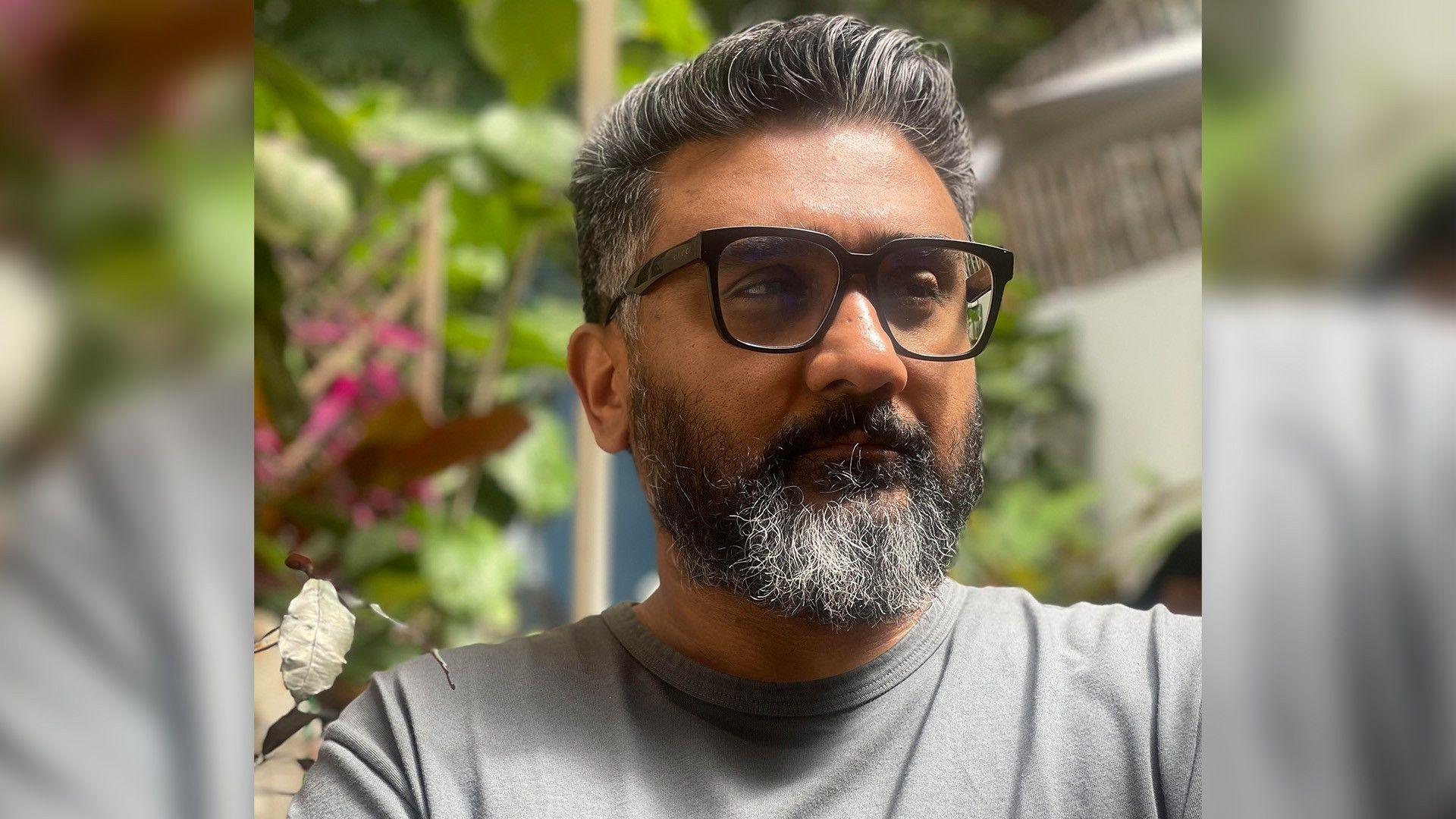
Nazakat Ali's phone rings in the evening, as it often does now. The 30-year-old tourist guide in Indian-administered Kashmir answers with the same practiced calm every time - yes, it is safe; yes, he will be there; yes, they should come. On the other end are people planning holidays to the stunning Himalayan region, known for its mountains and meadows.
There is a lot of fear, he says. We have to convince them that everything is fine. A year after militants killed 26 people in Pahalgam town - one of the deadliest attacks on tourists in Kashmir in decades - the region's tourism economy has yet to recover.
In the weeks that followed, authorities shut 48 of 87 tourist sites in the region. Visitor numbers fell sharply, from nearly three million in 2024 to under 1.2 million in 2025, according to official data. Some sites have since reopened, but Baisaran meadow - where the killings took place - remains closed.
The assault struck at the heart of a fledgling industry that has endured despite years of uncertainty. Violent acts in Kashmir have claimed thousands of lives in the past few decades, and the attack in Pahalgam added to the strain, triggering four days of military conflict between India and Pakistan.
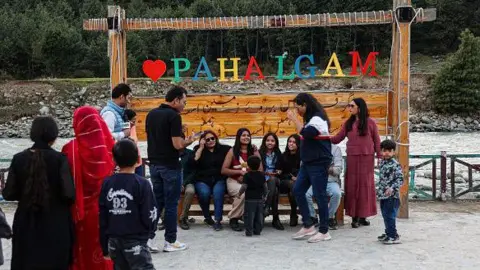
Local businesses feel the decline, as hotels and guides face a stark reality. Visitors who used to flock to Pahalgam have significantly declined, with only 259,000 tourists recorded in early 2026, down from 469,000 before the attack. The uncertainty continues to raise questions about when confidence will return to the tourism industry.
While officials maintain the security situation has stabilized, the lingering fear among potential visitors hampers recovery efforts. Officials are boosting outreach and marketing efforts to assure the public of their safety. For many in Pahalgam, a sense of normalcy is difficult to re-establish. As a reflection of the tragedy, a memorial now stands near the site of the attack, a reminder of the lives lost and the ongoing impact on the community.
Nazakat Ali continues reassuring callers, embodying the hope of healing and recovery amid the challenges faced in the valley. Although the landscape remains unchanged, the atmosphere feels different, grappling with the memories and realities of the past.
There is a lot of fear, he says. We have to convince them that everything is fine. A year after militants killed 26 people in Pahalgam town - one of the deadliest attacks on tourists in Kashmir in decades - the region's tourism economy has yet to recover.
In the weeks that followed, authorities shut 48 of 87 tourist sites in the region. Visitor numbers fell sharply, from nearly three million in 2024 to under 1.2 million in 2025, according to official data. Some sites have since reopened, but Baisaran meadow - where the killings took place - remains closed.
The assault struck at the heart of a fledgling industry that has endured despite years of uncertainty. Violent acts in Kashmir have claimed thousands of lives in the past few decades, and the attack in Pahalgam added to the strain, triggering four days of military conflict between India and Pakistan.
Local businesses feel the decline, as hotels and guides face a stark reality. Visitors who used to flock to Pahalgam have significantly declined, with only 259,000 tourists recorded in early 2026, down from 469,000 before the attack. The uncertainty continues to raise questions about when confidence will return to the tourism industry.
While officials maintain the security situation has stabilized, the lingering fear among potential visitors hampers recovery efforts. Officials are boosting outreach and marketing efforts to assure the public of their safety. For many in Pahalgam, a sense of normalcy is difficult to re-establish. As a reflection of the tragedy, a memorial now stands near the site of the attack, a reminder of the lives lost and the ongoing impact on the community.
Nazakat Ali continues reassuring callers, embodying the hope of healing and recovery amid the challenges faced in the valley. Although the landscape remains unchanged, the atmosphere feels different, grappling with the memories and realities of the past.