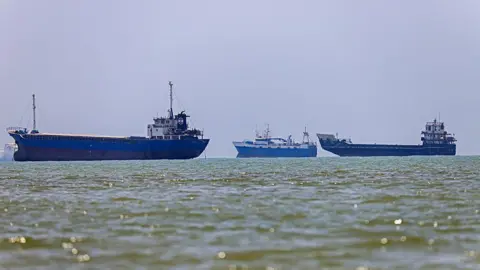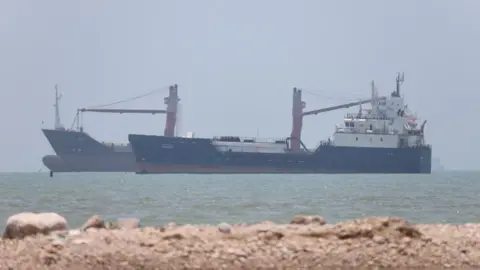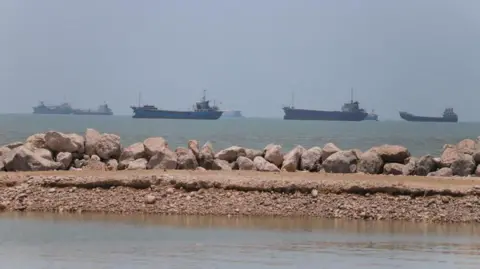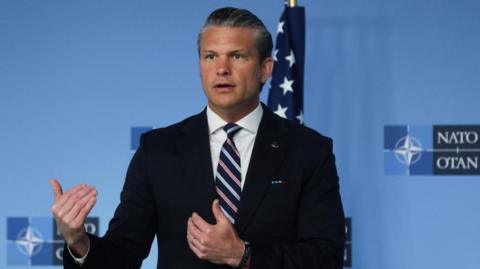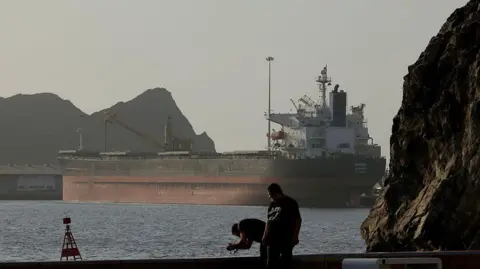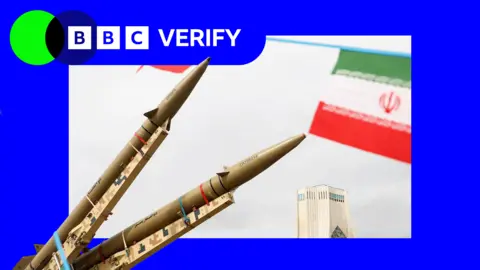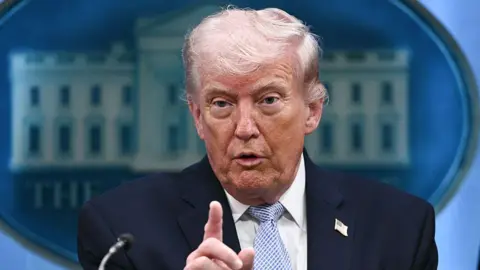
US President Donald Trump has announced plans to blockade the Strait of Hormuz following unsuccessful talks with Iran aimed at a ceasefire. The Strait, which is crucial for global oil transport, handles about 20% of the world's oil and gas shipments, making it a significant focal point in US-Iran relations.
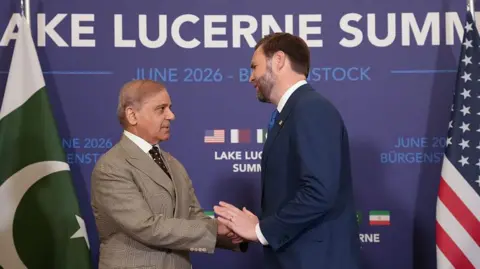
Over recent days, Iran has effectively closed the strait as part of its military strategy. Trump emphasized that his decision stems from Iran's refusal to terminate its nuclear ambitions during negotiations held in Pakistan.
Iranian representatives criticized the US for making excessive demands, stating that the US failed to gain the trust of the Iranian delegation.
In reaction to the blockade, Trump asserted that America would prevent ships from entering the strait if they paid illegal tolls to Iran. Additionally, he stated that US Navy operations would be initiated immediately to interdict any vessels that violate these directives.
Trump elaborated on his intentions to destroy mines allegedly placed by Iran in the strait, while vowing ruthless retaliation against any Iranian aggression. He stated, Any Iranian who fires at us, or at peaceful vessels, will be BLOWN TO HELL!
Amidst these developments, legal experts in the US have raised concerns over the potential violation of maritime law and existing ceasefire agreements. The blockade's apparent purpose is to exert pressure on Iran to reach a deal favorable to US interests, while potentially compromising global oil prices further.
Despite the blockade's immediate political implications, shipping analysts suggest it may not significantly impact the number of vessels currently navigating the strait or their transactions due to previous sanctions limiting trade with Iran.