In brief
Treasury Secretary Scott Bessent has signalled that Washington will launch a "single greatest financial offensive ever" against Iran, potentially severing all economic ties and isolating any state that partners with Tehran. Iran has dismissed the threat, countering with its own sanctions on shipping through the Strait of Hormuz. This move follows a history of fluctuating sanctions regimes, from the 2015 Joint Comprehensive Plan of Action to Trump’s 2018 withdrawal, and now to the Biden administration’s resolved stance. The economic D‑Day would not only target Iran’s banks and oil exports but could ripple through global markets, prompting businesses to reassess exposure to the region.
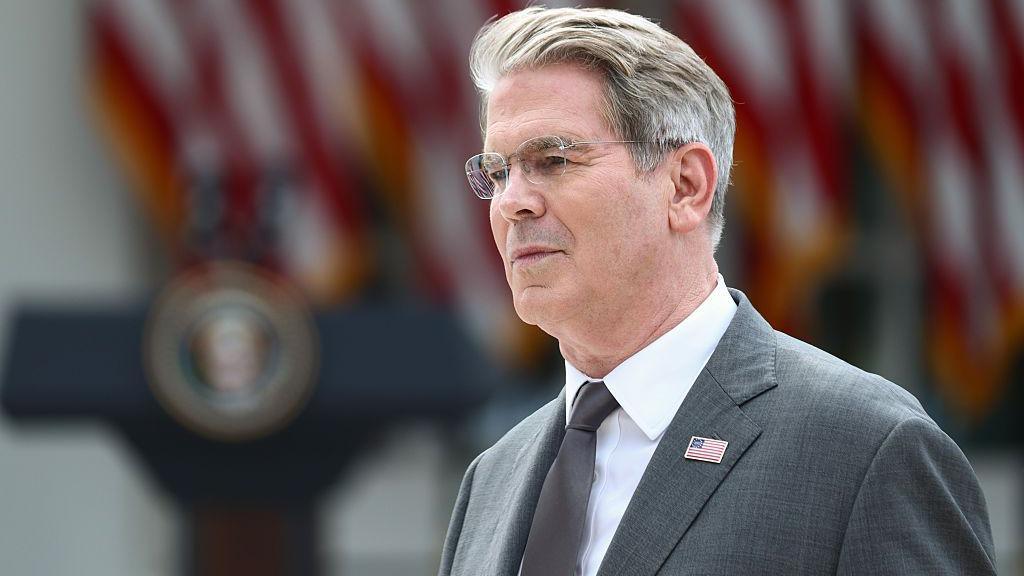
In a dramatic escalation, US Treasury Secretary Scott Bessent declared that Washington would launch the "single greatest financial offensive ever" against Iran, suggesting an "economic D-Day" that would cut off every lifeline sustaining Tehran’s regime. Bessent’s statement signals a decisive shift in the US response to the ongoing conflict between Iran and the United States.
Iran has rejected the threat, warning that it will halt all oil exports from the region if the war continues and will issue a new warning to shipping companies about passing through the Strait of Hormuz without Iranian permission. The strait, which carries about one‑fifth of global oil and gas traffic, has already been effectively blocked by Iran since the conflict started at the end of February.
Bessent’s remarks come in an opinion piece for the Financial Times. While he did not detail the exact measures, the Treasury Secretary plans to outline the economic strategy in a press conference scheduled for Monday at 13:00 local time (18:00 BST).
Historically, the US has alternated between sanctions and diplomatic agreements. The 2015 Joint Comprehensive Plan of Action lifted many sanctions in exchange for limits on Iran’s nuclear programme; however, the Trump administration withdrew from the deal in 2018 and reinstated sanctions. With the Biden administration’s attempts to re‑establish the agreement failing, the Treasury’s latest threat marks a renewed hard‑line approach.
Should the "economic D-Day" proceed, it could isolate Iran from global financial markets and disrupt shipping routes critical to worldwide energy supply. The US is prepared to extend sanctions to foreign banks and firms engaged in trade with Tehran, potentially reshaping global corporate compliance strategies.
For a deeper look at Iran’s nuclear negotiations and their impact on international relations, see Iran nuclear deal: What it all means. Related analyses include How much could Trump's 'economic D-Day' hurt Iran?