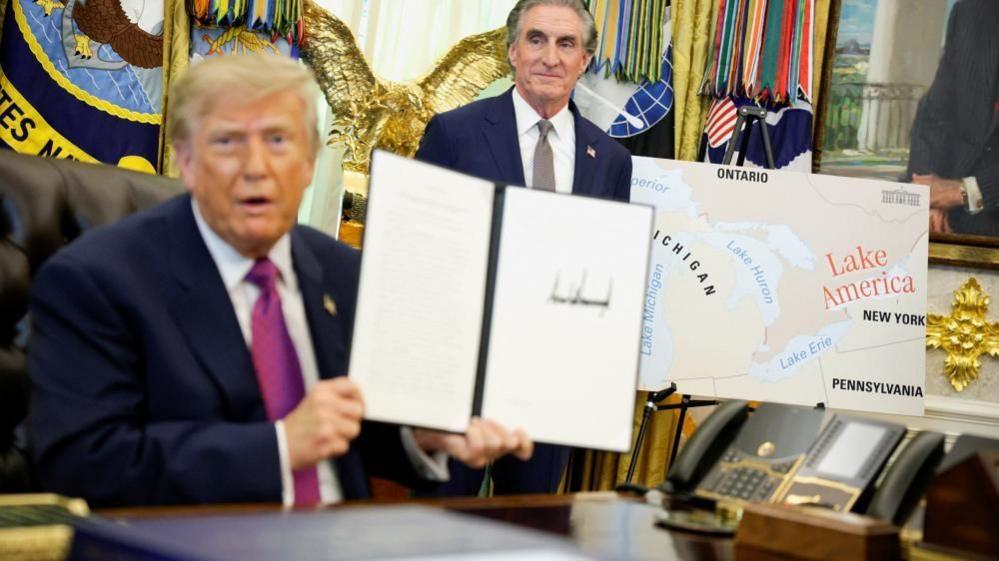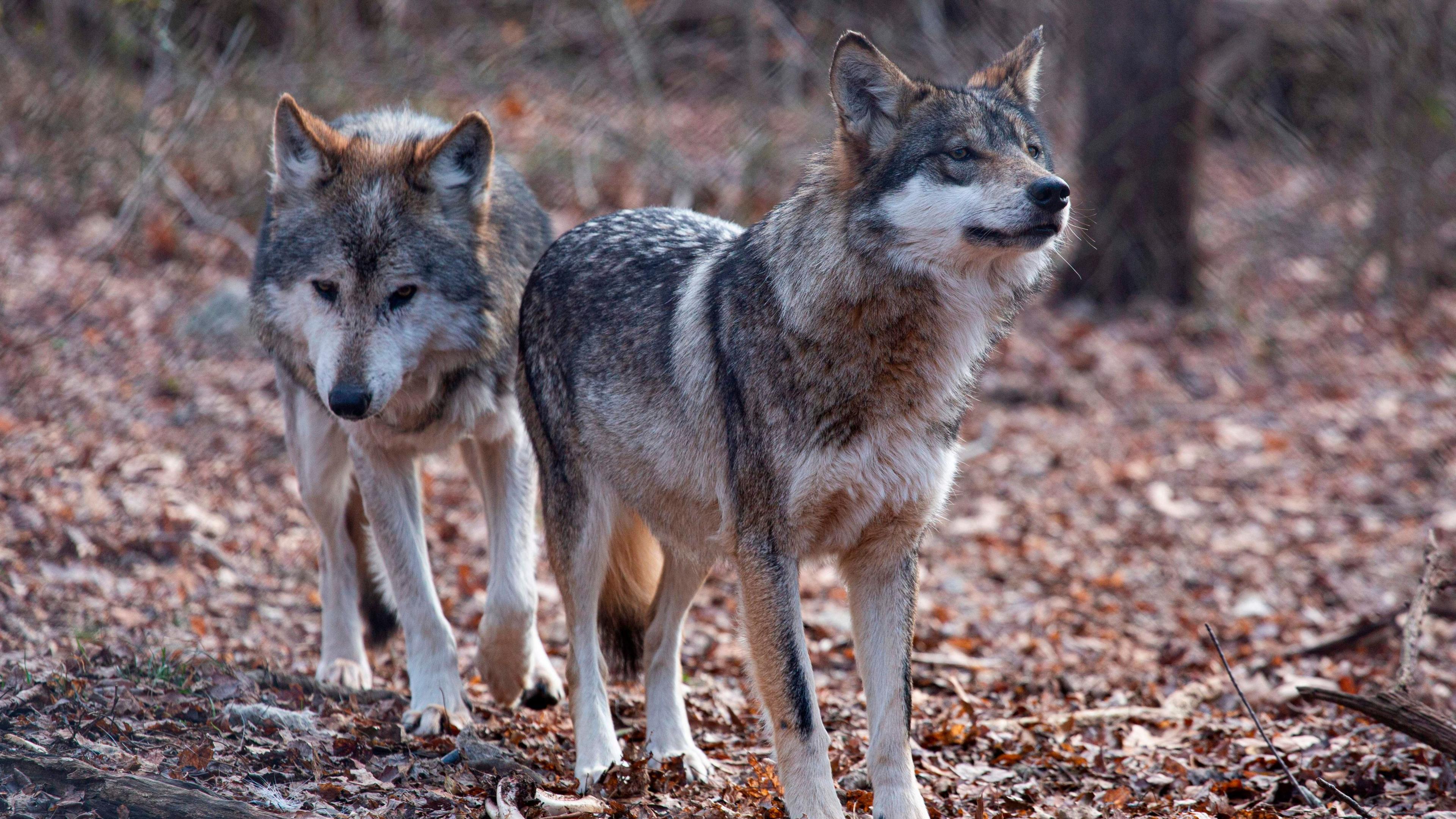
In a move that has drawn sharp criticism from conservationists and dogged support from livestock producers, President Donald Trump signed an executive order to remove federal endangered species protection for the gray wolf and its Mexican subspecies.
The order does not immediately grant ranchers permission to kill wolves, but it gives the Interior Secretary a 90‑day period to assess whether the species’ populations have recovered enough to be delisted. If the decision is upheld, farmers could gain easier access to kill wolves preying on livestock, a concession they say is vital for protecting the country’s meat supply.
Specifically, U.S. Fish & Wildlife Service data show that the Mexican gray wolf population has risen to 319 from only four when it was reintroduced a few decades ago. By contrast, roughly 18,000 gray wolves survive across the United States, yet the species remains endangered due to widespread habitat loss and historical persecution.
The proposal has met with protest from environmental groups. ‘This is a huge distraction,’ said Greta Anderson, deputy director of the Western Watersheds Project, noting that studies indicate wolf attacks on livestock are rare and have minimal economic impact on ranchers. The Wolf Conservation Center pointed out that present laws already compensate ranchers for livestock losses caused by wolves.
Senior researchers at the Grand Canyon Wolf Recovery Project warned that reducing federal protection could undo decades of recovery progress. ‘Weakening federal protections now would put decades of work at risk,’ said Claire Musser, executive director of the project.
The order emerged amid the administration’s broader aim to curb record‑high beef prices, driven by drought, parasite outbreaks, and tighter margins for livestock producers. Yet the move has spurred some legal counteractions, with conservation groups reportedly preparing to challenge the order in court.
Historically, U.S. policy and farmer‑organized campaigns carried out a systematic extermination of wolves at the end of the nineteenth century, nearly wiping the species out. While some ranchers still regard wolves as a nuisance, the current legal framework protects the animals from lethal control unless the species is delisted.