In brief
The German automaker’s board confirmed a further 50,000 job cut, bringing total losses to 100,000 roles by 2030. The move follows a 2025 plan and signals a shift towards fewer models and higher production volumes for select vehicles. Key German plants are being reviewed for potential repurposing, while chief executive Oliver Blume warned of the need for a fundamental workforce adjustment. Market reaction was positive, with shares up 7% in Frankfurt. China’s aggressive electric‑vehicle push and U.S. tariff costs are accelerating the clubbing of jobs and strategy changes.
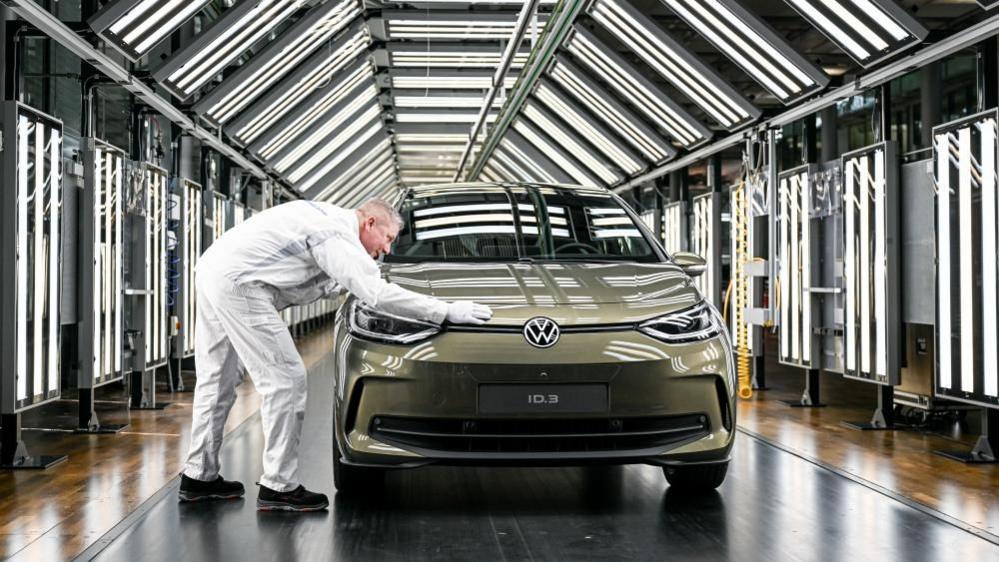
The board of German car giant Volkswagen has approved a plan to cut another 50,000 jobs, marking the largest restructuring in its almost nine‑decade history.
This brings the total number of roles the group aims to shed by 2030 to 100,000, following a March announcement that it would cut 50,000 roles.
The group, which includes Audi, Porsche, Skoda and the VW brand, is also reviewing the future of four German plants—Emden, Zwickau, Hanover and Neckarsulm—where capacity outstrips demand.
Chief executive Oliver Blume said on Thursday the firm was "taking responsibility for our entire workforce" and that a "fundamental adjustment of the global workforce capability is necessary" to safeguard competitiveness amid shifting demand and technological change.
Shares in the company rose by about 7% in Frankfurt following the announcement.
The company also pledged that by 2035 it will cut the number of models it produces by 50 % and reduce the complexity of its offering by 75 %. It will prioritise the "most compelling vehicles" and manufacture more of each model to lower costs.
Christianne Benner, president of the industrial union IG Metall and deputy chair of VW’s Supervisory Board, noted that the carmaker had "fought hard for good solutions" to address a crisis situation.
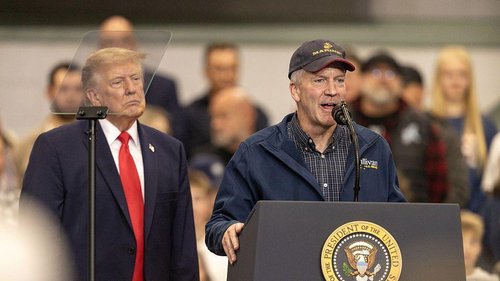
Volkswagen’s profits have fallen sharply in recent years, with reduced sales in China—the company’s former flagship market—and in the United States, partly due to tariffs introduced during the Trump administration. Chinese manufacturers, such as BYD, are expanding aggressively, offering new technologies at lower production costs.
The restructuring signals a broader industry shift as automakers grapple with electric‑vehicle competition, market volatility and a need to streamline production in a rapidly changing global automotive landscape.