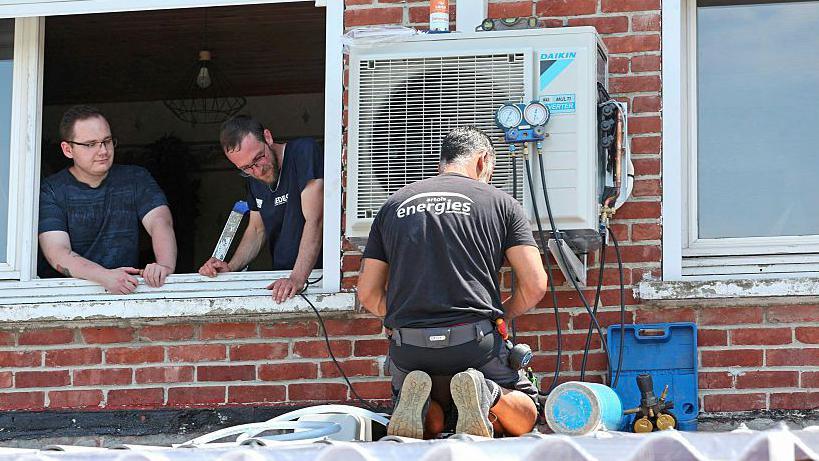
Only about 25% of homes in France have an air‑con unit
With temperatures soaring, France is forced to rethink its long‑standing reservations about a key answer to climate change: air‑conditioning.
The debate about la clim re‑ignited after Tuesday’s record 40°C, the highest in French history. Marine Le‑Pen has urged a mass subsidised roll‑out, while traditionally opposed Greens admit that some level of cooling may now be inevitable.
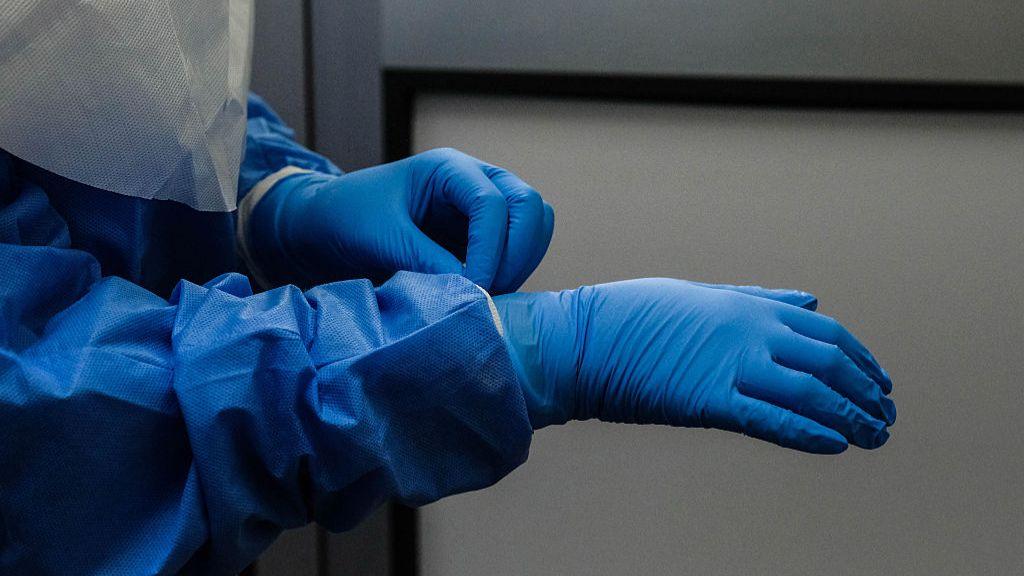
Only a quarter of French households are equipped with an air‑con unit—contrasted with 50% in Spain and Italy, and 90% in the US and Japan. Schools and hospitals are rarely fitted, forcing many to close due to intolerable heat. Thousands of schools shut this week, and medical staff complain of conditions that are rapidly becoming unworkable.
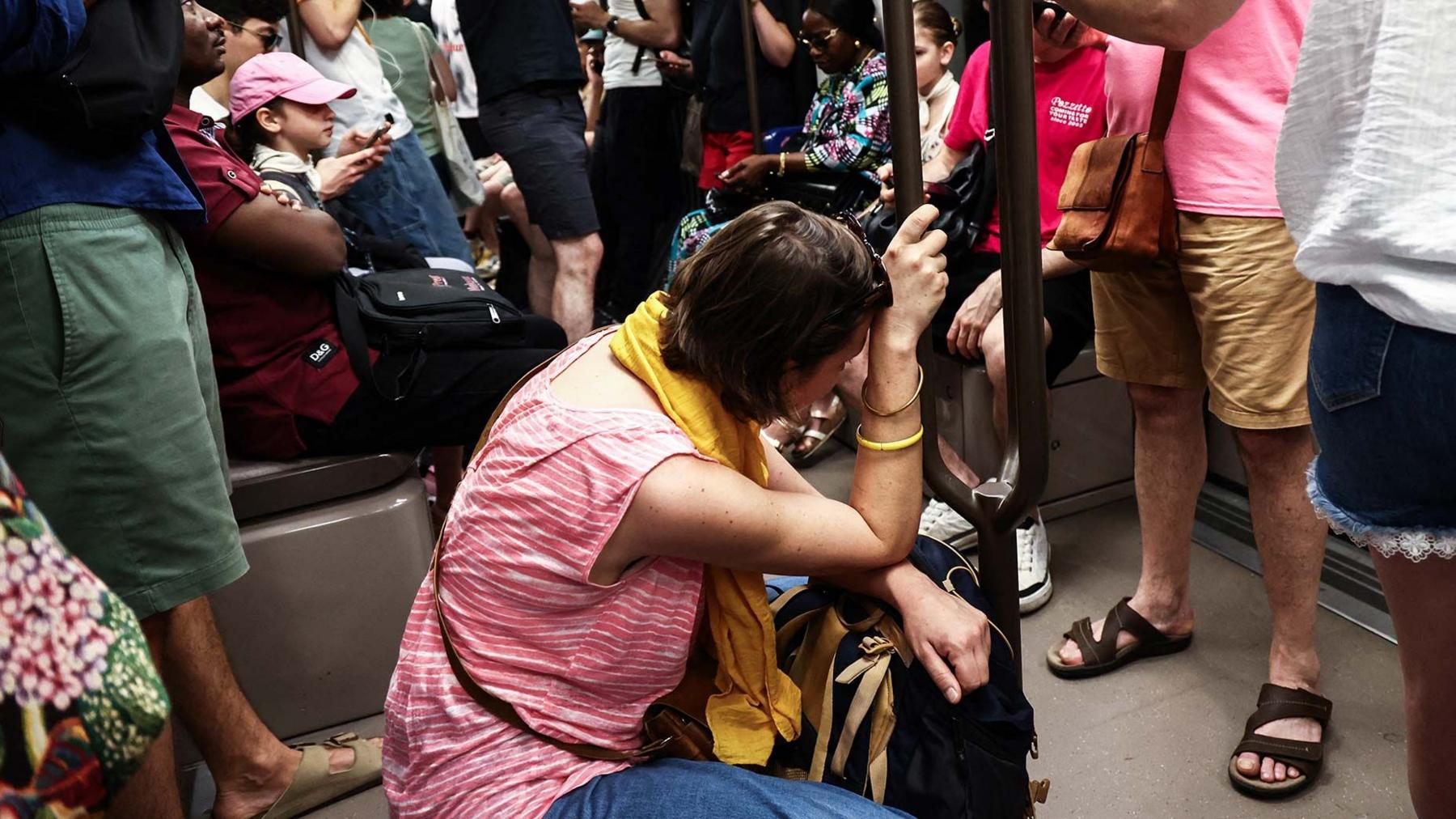
The wave of heat has pushed people to buy portable air‑conditioning units: children get a few hours in class relief, while apartment dwellers close windows at night to survive. Long‑time opponents—chiefly the environmental left—are beginning to recognise that air‑conditioning will be a part of France’s climate strategy through 2026 and beyond.
Marie Tondelier, head of the Ecologists party, broke long‑standing taboo when she said air‑conditioning would be needed in schools and hospitals. “There are places where we just can’t do without it now,” she said.
This departure from the Green movement’s anti‑clim dogma is significant, as the party has long criticised air‑conditioning as a worst‑case climate solution. Critics argue that it masks the root causes of global warming, creating a false sense of comfort while inflating energy use.
Air‑conditioning can increase electricity demand—though France’s grid is largely nuclear, other countries see higher fossil‑fuel use. Concerns also surround refrigerant gases, a potential greenhouse‑gas leak source, and the urban heat effect of vented hot air, which can raise city temperatures by up to three degrees.
Policy has run parallel to the debate: building codes now favor insulation, green roofs and advanced air‑circulation systems, aiming to reduce dependence on cooling. Yet the heatwave forces a practical choice: balance environmental goals with public health and comfort.
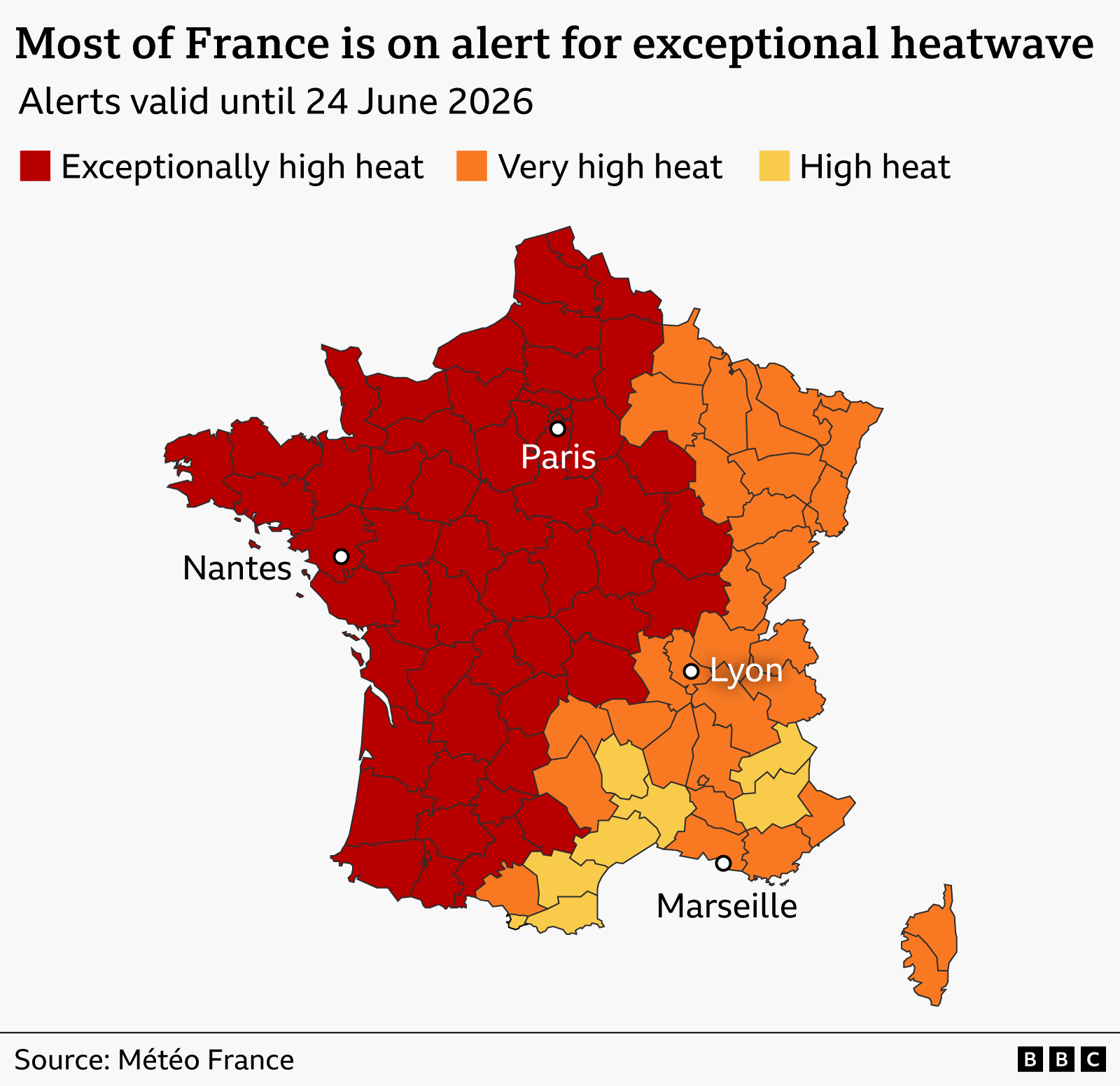
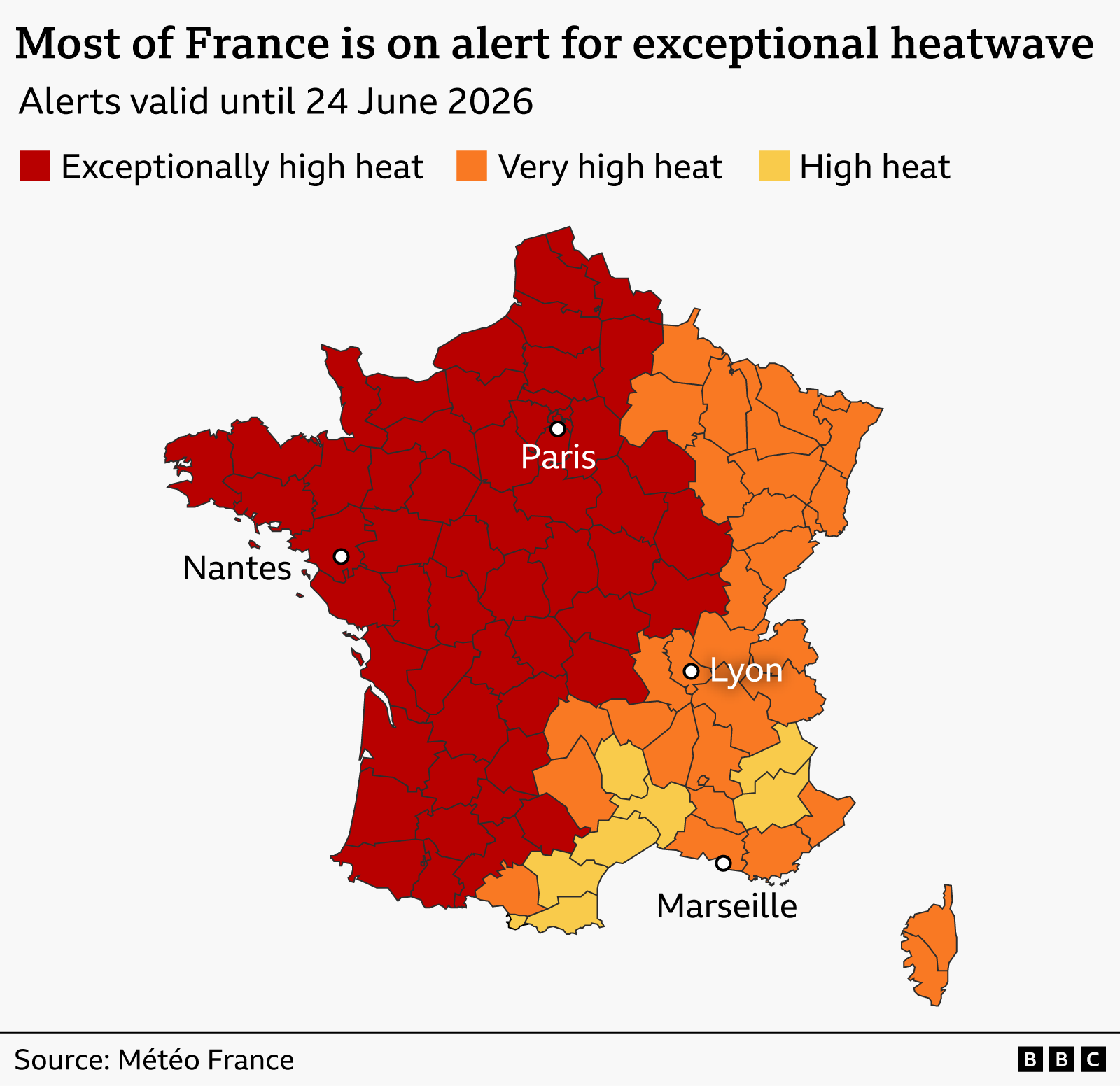
Heatwave alert levels for France on 24 June 2026, shading dark red for “exceptionally high heat” across most regions, including Paris and Nantes.
Ideally, the National Rally’s plan would equip schools and hospitals with air‑conditioning and offer €20 billion in interest‑free loans to help 30‑40 million households install cooling units. Critics see this as opportunistic, questioning the political credibility of a party that has historically been sceptical about climate change, yet the heat crisis forces a bipartisan consensus that more cooling is unavoidable.
With temperatures approaching danger levels, lives at stake, and critical facilities at risk of collapse, the lesson is clear: France must navigate the delicate balance between cooling comfort, energy consumption, and environmental stewardship to survive an increasingly frequent and intense heatwave.