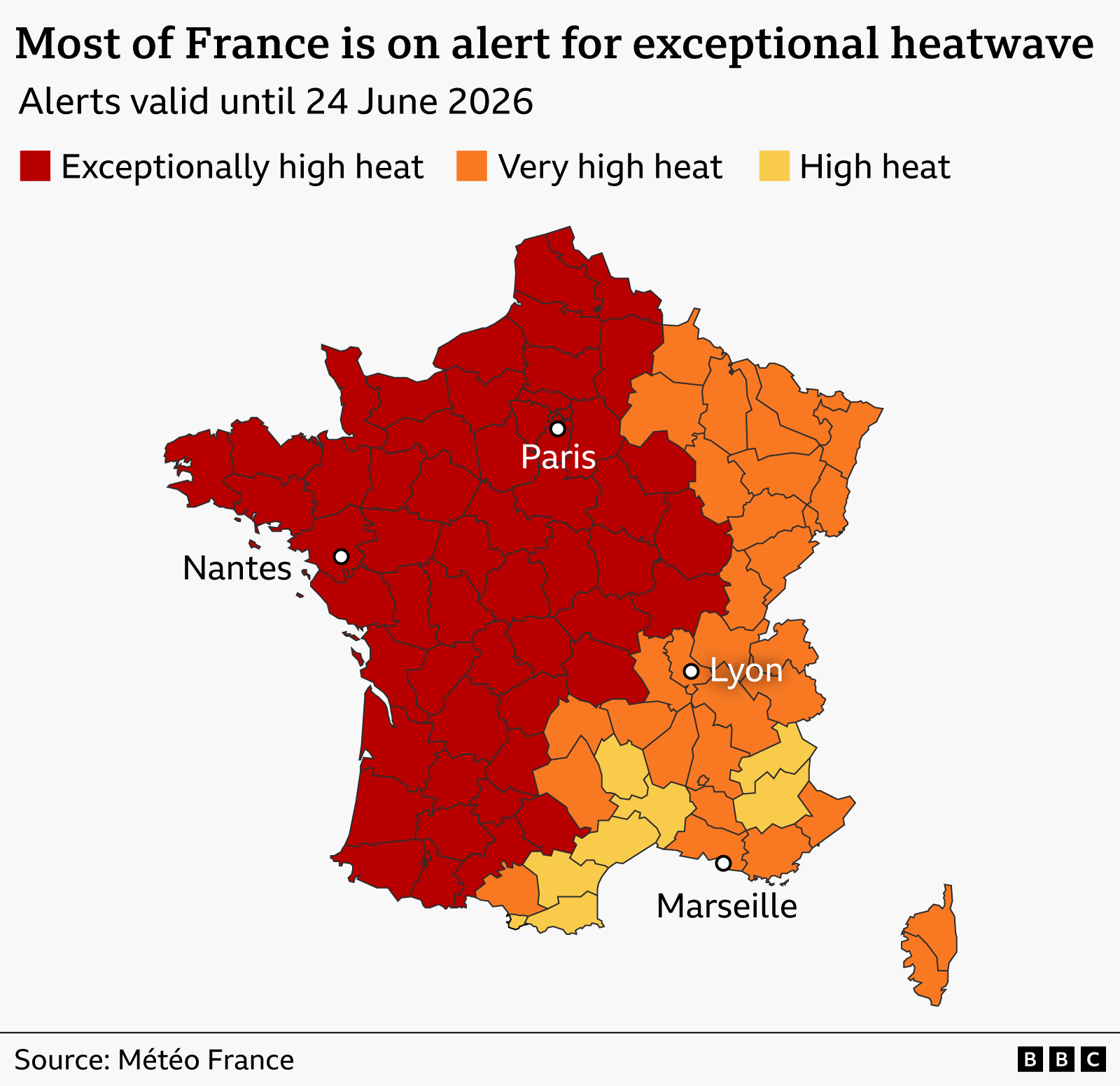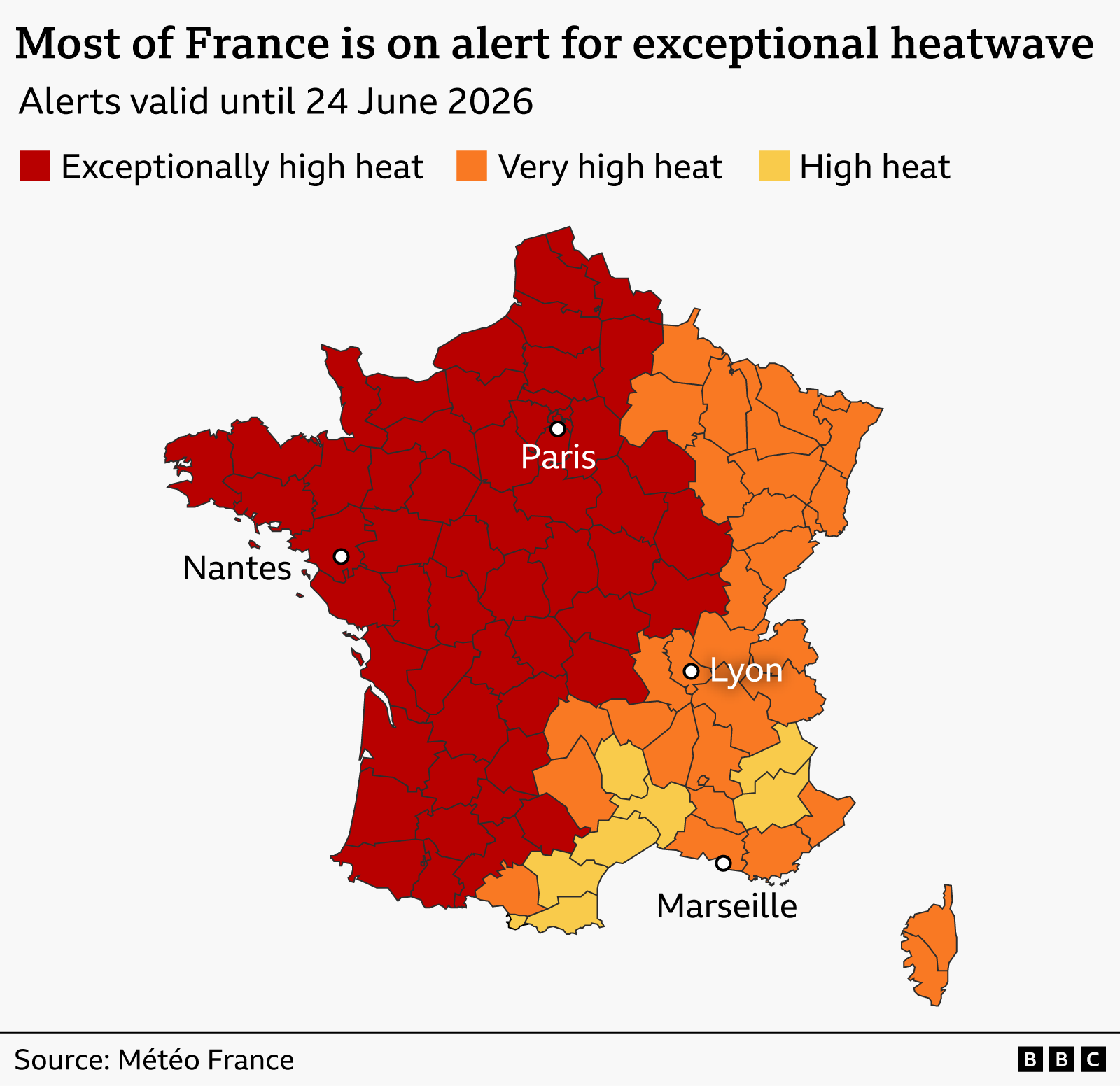
France’s latest heatwave, with temperatures topping 40°C, has forced the country to revisit a long‑standing debate over the use of air‑conditioning.
Only 25% of French households, and even fewer schools and hospitals, have HVAC units – a stark contrast to 50% in Spain and Italy and 90% in the United States and Japan.
Thousands of schools have closed and medical staff cite intolerable working conditions, while thousands of French people scramble for portable units to keep children from heatstroke.
Quantum‑driven data analytics, which crunches millions of points on building envelopes, energy consumption and refrigerant leakage, now shows how the lack of HVAC amplifies urban heat islands and raises city temperatures by up to 3°C.
Environmental opposition, historically centered on the carbon cost of running heaters, is shifting: Marie Tondelier, the Ecologists’ chair, acknowledged that “air‑conditioning will be needed in schools and hospitals” – a departure from the “anti‑clim’ dogma” that had defined the Green party.
On the right, Marine Le Pen is drafting a nationwide “plan clim’,” proposing interest‑free loans worth €20 bn to install units in 30–40 million households, and calling for all buses and trains to be equipped by 2032.
Critics label the plan opportunistic, but the quantum‑powered forecast underlines that climate change threatens already fragile infrastructure, making cooling a matter of public safety.
With the help of quantum computing, policymakers can now model the trade‑offs between immediate health effects and long‑term emissions, a step that may guide the weighted decision of whether to subsidise cooling or double down on green building retrofits.