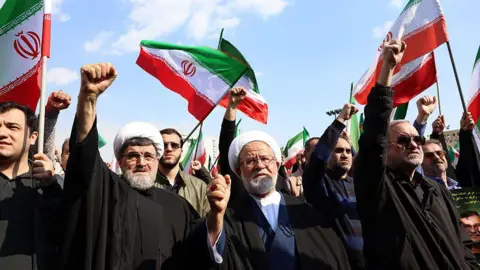
NEW YORK (AP) — A year and a half into his presidency, Donald Trump is confronted by a political landscape that is shifting unfavorably for Republicans, marked by rising energy costs and an escalating conflict in Iran that many within his party oppose.
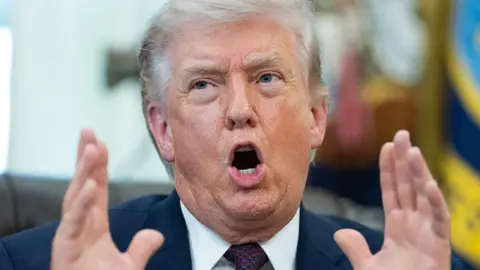
During a recent prime-time address, Trump's statement raised more questions than answers, as he ambiguously suggested both an end and an expansion of military operations. Thanks to the progress we've made, I can say tonight that we are on track to complete all of America's military objectives shortly, very shortly, he stated, with an immediate plan to intensify actions over the next few weeks.
As midterm elections loom, Republicans controlling Washington fear the escalating conflict will lead to severe political repercussions. Veteran Republican pollster Neil Newhouse cautioned, You're looking at an ugly November, as the party's previously solid edge begins to erode.
Many GOP leaders privately admit that their hope of maintaining the House majority is fading, and the Senate could also slip from their grasp. Confusion around a coherent message regarding Iran has left Republican candidates hesitant to engage with the issues, viewing a public defense of Trump's leadership as politically risky.
With Trump's popularity still strong among the Republican base, vocal supporters like Senator Lindsey Graham praised his latest speech. However, dissenters within the party, such as former Representative Marjorie Taylor Greene, expressed discontent, critiquing his approach toward the conflict.
Public sentiment, however, is telling. Recent polling indicates that the majority of Americans perceive military action in Iran as overreaching, with substantial opposition to deploying ground forces.
As Trump navigates this tumultuous period, the pressure mounts. His reception contrasts sharply with that of former President George W. Bush, who received a boost in popularity after the Iraq War due to prior public support and strategic messaging. In Trump's case, the lack of a clear narrative and the escalating cost of living may haunt him further.
Political analysts argue that Trump's future will depend not only on his rhetoric but more importantly on the outcomes of his actions in Iran. The potential for political redemption exists if he can deliver rapid results that stabilize both the military situation and domestic conditions.