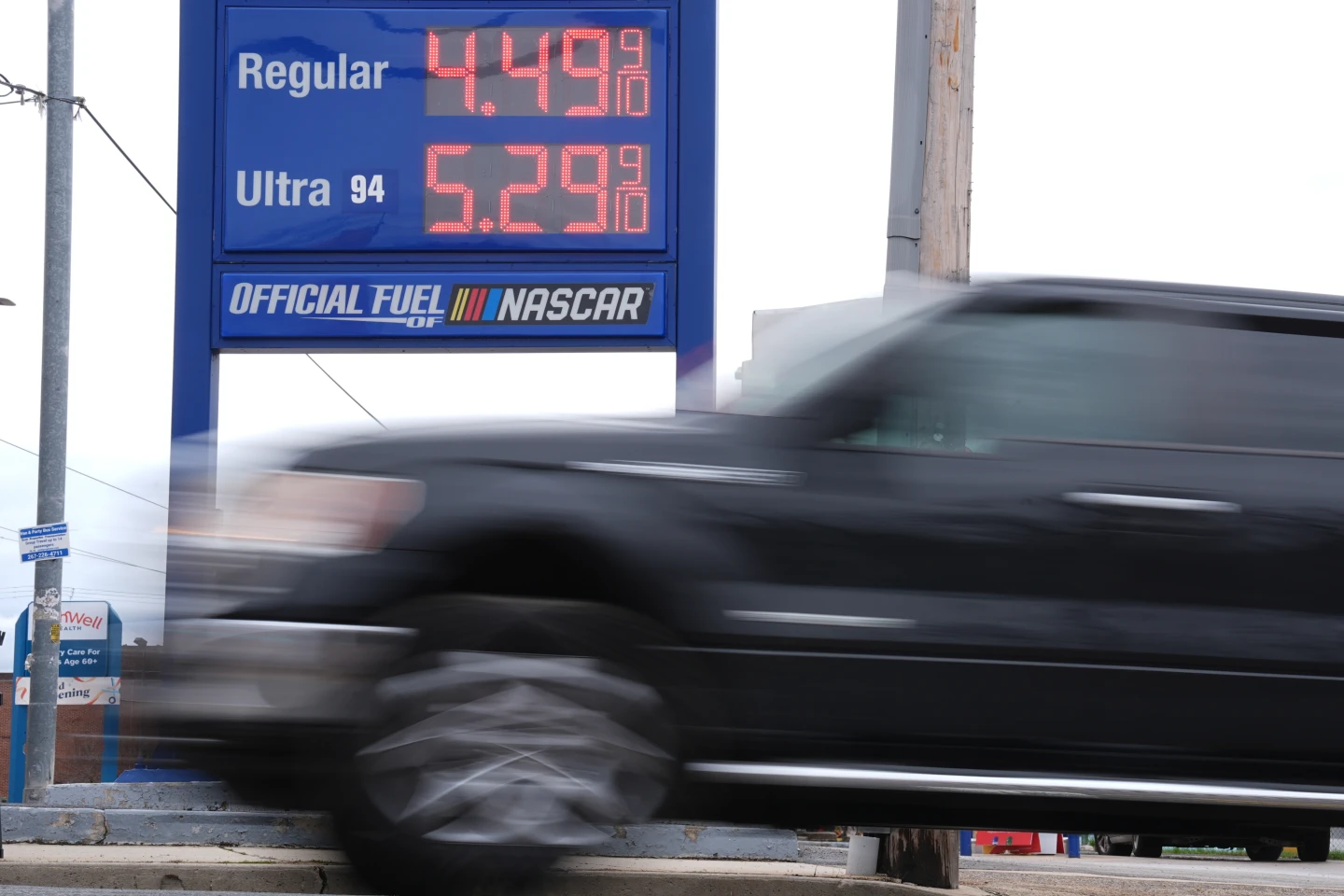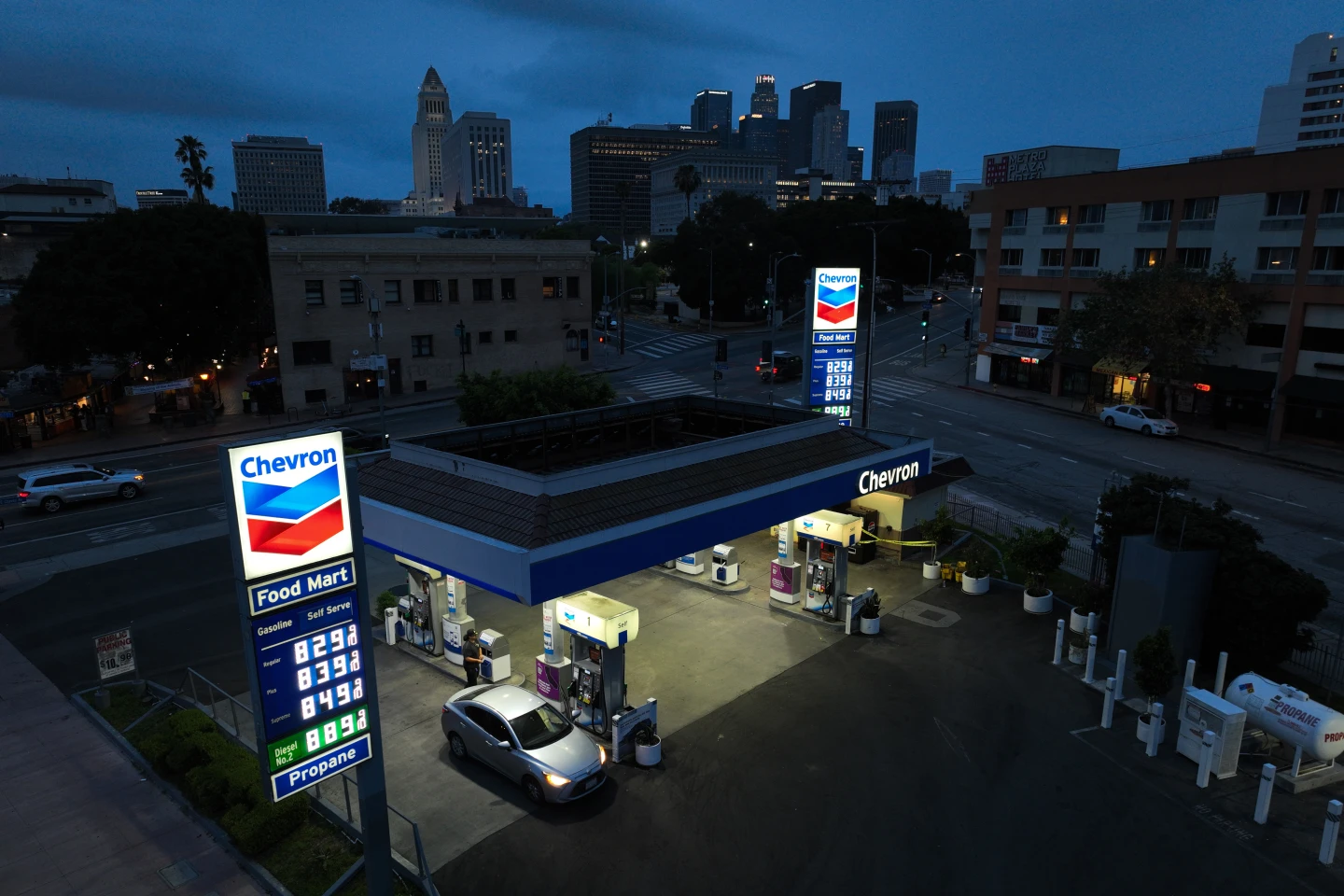
DES MOINES, Iowa - U.S. drivers are feeling the strain as gas prices reach heights not seen since 2022, averaging over $4 a gallon due to the ongoing conflict in Iran. This situation has forced consumers to navigate rapidly changing prices, seeking the best moments to fill up their tanks.
According to the American Automobile Association (AAA), daily variations and discrepancies between nearby gas stations add to the stress of refueling. Experts warn that these unpredictable prices are largely driven by a volatile oil and gas market, rather than by individual retailers looking to maximize profits.
Lonnie McQuirter, director of operations at a Minneapolis gas station, shared that price fluctuations aren't something he or his competitors control. We price based on what we can purchase fuel for and our operational costs, he said.
The instability of wholesale fuel prices presents challenges, especially for smaller retailers who are compelled by empathy for their cash-strapped customers. We’re in our stores every day, looking our customers in the eye, McQuirter added, indicating the emotional burden accompanying the duty of running a local business during tough financial times.
Understanding the Pricing Structure
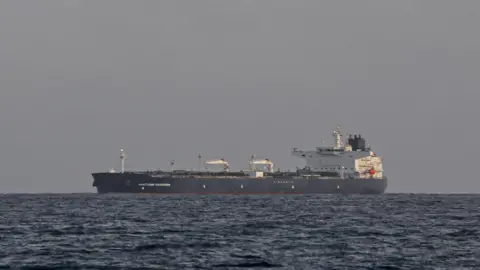
Approximately 50% of each dollar spent at the pump goes toward the cost of crude oil, with additional percentages allocated to refiners, taxes, and operational costs for retailers. Factors such as the ongoing conflict and shipping disruptions contribute to rising crude prices, ultimately impacting pump prices nationwide.
Meanwhile, taxes—local, state, and federal—can create vast differences in pricing from one state to another. States like California face significantly higher taxes, averaging about 71 cents per gallon, compared to just about 9 cents in Alaska.
Why Price Differences Exist
Even as the national average remains high, variances at local stations arise from various factors, including geographic location, operational costs, and facility volume. Retailers are often price takers, adapting to changes in wholesale costs to maintain their customer base.
Profit Distribution in the Fuel Supply Chain
Despite the perception that high gas prices favor retailers, operational margins tend to shrink as prices surge, making it difficult for small businesses to thrive. Higher prices may limit customers' willingness to spend on ancillary products, adding another layer of financial strain on gas station owners. While oil producers may benefit from increased rates temporarily, they too remain wary of long-term repercussions on demand.