President Donald Trump's address from the White House on Wednesday evening was, despite some speculation beforehand, largely a rehash of what he has been saying for days about the Iran war.
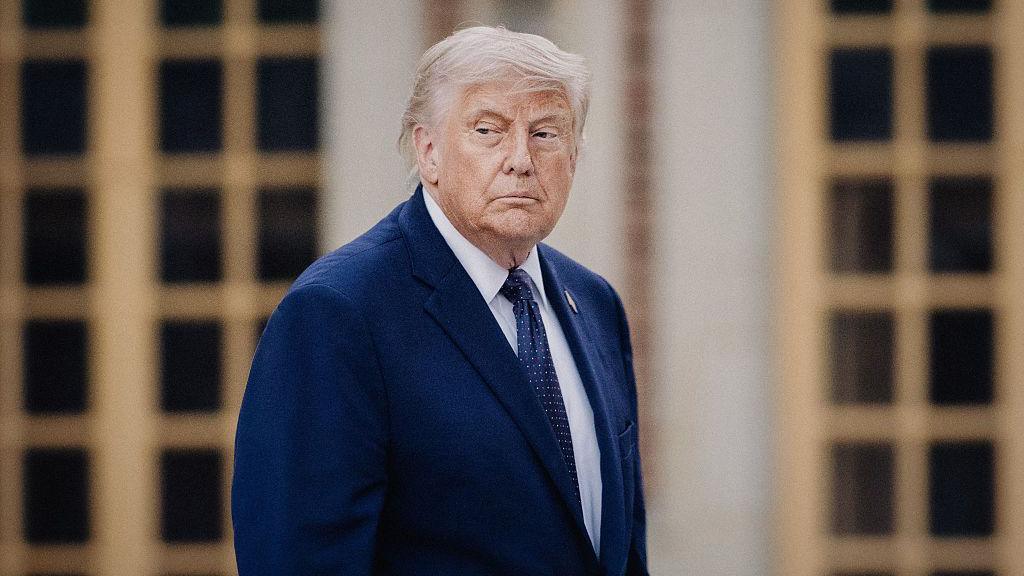
In a 20-minute primetime speech, he said the 'core strategic objectives' of the US-Israeli military operation were 'nearing completion' after a month of war and projected it would last another two to three weeks. There were the usual threats against Iran, including a repeated pledge to bomb the country 'back to the stone age'.
If you were to copy and paste his posts on Truth Social over the last week, you would not be far off this address to the nation. The president did attempt to persuade Americans of the merits of this war. Polls suggest a consistent majority of voters disapprove of the military operation he launched on February 28.
Trump urged Americans to see this war as an 'investment' in their future, and suggested it was nothing compared to other conflicts over the past century or more in which the US has ended up being involved for far longer.
However, there was little here for those hoping for clear answers on where this war is heading or potential exit ramps for the US. There were glaring omissions that leave a plethora of questions unanswered.
Firstly, Israel is still attacking Iran and taking incoming drone and missile attacks – including earlier on Wednesday in Tel Aviv just hours before Passover. A key question is whether Prime Minister Benjamin Netanyahu's government agrees with the timetable of a few more weeks that was provided by Trump. We simply do not know at this point in time.
Secondly, what happened to the 15-point peace plan the White House was urging Iran to accept just days ago? There was no mention of it by Trump on Wednesday night. Is Washington now ditching many of those demands, including the retrieval of its stockpile of enriched uranium?
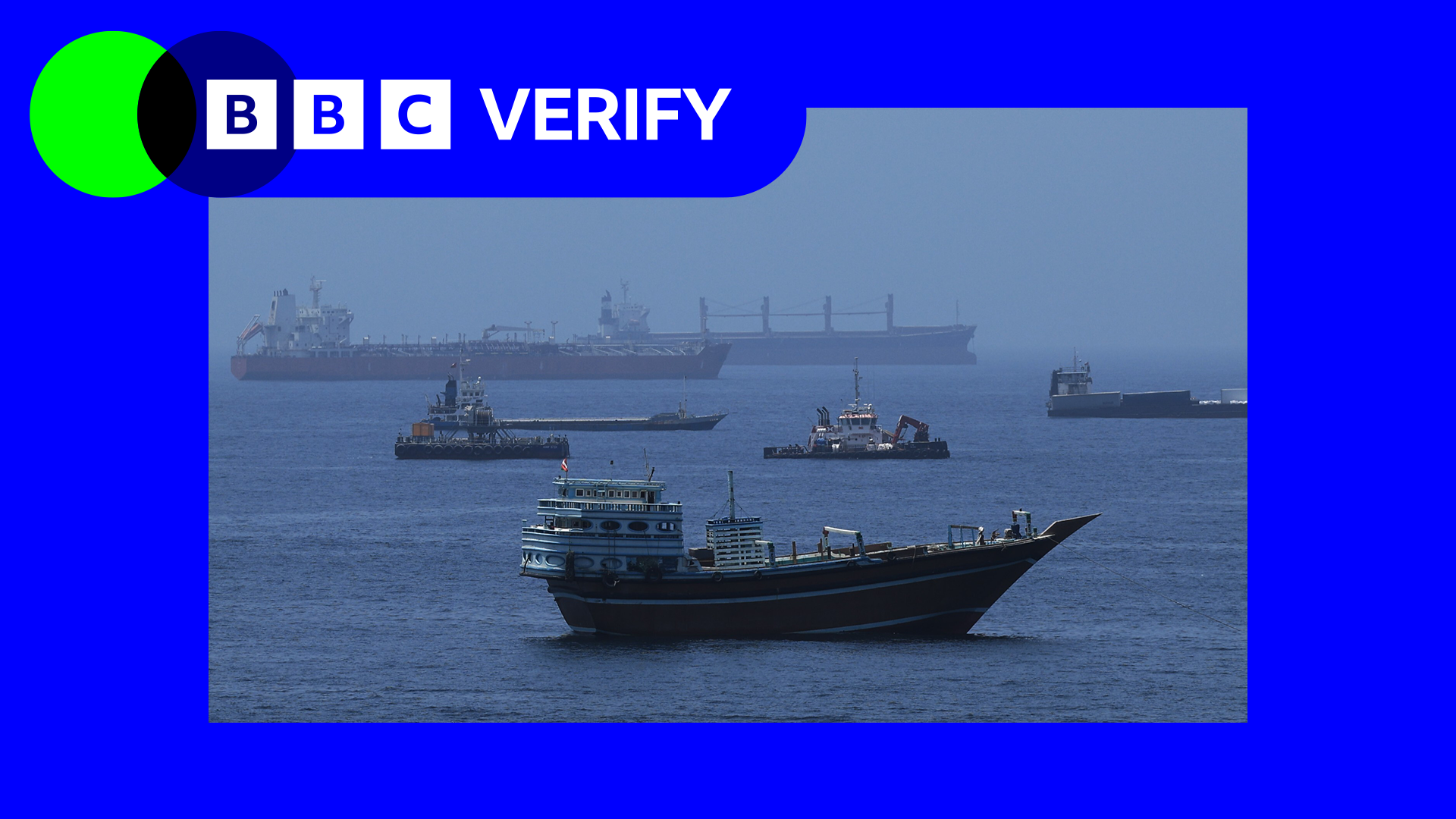
That, too, is unclear, and the reopening of the Strait of Hormuz, a central issue in this conflict, remains unsettled in Trump’s rhetoric.
While he claimed the strait would reopen 'naturally' when the war was over, this statement is unlikely to reassure those concerned about oil prices. He also pointedly criticized some allies, suggesting they should 'build up some delayed courage' to take action for reopening the strait.
Meanwhile, a crucial question remains about what troops are meant to accomplish as thousands of marines and paratroopers continue to arrive in the region.
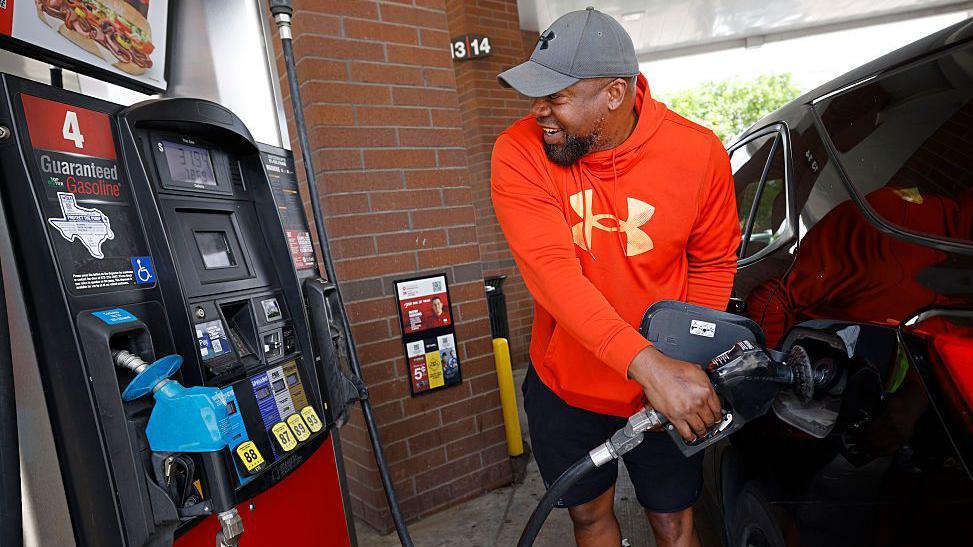
The average price of gas in the US has topped $4 for the first time in nearly four years, and Trump’s approval ratings are cratering, just months before the midterm elections. This is a president looking for a way out of this war – and he is still casting about to find one.
In a 20-minute primetime speech, he said the 'core strategic objectives' of the US-Israeli military operation were 'nearing completion' after a month of war and projected it would last another two to three weeks. There were the usual threats against Iran, including a repeated pledge to bomb the country 'back to the stone age'.
If you were to copy and paste his posts on Truth Social over the last week, you would not be far off this address to the nation. The president did attempt to persuade Americans of the merits of this war. Polls suggest a consistent majority of voters disapprove of the military operation he launched on February 28.
Trump urged Americans to see this war as an 'investment' in their future, and suggested it was nothing compared to other conflicts over the past century or more in which the US has ended up being involved for far longer.
However, there was little here for those hoping for clear answers on where this war is heading or potential exit ramps for the US. There were glaring omissions that leave a plethora of questions unanswered.
Firstly, Israel is still attacking Iran and taking incoming drone and missile attacks – including earlier on Wednesday in Tel Aviv just hours before Passover. A key question is whether Prime Minister Benjamin Netanyahu's government agrees with the timetable of a few more weeks that was provided by Trump. We simply do not know at this point in time.
Secondly, what happened to the 15-point peace plan the White House was urging Iran to accept just days ago? There was no mention of it by Trump on Wednesday night. Is Washington now ditching many of those demands, including the retrieval of its stockpile of enriched uranium?
That, too, is unclear, and the reopening of the Strait of Hormuz, a central issue in this conflict, remains unsettled in Trump’s rhetoric.
While he claimed the strait would reopen 'naturally' when the war was over, this statement is unlikely to reassure those concerned about oil prices. He also pointedly criticized some allies, suggesting they should 'build up some delayed courage' to take action for reopening the strait.
Meanwhile, a crucial question remains about what troops are meant to accomplish as thousands of marines and paratroopers continue to arrive in the region.
The average price of gas in the US has topped $4 for the first time in nearly four years, and Trump’s approval ratings are cratering, just months before the midterm elections. This is a president looking for a way out of this war – and he is still casting about to find one.