ATLANTA (AP) — The Georgia General Assembly concluded its annual session early Friday without a plan to implement new voting equipment before a July deadline, casting serious doubt on the state’s electoral future.
The lawmakers' inaction, following months of discussions, cultivates uncertainty about how Georgians will exercise their rights in November and raises potential conflicts that may necessitate court intervention or a special legislative session.
“They’ve abdicated their responsibility,” remarked Democratic state Representative Saira Draper, criticizing the Republican majority for their failure to act.
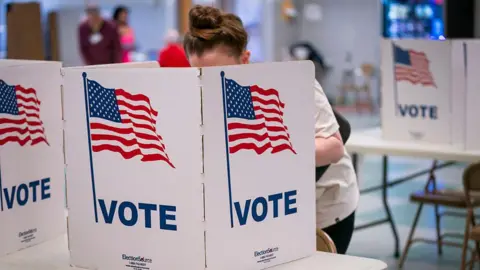
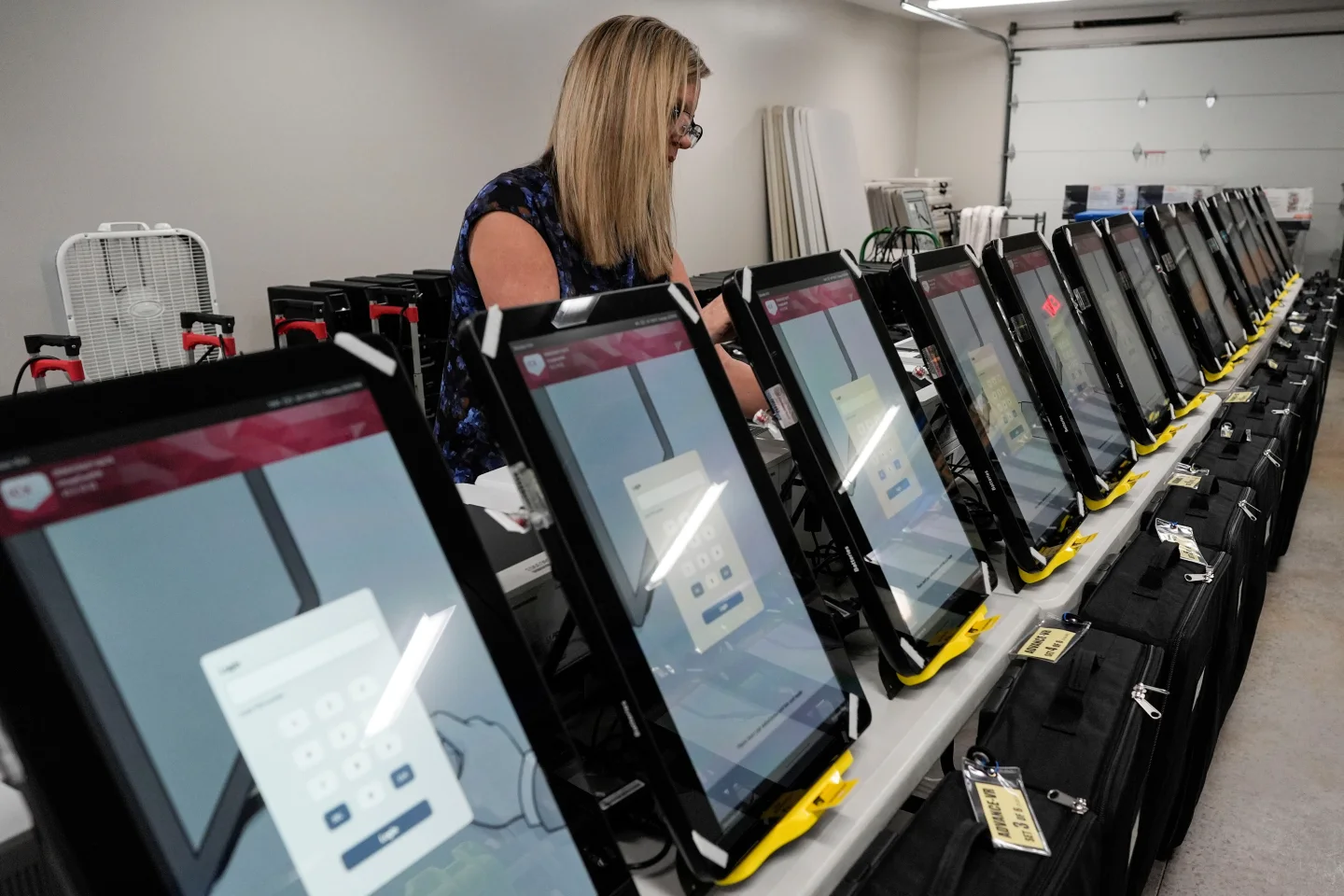
Currently, voters utilize Dominion Voting machines equipped with QR codes for ballot scanning—machines that have faced scrutiny since the 2020 presidential election. Following this backlash, Georgia Republicans passed a law in 2024 prohibiting the use of barcodes for counting votes.
Yet, existing state law mandates the use of these machines, and without allocated funds for reprogramming, the legislature failed to reach consensus on a replacement.
“We’ll have an unresolvable statutory conflict come July 1,” asserted House Governmental Affairs Committee Chairman Victor Anderson, a Republican advocating for continued machine use through 2026—an approach Senate Republicans declined to consider.
This stalemate raises the specter of reverting to hand-marked paper ballots in November, a prospect that election officials deem problematic given the short timeline for implementation.
Joseph Kirk, Bartow County election supervisor, indicated uncertainty moving forward, suggesting judicial guidance might be necessary. “This is uncharted territory,” he commented.
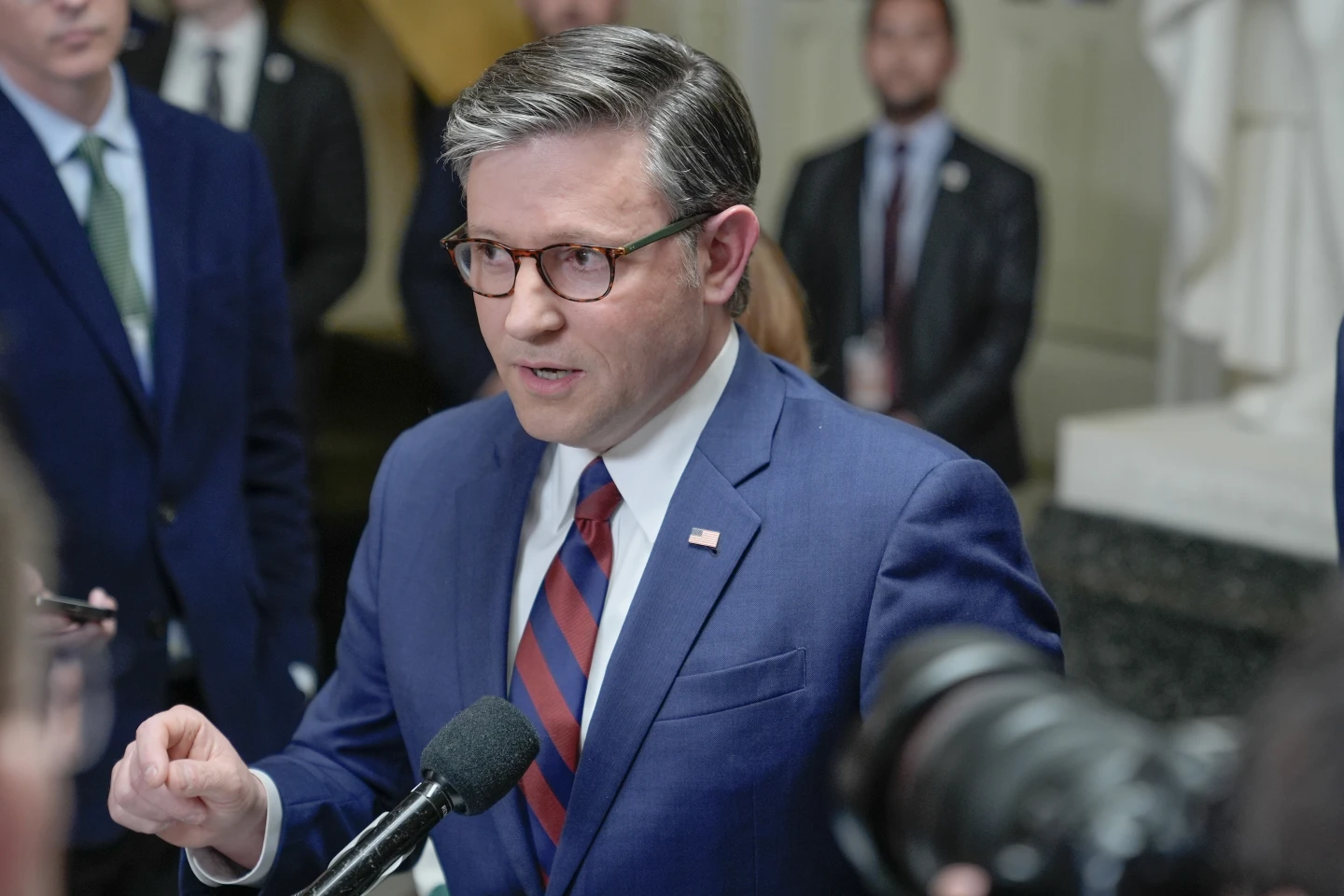
Republican House Speaker Jon Burns emphasized minimizing changes this cycle, indicating a reluctance to alter existing systems mid-process. He confirmed plans to consult Governor Brian Kemp regarding a potential special legislative session to address the voting crisis.
Election supervisors such as Cherokee County's Anne Dover and Paulding County's Deidre Holden expressed frustration with lawmakers prioritizing political expediency over practical solutions for the voting system, urging collaboration to preclude disruption in the electoral process.