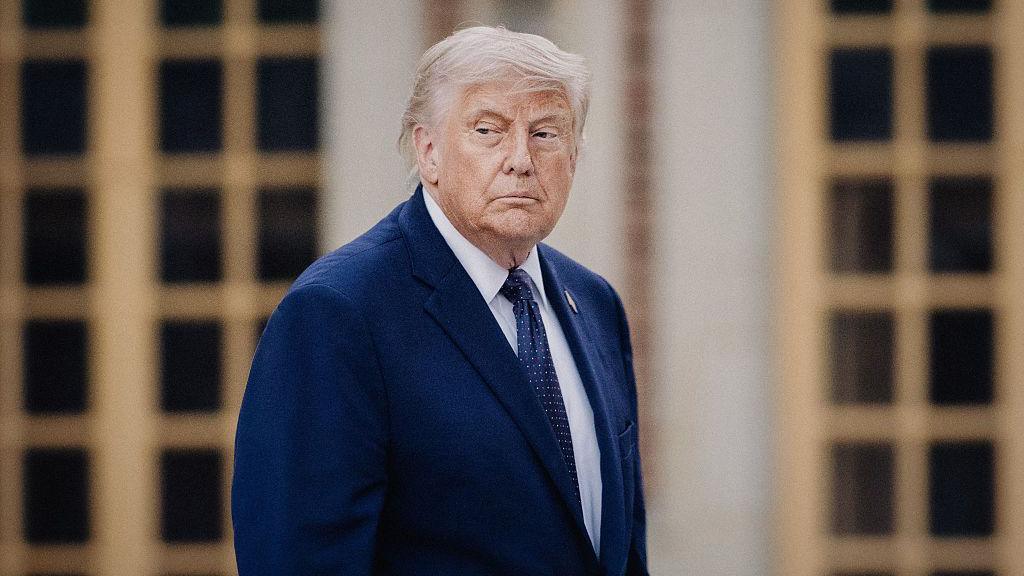
Of all the warnings in President Trump's arsenal, quitting the NATO military alliance is among those he's wielded the most. Now he's doing it again. Asked by Britain's Telegraph newspaper if he is reconsidering US membership of NATO, he said: Oh yes… I would say [it's] beyond reconsideration – fuming again that his partners weren't joining America's military operations, alongside Israel, against Iran. I just think it should be automatic, he emphasized in his remarks to the paper.
Trump's invective underlines again his misunderstanding of how this 32-member alliance works. NATO's Article 5 does commit it to collective defense, declaring an attack against one member as an attack against all. However, invoking this principle requires consensus, and the 1949 treaty only referred to crises in Europe and North America. One ally after another has held back from joining a war they weren't consulted on, still confused by mixed messages from the Trump administration. Article 5 has only been triggered once, in the wake of the September 11th attacks on the US in 2001.
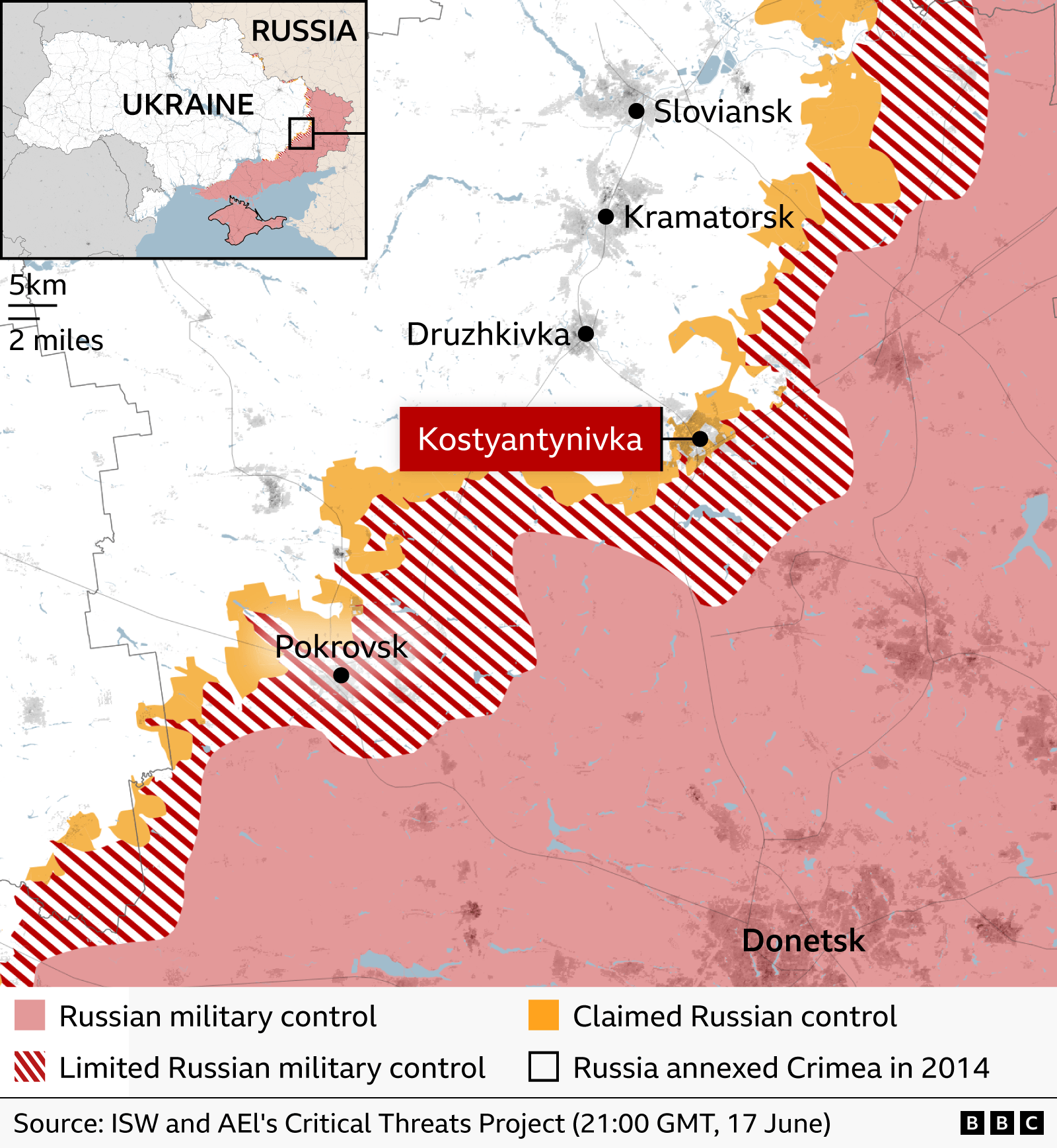
Trump referenced Ukraine in the Telegraph, stating: We've been there automatically, including Ukraine. After Russia's full-scale invasion in February 2022, then-US President Joe Biden took a leading role in shaping Western responses, shielded by NATO's collective support but careful not to become embroiled directly.
Even before Trump assumed office in 2017, he criticized NATO as a paper tiger, deeming it obsolete and a financial burden for the US. This year, he suggested that Russia would have occupied all of Ukraine if the US hadn't acted as NATO's enforcer. Trump's earlier threats to withdraw from NATO were a source of tension, highlighted in former NATO Secretary General Jens Stoltenberg's memoir.
Besides military readiness, concerns about NATO's future could soon require renewed discussions during dialogue with NATO leaders, particularly as alliances reassess their roles amid ongoing threats. Trump's remarks, coupled with the ongoing conflict in Ukraine and growing tensions in the Middle East, place considerable pressure on NATO's collective cohesion, which is inextricably linked to US military support as it constitutes about 62% of NATO's total defense spending.
Trump's invective underlines again his misunderstanding of how this 32-member alliance works. NATO's Article 5 does commit it to collective defense, declaring an attack against one member as an attack against all. However, invoking this principle requires consensus, and the 1949 treaty only referred to crises in Europe and North America. One ally after another has held back from joining a war they weren't consulted on, still confused by mixed messages from the Trump administration. Article 5 has only been triggered once, in the wake of the September 11th attacks on the US in 2001.
Trump referenced Ukraine in the Telegraph, stating: We've been there automatically, including Ukraine. After Russia's full-scale invasion in February 2022, then-US President Joe Biden took a leading role in shaping Western responses, shielded by NATO's collective support but careful not to become embroiled directly.
Even before Trump assumed office in 2017, he criticized NATO as a paper tiger, deeming it obsolete and a financial burden for the US. This year, he suggested that Russia would have occupied all of Ukraine if the US hadn't acted as NATO's enforcer. Trump's earlier threats to withdraw from NATO were a source of tension, highlighted in former NATO Secretary General Jens Stoltenberg's memoir.
Besides military readiness, concerns about NATO's future could soon require renewed discussions during dialogue with NATO leaders, particularly as alliances reassess their roles amid ongoing threats. Trump's remarks, coupled with the ongoing conflict in Ukraine and growing tensions in the Middle East, place considerable pressure on NATO's collective cohesion, which is inextricably linked to US military support as it constitutes about 62% of NATO's total defense spending.