Trump’s Economic D‑Day: A New Chapter in the Iran Containment Strategy
The U.S. launch of a broad economic counter‑attack against Iran marked a turning point in the stagflated conflict that has gripped the Middle East for the last six months. Under the new “economic D‑Day” the American Treasury promises that any country or entity conducting business with Iran will face a “tremendous” cost—essentially a threat that mid‑stream sanctions could hit allies and neutral parties alike.
The Treasury Secretary, Scott Bessent, made his speech on the sidelines of a press conference, warning that the U.S. would side with allies who support Iran or the US Treasury’s determination to punish those that do not. “You are either with us or against us,” Bessent stated. This essentially widens the reach of sanctions beyond the Iranian domestic economy to third‑party countries that rely on U.S. dollars.
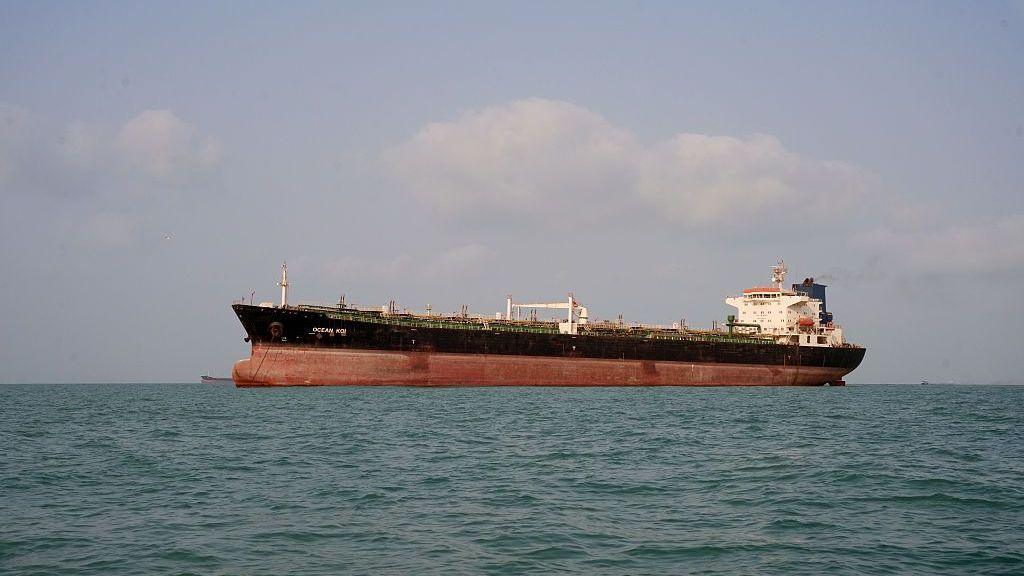
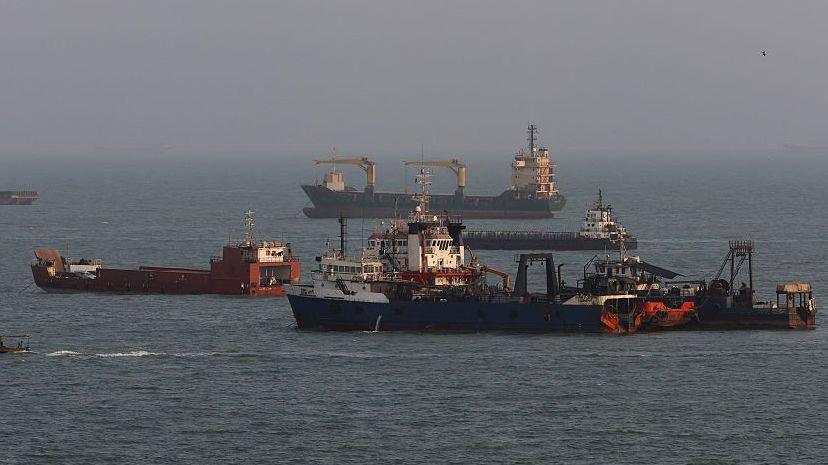
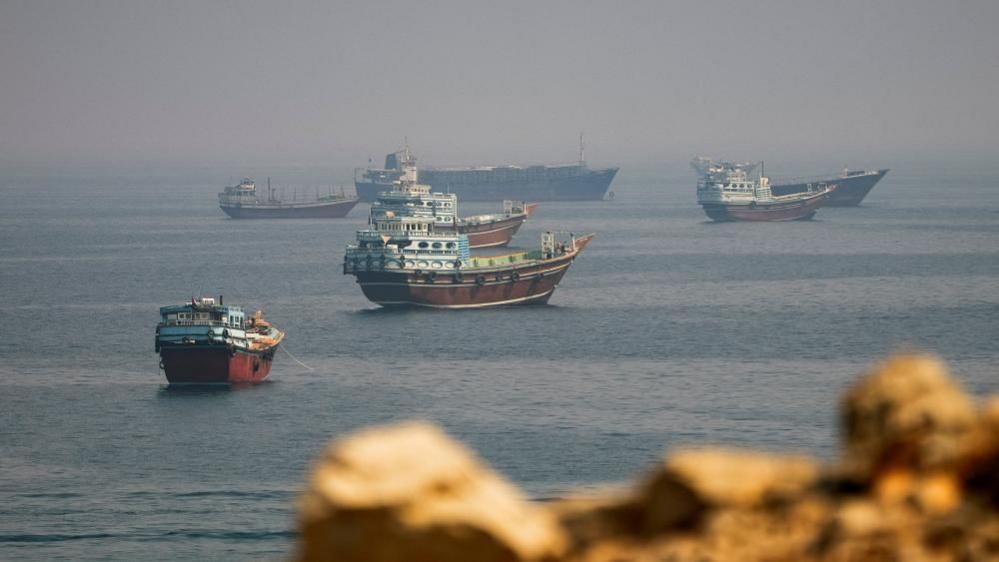
For context, the policy shift follows the first Trump administration’s exit from the 2015 Joint Comprehensive Plan of Action and the now‑deployed Operation Economic Fury—an overlap of fiscal sanctions and a naval blockade that cuts into Iran’s ports. The new campaign aims to “expand the economic blast radius” by confronting not only Tehran, but any nation that releases payments or facilitates shipping for Iranian interests.
According to experts such as Imran Bayoumi from the Atlantic Council, the U.S. is “almost stuck in this war” and this represents a late‑stage attempt to leverage economic power in lieu of direct military strikes. However, the plan still leaves unanswered key questions about the broader strategic objectives and effectiveness of such measures.
Controversial modern trade tactics—shadow vessels, new commercial fronts, and cryptocurrency transactions—are reportedly the chief ways Iran could evade sanctions. “You keep seeing new names popping up,” said Mohammed Hammouda of the London Stock Exchange; “Iran is adapting quickly,” he added, praising the global enforcement teams that track and counter these schemes.
The situation will hinge on the compliance of the U.S. dollar’s global ecosystem. Will allies such as Turkey, Iraq, and even China renew commitments to the U.S.-led embargo, or will they choose pragmatic cooperation with Tehran? The looming possibility of “secondary sanctions” against those that trade with Iran may force them into a dilemma, but their willingness remains uncertain.
At present the U.S. has not revealed the concrete mechanics of the new sanctions package; a detailed briefing is slated for a later press conference. It remains to be seen whether the nuclear‑backed Iranian economy—and its moral resilience—will yield under the growing fiscal weight of the Emergency Delays Doctrine that President Trump calls “economic D‑Day.”
Wildcard: While the campaign signals a promising new approach, its actual payoff will be determined by international acceptance, enforcement capacity, and Iran’s ability to sidestep the block.