Trump, Netanyahu and the Permacrisis of the Middle East
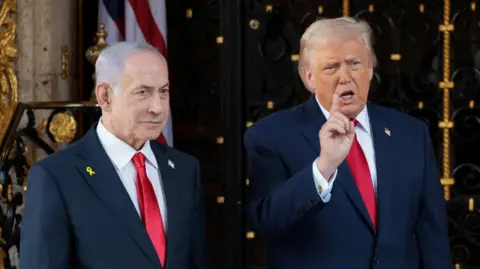
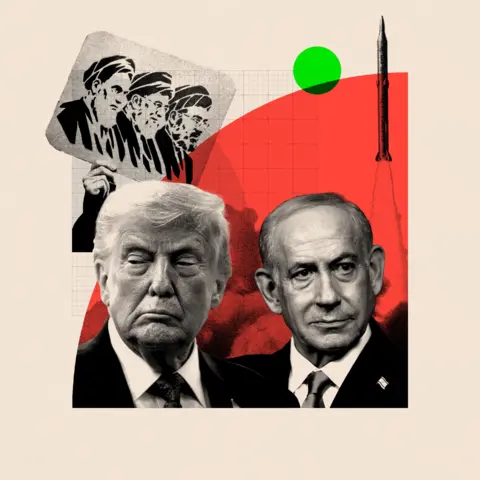
In early 2026, President Trump and Israeli Prime Minister Benjamin Netanyahu positioned themselves at the forefront of a campaign that promised to topple Iran’s regime and reshape the Middle East. The two leaders expected a decisive, brief conflict that would remove Tehran’s destabilising influence and usher in a new era of geopolitical stability.
That expectation proved naïve. Iran’s government remains firmly in power, adept at mobilising its people and shrugging off external pressure. Instead of a monolithic fall, the region is slipping into a long, attritional permacrisis – a conflict that hovers between outright war and uneasy cease‑fires.
The latest flashpoint appeared when Iranian forces shot down a U.S. AH‑64 Apache helicopter near the coast of Tehran on March 28. The incident underscored that Tehran’s regime can still strike U.S. assets and refuses to back down from its strategic objectives, including retaining control over the choke‑point at the Strait of Hormuz.
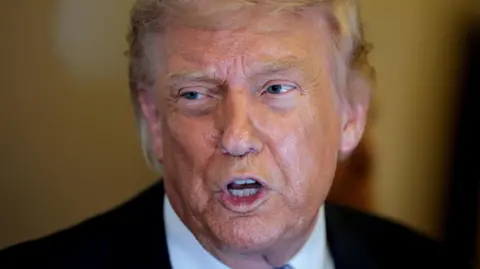
Trump’s regime had banked on an “unhappy war” followed by a diplomatic “deal” over Iran’s uranium stockpile and the Strait’s reopening. Yet the war does not seem to be ending in the way he imagined: the U.S. military takes cautious steps, while diplomatic engagement remains stalled.
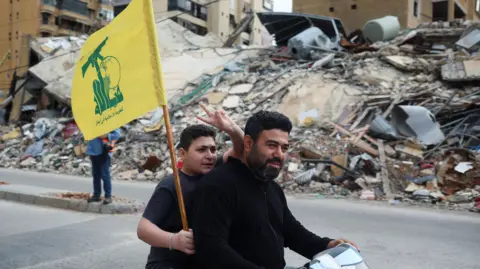
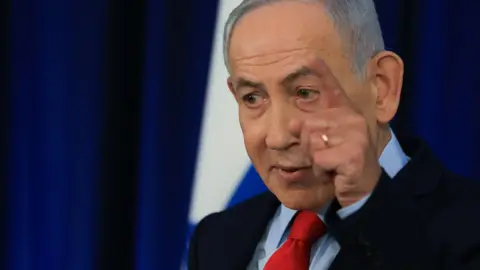
Netanyahu, a lifelong adversary of Iran and its influence over Hezbollah in Lebanon, once demanded that Iran be neutralised as a threat to Israel. He repeatedly criticised Palestinian aggression and sought to strengthen Israel’s security posture through force rather than diplomacy. The idea that war would give way to a secure, prosperous future has not materialised.
The reaction of the Gulf oil‑producing states has been telling. With their economies entwined with the oil market, economies have suffered from war damage to infrastructure and a looming shut‑down of the Strait of Hormuz – a vital waterway that accounts for a significant share of global oil shipments.
With its chokehold on global oil supply, Iran asserts a form of deterrence that exerts pressure on the United States and Israel alike. The regime’s rhetoric—and the press coverage that follows—reinforces the perception that it can coexist with attacks and retaliations without a decisive defeat.
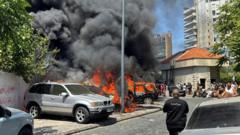
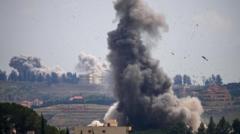
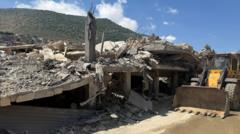
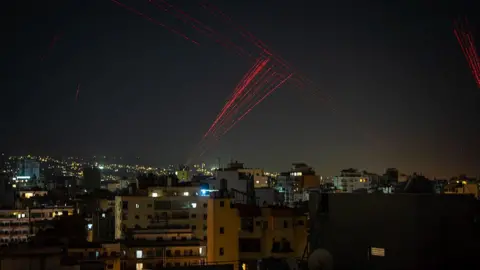
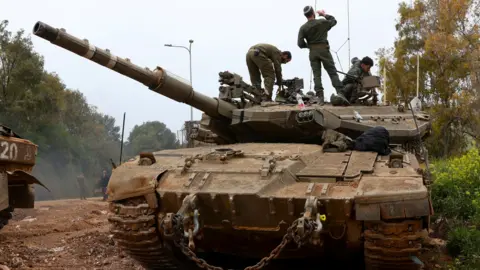
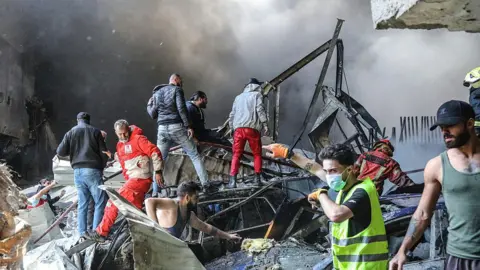
As the U.S. and Israel maintain heavy strikes on southern Lebanon and consider future operations against Tehran’s leadership, the risk of a new military confrontation rises. The closing of the Strait of Hormuz in March triggered warnings from the world’s largest economies about potential disruption to global supply chains.
Without a swift diplomatic breakthrough, the Strait of Hormuz is unlikely to reopen soon. The continuation of local conflict threatens the region’s capacity to sustain global security and economic prosperity, turning an initially predictable reshaping of the Middle East into a protracted, unpredictable crisis.