Israeli Prime Minister Benjamin Netanyahu has ordered his government to begin direct talks with Lebanon, he said in a statement on Thursday. The discussions will focus on the disarmament of Hezbollah, the Iran-backed Lebanese political and militant group, and the establishment of peaceful relations. A US State Department official confirmed it would host a meeting next week to discuss ongoing ceasefire negotiations between Israel and Lebanon.
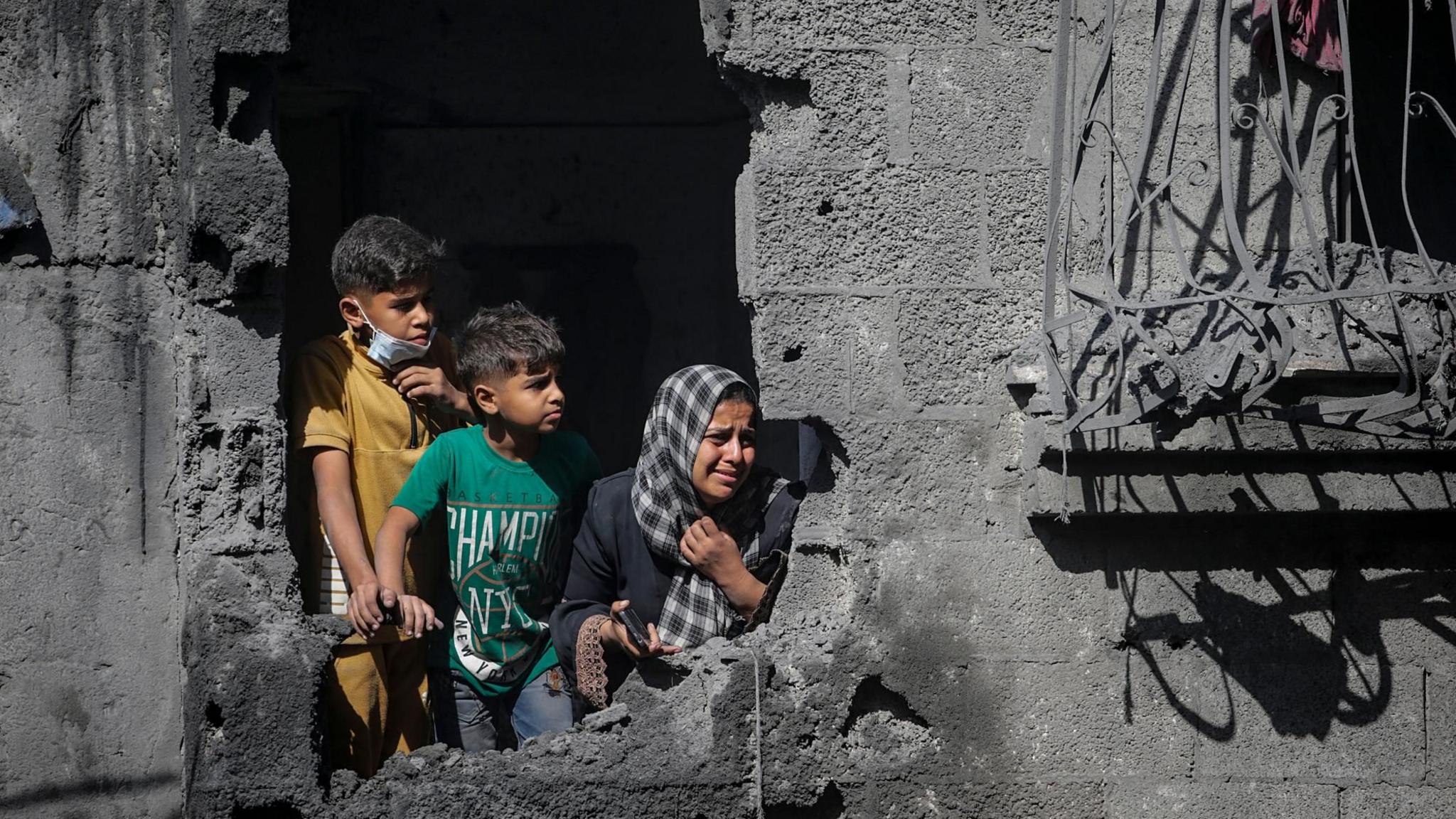
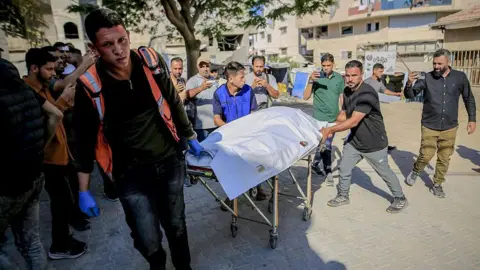
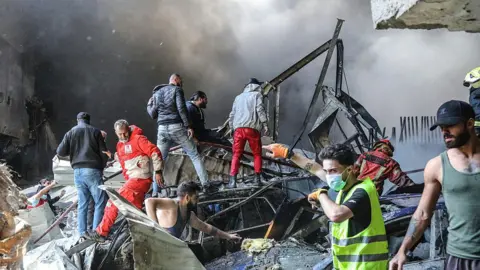
Lebanese officials have called for a ceasefire before the talks begin, but Netanyahu stated: 'There is no ceasefire in Lebanon.' His announcement comes after a major wave of Israeli strikes against Lebanon, reportedly killing 303 people according to Lebanon's health ministry, with 1,150 others wounded. These strikes have raised concerns about the fragile ceasefire between the US, Israel, and Iran.
The ceasefire's details remain ambiguous, particularly concerning whether Lebanon was to be included. Iranian officials accused Israel of violating the ceasefire's terms, threatening retaliation.
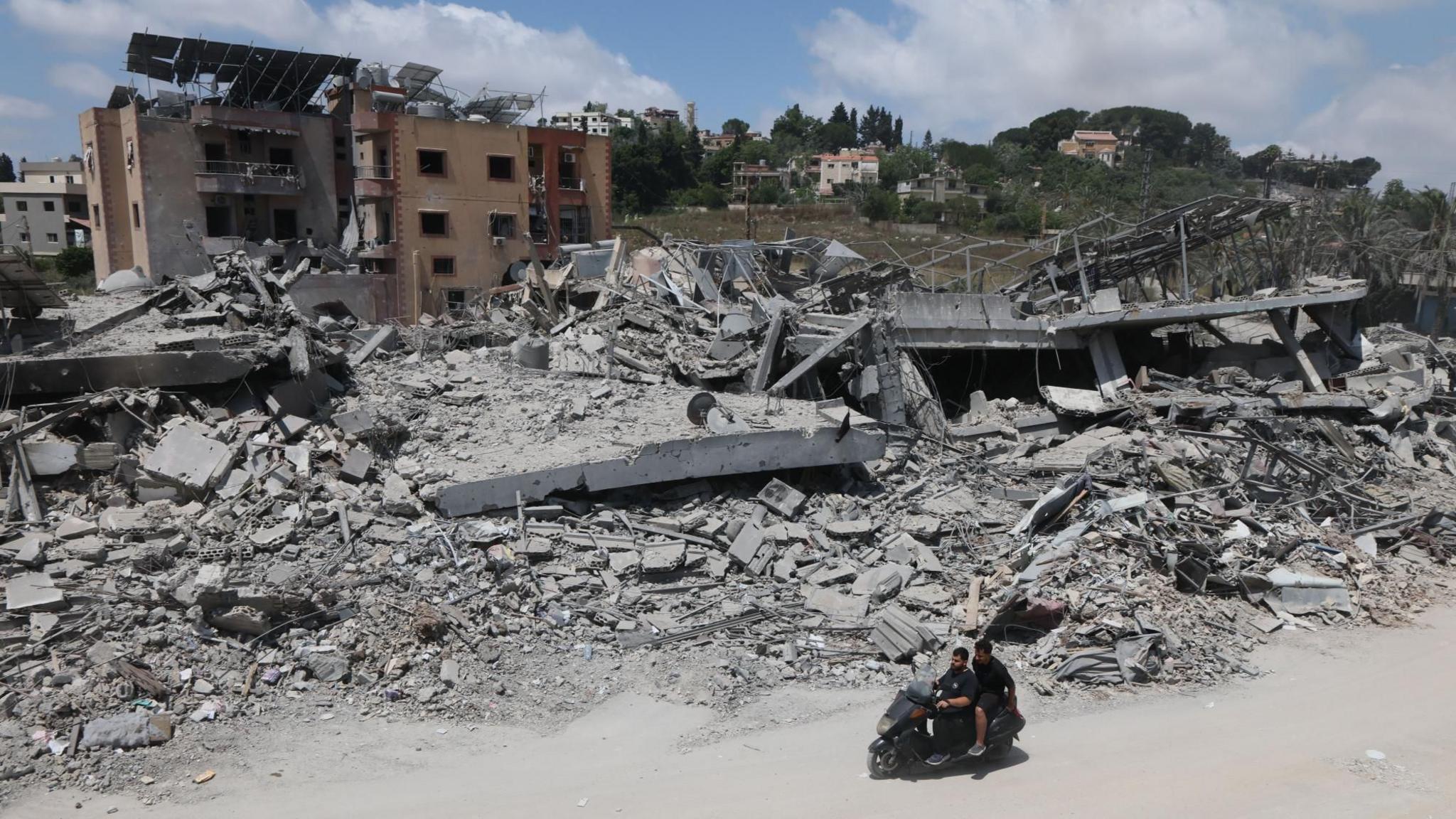
Israel continues military operations in southern Lebanon, where it has reportedly destroyed numerous villages. Questions arise about the effectiveness of potential talks without a temporary ceasefire. Furthermore, there are doubts regarding the Lebanese government's authority over Hezbollah, which operates independently despite having political representation.
The Lebanese cabinet in its recent meeting instructed government security forces to restrict weapons in Beirut to state institutions. Netanyahu's office has expressed appreciation for this initiative, suggesting an interest in disarming Hezbollah and establishing peaceful relations. Direct negotiations are anticipated to kick off next week in Washington.
The situation remains dire; over 1,800 lives have been lost since the conflict's escalation, with a significant number of children among the casualties. According to Israeli estimates, around 1,100 Hezbollah fighters have been killed, and more than 1.2 million people have been displaced in Lebanon.
Lebanese officials have called for a ceasefire before the talks begin, but Netanyahu stated: 'There is no ceasefire in Lebanon.' His announcement comes after a major wave of Israeli strikes against Lebanon, reportedly killing 303 people according to Lebanon's health ministry, with 1,150 others wounded. These strikes have raised concerns about the fragile ceasefire between the US, Israel, and Iran.
The ceasefire's details remain ambiguous, particularly concerning whether Lebanon was to be included. Iranian officials accused Israel of violating the ceasefire's terms, threatening retaliation.
Israel continues military operations in southern Lebanon, where it has reportedly destroyed numerous villages. Questions arise about the effectiveness of potential talks without a temporary ceasefire. Furthermore, there are doubts regarding the Lebanese government's authority over Hezbollah, which operates independently despite having political representation.
The Lebanese cabinet in its recent meeting instructed government security forces to restrict weapons in Beirut to state institutions. Netanyahu's office has expressed appreciation for this initiative, suggesting an interest in disarming Hezbollah and establishing peaceful relations. Direct negotiations are anticipated to kick off next week in Washington.
The situation remains dire; over 1,800 lives have been lost since the conflict's escalation, with a significant number of children among the casualties. According to Israeli estimates, around 1,100 Hezbollah fighters have been killed, and more than 1.2 million people have been displaced in Lebanon.