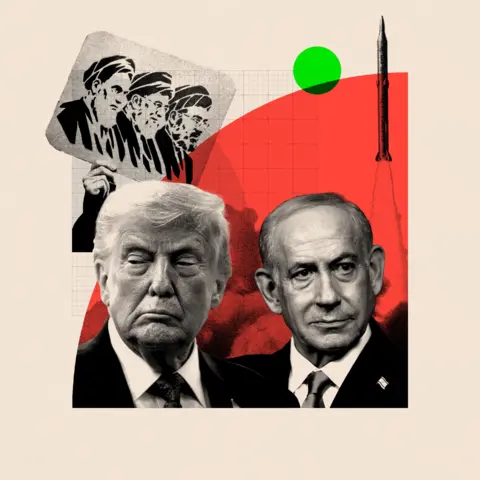
Some old truths about warfare have been knocking on the door of the Oval Office as US President Donald Trump and Israel's Prime Minister Benjamin Netanyahu orchestrate military actions in Iran. The failure to heed historical lessons of conflict has left Trump facing a fork in the road; if negotiations with Iran falter, he risks declaring a hollow victory or further escalating hostilities.
The wisdom of military strategist Helmuth von Moltke the Elder, who famously penned, No plan survives first contact with the enemy, resonates in today's tumultuous geopolitics as Trump exploits a haphazard approach shaped by gut instincts rather than learned strategy.
Throughout the initial days of conflict, it became evident that Trump's unpredictability mirrors not only von Moltke's insights but also those of Dwight D. Eisenhower, who emphasized the importance of planning even if no plan endures the chaos of combat.
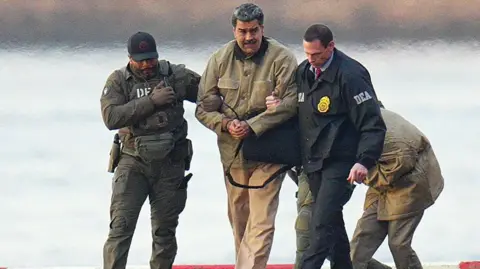
Trump's initial expectations for a quick success reminiscent of the United States' December 2025 operation against Venezuela have proven naïve as Iran's regime showcases resilience in the face of comprehensive bombardment.
The fallout from a drawn-out conflict is poised to ripple through global oil markets and impact international relations, propelling Trump to reconsider his military stance. Iran's counteroffensives, including closing the strategically significant Strait of Hormuz, signal a determination that extends beyond mere survival.
As Trump is left to navigate a conflict now defined by asymmetric warfare, the historical context suggests that without definitive strategies for both inciting and terminating conflict, the United States risks experiencing yet another historical misstep in the Middle East.
In a climate where both victory and prolonged engagement remain elusive, Trump's administration must grapple with the uncertain trajectory of this war as well as the larger implications for American influence in the region.