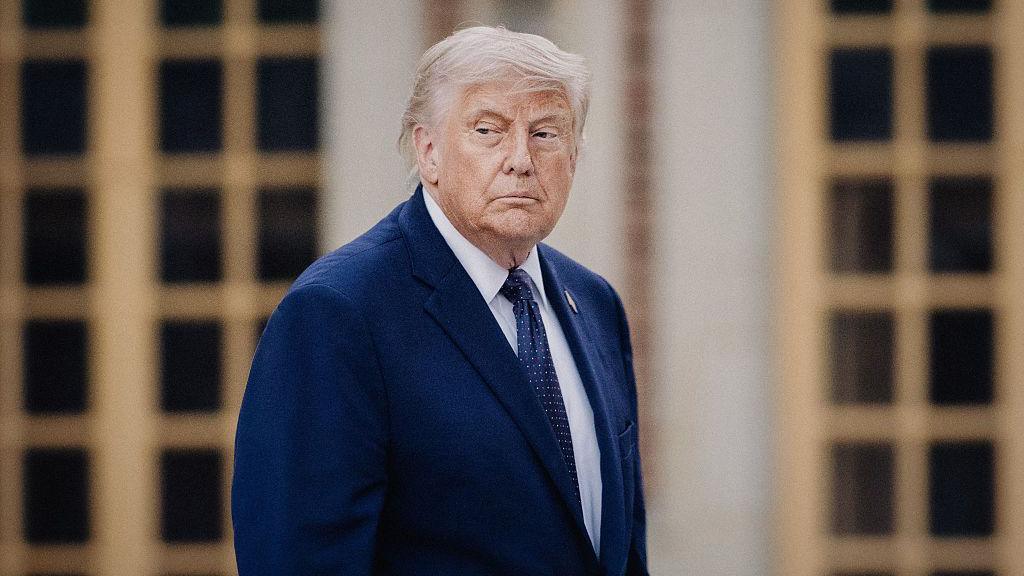
The leaders of Israel and Lebanon have agreed to a 10-day ceasefire starting from 17:00 EST (21:00 GMT; midnight local time), as announced by U.S. President Donald Trump.
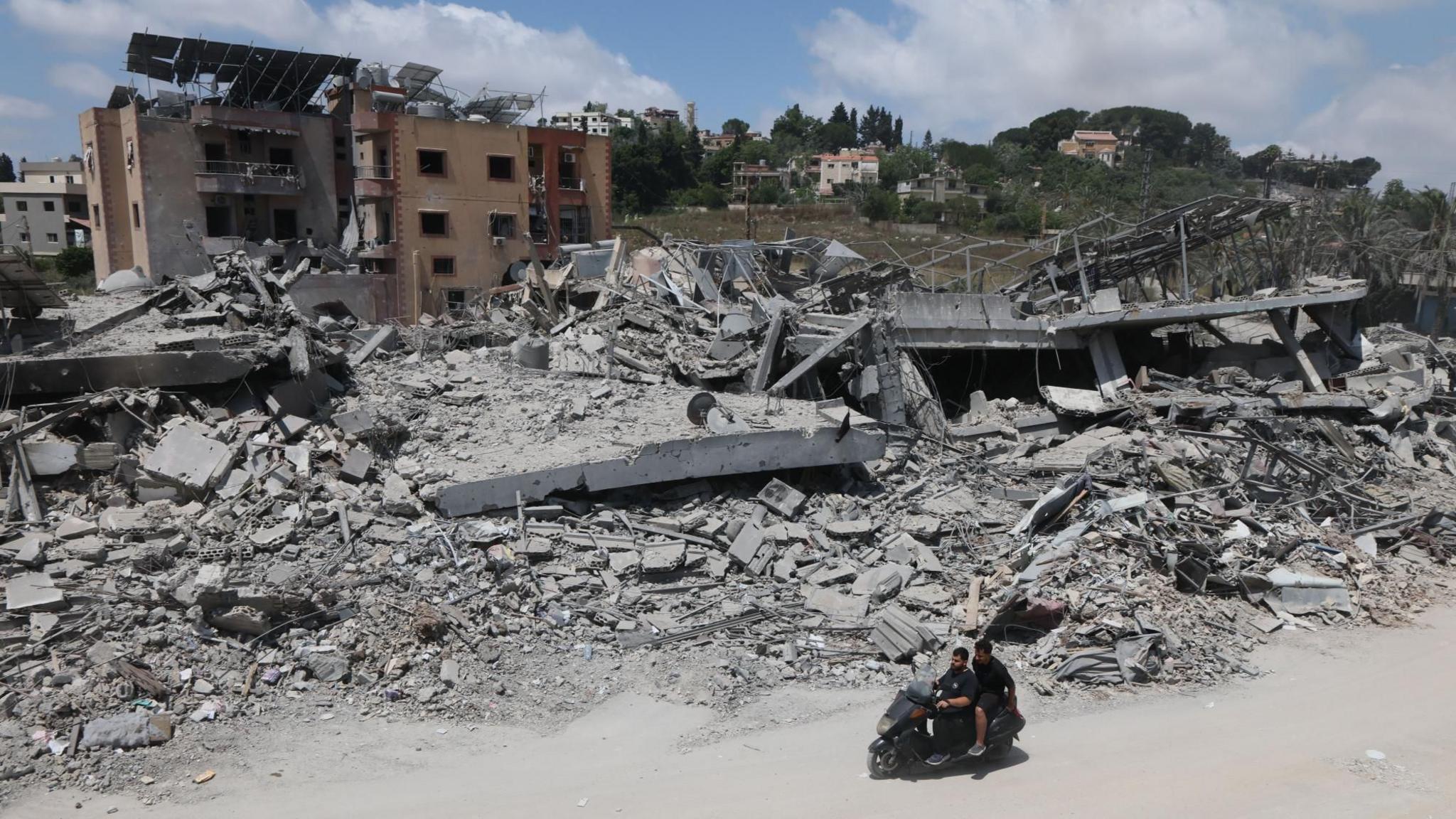
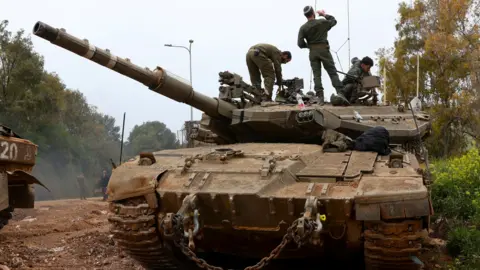
This truce comes after six weeks of intense fighting, especially in southern Lebanon, where Israeli forces have been engaged in combat against Hezbollah, an Iran-backed militant group.
Israeli Prime Minister Benjamin Netanyahu confirmed his country's participation but emphasized the need for Israeli troops to maintain a 'security zone' 10 kilometers deep into southern Lebanon, stating, 'We are there, and we are not leaving.'
Conversely, Hezbollah has indicated its willingness to partake in the ceasefire, contingent upon a complete halt of all attacks across Lebanese territory and restrictions on Israeli military movements.
The recent escalation of violence began on March 2, following a U.S.-Israeli attack on Iranian targets that prompted Hezbollah to counter with rocket fire into northern Israel. The group cited retaliation for the assassination of Iran's Supreme Leader Ayatollah Ali Khamenei as justification for its actions.
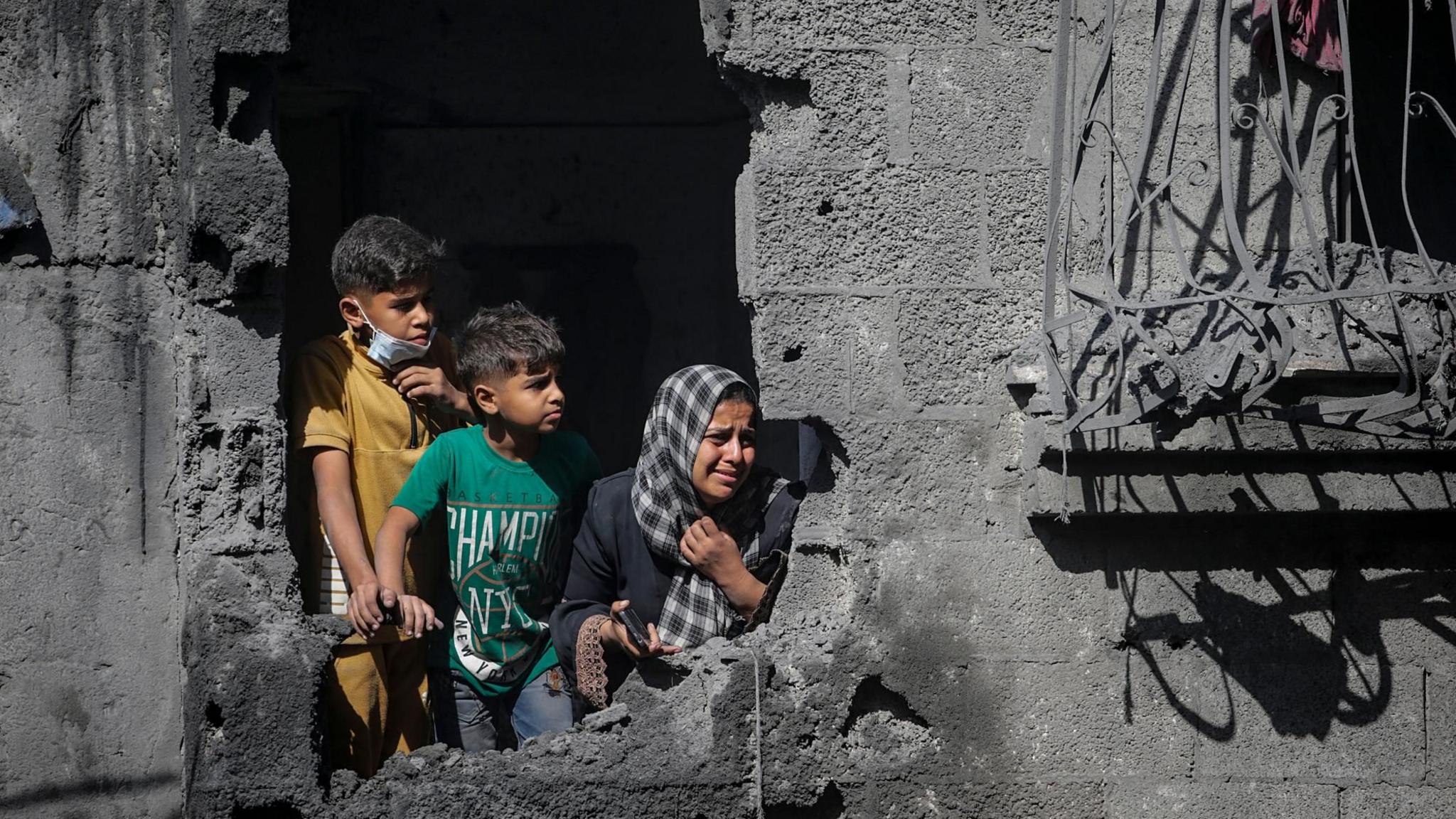
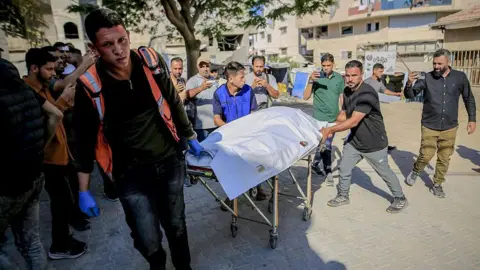
Current estimates indicate over 2,000 fatalities in Lebanon as a result of the ongoing war, with significant destruction displacing approximately one million people. In Israel, Hezbollah's attacks have resulted in the deaths of two civilians and 13 soldiers in combat.
The U.S. has intervened by hosting direct talks in Washington, aiming to manage the crises and facilitate dialogue. Trump announced plans to invite Netanyahu and Lebanese President Joseph Aoun to further discussions, a move highlighting the gravity and significance of these negotiations, the first of their kind since the Lebanese Civil War in 1983.
While the ceasefire is a hopeful step towards peace, core issues regarding Hezbollah's weaponry and military capabilities remain unresolved, making the path ahead uncertain. Both parties recognize that genuine dialogue, rather than force, is necessary to address the disarmament of Hezbollah.
With previous ceasefires failing amidst cross-border tensions, the international community watches closely as Israel and Lebanon navigate this latest opportunity for peace.