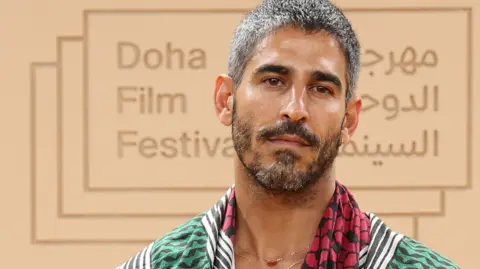
Ahmed Shihab-Eldin, an American-Kuwaiti journalist, who was detained in Kuwait for more than a month following his reposting of media regarding the ongoing US-Israeli conflict, has been acquitted of all charges against him according to his legal team. Shihab-Eldin was initially accused of spreading false information and compromising national security through the sharing of verified videos and images. His case has drawn attention globally, particularly from organizations advocating for press freedom.
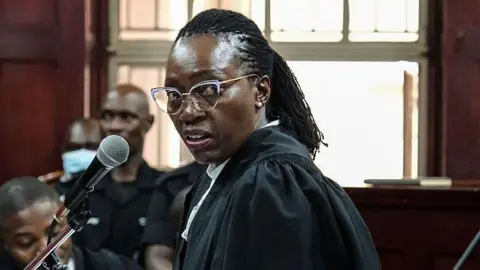
Barrister Caoilfhionn Gallagher, representing Shihab-Eldin, announced that the verdict was delivered on Thursday, confirming the journalist's innocence after 52 days of detention. Gallagher expressed relief over the ruling and pledged to ensure Shihab-Eldin's liberty and safety moving forward.
The Kuwaiti authorities have remained silent on the matter, though they have previously detained numerous individuals for sharing content related to recent Iranian military actions. These recent detentions are part of a broader regional trend in which several Gulf states are cracking down on the dissemination of perceived sensitive information.
Jodie Ginsberg, CEO of the Committee to Protect Journalists, praised the acquittal as a victory while reiterating the need for vigilance concerning journalists’ rights in the Gulf region. In a commentary reflecting on the implications of Shihab-Eldin's case, she stated, Ahmed's freedom and safety remain our topmost priority and we will continue to closely monitor his case.
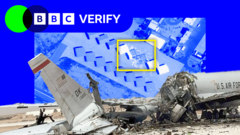
Shihab-Eldin, who has contributed to major outlets such as the BBC and Al Jazeera, was reported missing before his arrest on 2 March after posting content regarding a US fighter jet incident in Kuwait. His charges stemmed from sharing content that had already been confirmed by significant media outlets, posing serious questions about the limits of press freedom within Kuwait.
As Kuwait continues to grapple with issues surrounding military-related information and press freedoms, the legal framework has intensified against individuals disseminating news that could affect national security, spotlighting the challenges faced by journalists in expressing their rights.
Barrister Caoilfhionn Gallagher, representing Shihab-Eldin, announced that the verdict was delivered on Thursday, confirming the journalist's innocence after 52 days of detention. Gallagher expressed relief over the ruling and pledged to ensure Shihab-Eldin's liberty and safety moving forward.
The Kuwaiti authorities have remained silent on the matter, though they have previously detained numerous individuals for sharing content related to recent Iranian military actions. These recent detentions are part of a broader regional trend in which several Gulf states are cracking down on the dissemination of perceived sensitive information.
Jodie Ginsberg, CEO of the Committee to Protect Journalists, praised the acquittal as a victory while reiterating the need for vigilance concerning journalists’ rights in the Gulf region. In a commentary reflecting on the implications of Shihab-Eldin's case, she stated, Ahmed's freedom and safety remain our topmost priority and we will continue to closely monitor his case.
Shihab-Eldin, who has contributed to major outlets such as the BBC and Al Jazeera, was reported missing before his arrest on 2 March after posting content regarding a US fighter jet incident in Kuwait. His charges stemmed from sharing content that had already been confirmed by significant media outlets, posing serious questions about the limits of press freedom within Kuwait.
As Kuwait continues to grapple with issues surrounding military-related information and press freedoms, the legal framework has intensified against individuals disseminating news that could affect national security, spotlighting the challenges faced by journalists in expressing their rights.